
5 Different Types of Aluminium Windows for Homes: A Buyer’s Guide for 2026
March 12, 2026
Windows do more than just cover an opening in the wall. They bring in natural light, allow fresh air to flow, and influence how open or comfortable a room feels. Choosing the right window style makes a noticeable difference in how a home functions every day.
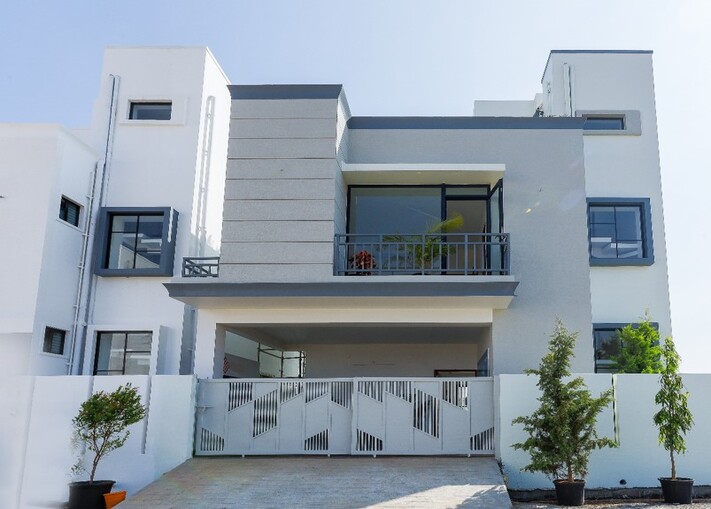
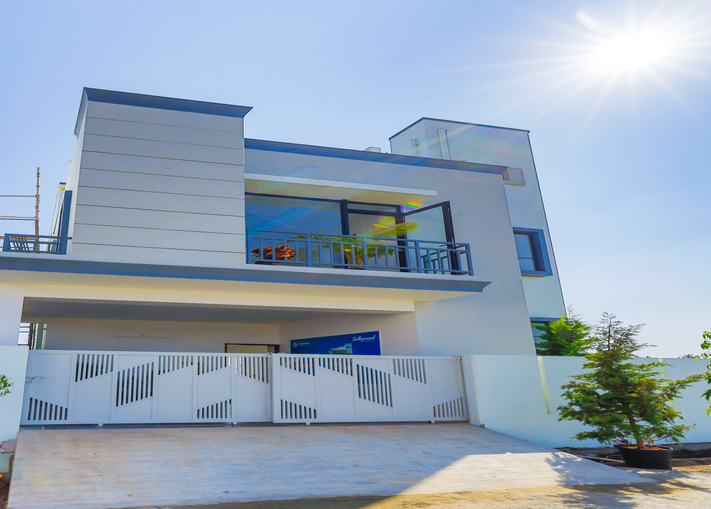
This is why many homeowners today prefer aluminium windows for home designs. Aluminium frames are strong, slim, and durable, which allows larger glass panels and cleaner-looking window designs. They also suit both modern apartments and independent houses.
In this guide, we will look at 5 types of aluminium windows commonly used in homes and how each one fits different spaces.
Why Should You Choose Aluminium Windows?
Windows affect how a home feels every day. They control natural light, ventilation, and even how modern a space looks. This is why many homeowners today prefer aluminium windows for home designs.
Strong and reliable
Aluminium frames stay stable in heat, rain, and humidity, which makes them suitable for Indian weather conditions.
Slim frames
Aluminium is strong yet lightweight. This allows narrow frames that hold larger glass panels, helping rooms feel brighter and more open.
Easy to maintain
Aluminium windows do not require frequent repainting or polishing. Occasional cleaning is usually enough.
Modern design flexibility
Aluminium can be used to create a range of window styles, making it easier to match both contemporary and luxury home designs.
Because of these advantages, many homeowners now prefer premium aluminium windows when planning new homes or renovations.
5 Different Types of Aluminium Windows For Homes
Different spaces in a home require different window designs. Some rooms need better airflow, while others benefit more from natural light or clear views.
Below are 5 commonly used aluminium window types that suit most residential layouts:
1. Casement Windows
Casement windows are one of the most practical window options for homes. These windows are attached to the frame with hinges on one side and open outward or inward like a door.
One major advantage of casement windows is ventilation. When fully opened, they allow fresh air to enter the room easily. This makes them suitable for bedrooms, living rooms, and study areas where good airflow improves comfort.
Casement windows also provide relatively clear views because they typically consist of a single glass panel without sliding tracks. When closed, they form a tight seal that helps prevent dust and rain from entering the room.
Because of their simple design and reliable functionality, casement windows are often included in many premium aluminium window systems used in residential projects.
2. Fixed Window
Fixed windows serve a different purpose compared to other window styles. These windows remain permanently closed and are designed mainly to allow natural light and outdoor views.
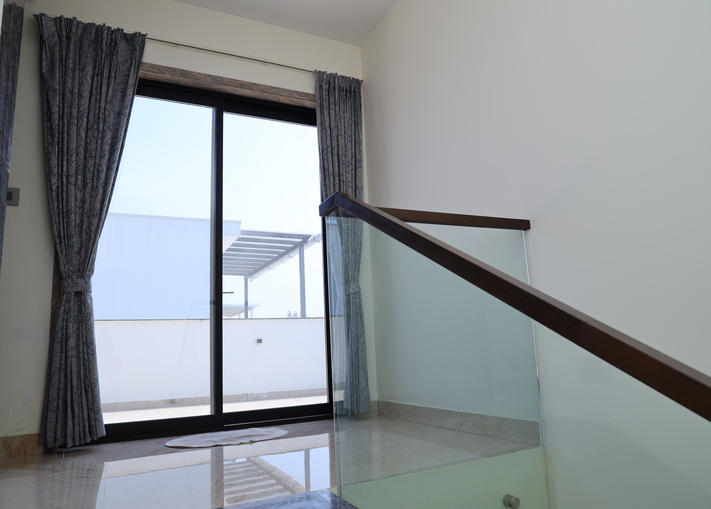
Architects often use fixed windows in areas where ventilation is not necessary. Staircases, hallways, and double-height living rooms commonly feature fixed glass panels to bring in more daylight.
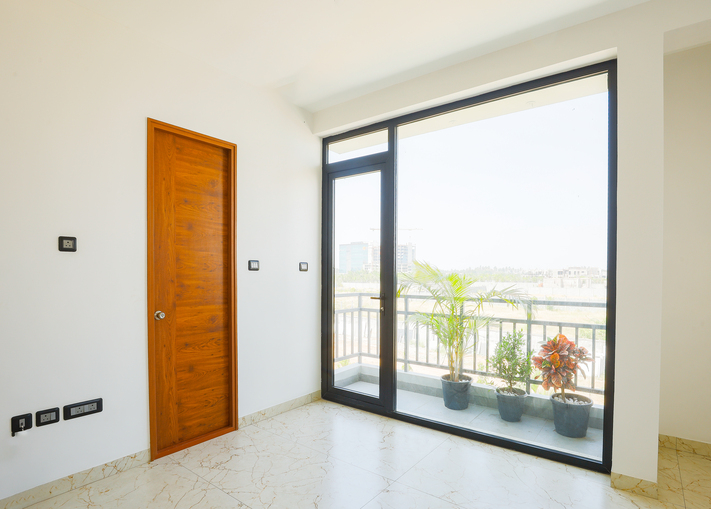
Large fixed windows can also visually connect indoor spaces with outdoor surroundings. When installed strategically, they make rooms feel brighter and more open.
Since fixed windows do not include moving components, they require minimal maintenance and remain structurally stable over long periods.
Many modern homes combine fixed windows with other window types to create larger glass arrangements that balance light and ventilation.
3. Sliding Windows
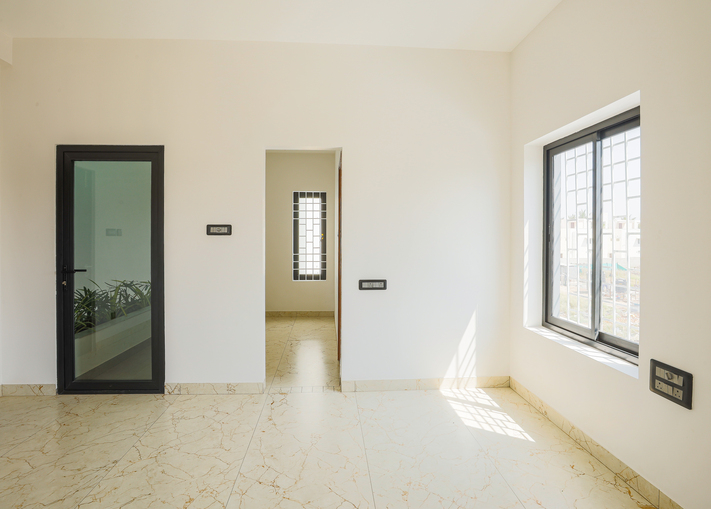
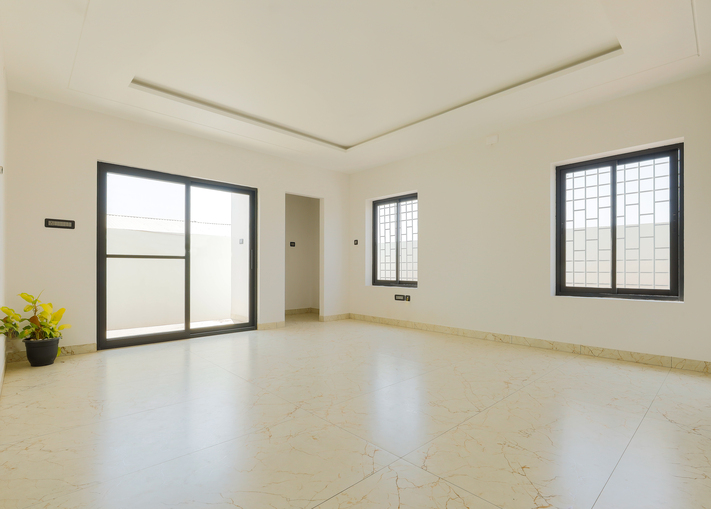
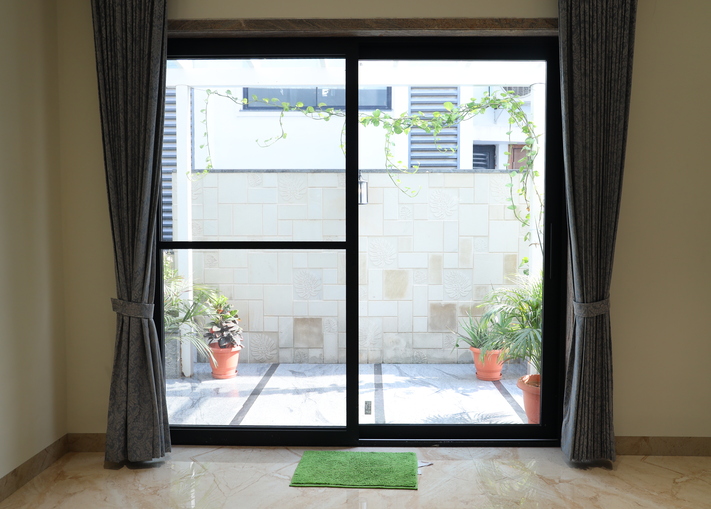
Sliding windows are among the most widely used aluminium window styles in Indian homes. These windows operate on tracks, where one or more panels slide horizontally.
The biggest advantage of sliding windows is their space-saving design. Since the panels move sideways instead of opening outward or inward, they do not require additional clearance. This makes them suitable for bedrooms, kitchens, and compact apartments.
Sliding windows also provide smooth operation and allow larger glass panels, which help bring more natural light into the room.
Because of their convenience and minimal appearance, sliding systems remain a popular option for homeowners looking for aluminium windows for home designs that are practical yet modern.
4. Ventilator Windows
Ventilators are smaller window units designed mainly to improve airflow in certain parts of the home.
Areas like bathrooms, kitchens, and utility rooms require constant ventilation to remove moisture and odours. Ventilators allow air circulation without needing a full-sized window.
These windows are usually installed higher on walls to maintain privacy while still allowing airflow. Aluminium works particularly well for ventilators because it resists corrosion caused by humidity.
Although ventilators are compact, they play an important role in maintaining healthy indoor air quality.
5. Tilt and Turn Windows
Tilt and turn windows are gaining attention in modern homes because they offer two opening modes in one system.
In the tilt position, the top part of the window tilts inward slightly. This allows fresh air to enter while maintaining safety and security. Many homeowners use this setting for controlled ventilation.
In the turn position, the window opens fully like a standard casement window. This allows maximum airflow and also makes cleaning the glass easier.
Tilt and turn windows are often used in high-rise apartments and luxury homes where homeowners want flexible ventilation options.
Because of their advanced mechanism and performance, these systems are commonly included in premium aluminium windows offered by some of the best aluminium window brands in India.
Comparison Table: Overview of the Types of Aluminium Windows
| Window Type | Opening Style | Main Advantage | Suitable Areas |
| Casement | Hinged on the side | Strong ventilation | Bedrooms, living rooms |
| Fixed | Non-opening | Maximised natural light | Staircases, facades |
| Sliding | Horizontal movement | Space-saving design | Bedrooms, kitchens |
| Ventilator | Small opening panel | Continuous airflow | Bathrooms, utility areas |
| Tilt and Turn | Dual opening mechanism | Flexible ventilation | Apartments, premium homes |
Each type serves a different function, and many homes combine two or more styles to achieve the right balance between light, ventilation, and aesthetics.
Factors to Consider Before Choosing Aluminium Windows
Before finalising window designs, homeowners should evaluate a few practical factors. These considerations help ensure the windows work well for the long term.
1. Room Function
Different rooms require different window features. Living areas usually need larger openings for light, while bathrooms and kitchens require better ventilation.
2. Ventilation Needs
Consider how much airflow each space requires. Bedrooms and living rooms benefit from windows that open fully, while hallways may only require fixed panels.
3. Available Wall Space
Some window types need additional clearance to open. Sliding windows often work better in compact spaces where furniture placement limits movement.
4. Frame and Glass Quality
High-quality aluminium profiles and durable glass systems improve insulation, strength, and overall performance.
5. Weather Conditions
Choose window systems that handle local climate conditions such as heavy rain, dust, and strong sunlight.
6. Long-Term Value
While initial cost matters, durability and maintenance requirements should also influence the decision.
Tips to Choose the Right Type of Aluminium Windows for Every Luxury Space
Selecting window styles based on how each space functions can significantly improve comfort and visual appeal.
1. Use larger windows in living areas
Sliding or fixed windows work well in living rooms where natural light and outdoor views enhance the space.
2. Choose ventilated windows for bedrooms
Casement or tilt-and-turn windows allow better airflow and help maintain a comfortable indoor environment.
3. Install ventilators in moisture-prone areas
Bathrooms and kitchens benefit from ventilators that allow continuous airflow and reduce humidity.
4. Balance privacy with natural light
In spaces facing neighbouring buildings, consider window placements that maintain privacy while still allowing daylight.
5. Opt for durable finishes
Powder-coated aluminium frames resist corrosion and maintain their appearance for years.
6. Consult professionals before final installation
Experts can recommend the right window configurations based on structural layout and ventilation requirements.
Final Thoughts
Windows play a key role in how a home looks and feels. They influence natural light, ventilation, and the overall design of a space. This is why many homeowners today prefer aluminium windows for home designs that combine functionality with modern aesthetics.
Aluminium windows are durable, sleek, and easy to maintain. From sliding systems for compact rooms to tilt-and-turn styles for premium spaces, each type serves a different purpose while keeping the design clean and contemporary. Many of the best aluminium window brands in India now offer advanced systems that focus on performance, durability, and refined design.
If you are looking to upgrade to premium aluminium windows, explore the modern window systems from Alteza, designed to bring durability, elegance, and long-term comfort to urban homes.
FAQ’s
Q1. Which aluminium window type is best for small spaces?
A. Sliding windows usually work best in smaller spaces because they do not require extra clearance to open.
Q2. Are aluminium windows suitable for Indian weather conditions?
A. Aluminium frames handle heat, rain, humidity, and dust well, making them suitable for different climates across India.
Q3. How long do aluminium windows typically last?
A. With proper installation and basic maintenance, aluminium windows can last 30–40 years.
- Aluminium Lift and Slide Doors: Key Benefits for Modern Homes

- Bathroom Aluminium Sliding Doors: Design Considerations for Moisture and Space Control
- 5 Different Types of Aluminium Windows for Homes: A Buyer’s Guide for 2026
- Planning Aluminium Windows and Doors at the Design Stage: What Most Homes Miss
- What Makes Premium Aluminium Door Systems Different from Standard Options?
Related Posts
Modern building design with aluminium windows & doors
Modern design effortlessly blends high precision engineering that delivers unmatched function and performance with sleek, contemporary architecture that is pleasing to the eye. Better design...
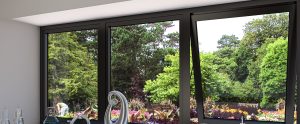
Enhancing Natural Light in Your Home with Aluminium Windows and Doors
Natural light plays a vital role in our day-to-day life. Its presence can brighten our day and add greatly to our home’s look and feel....
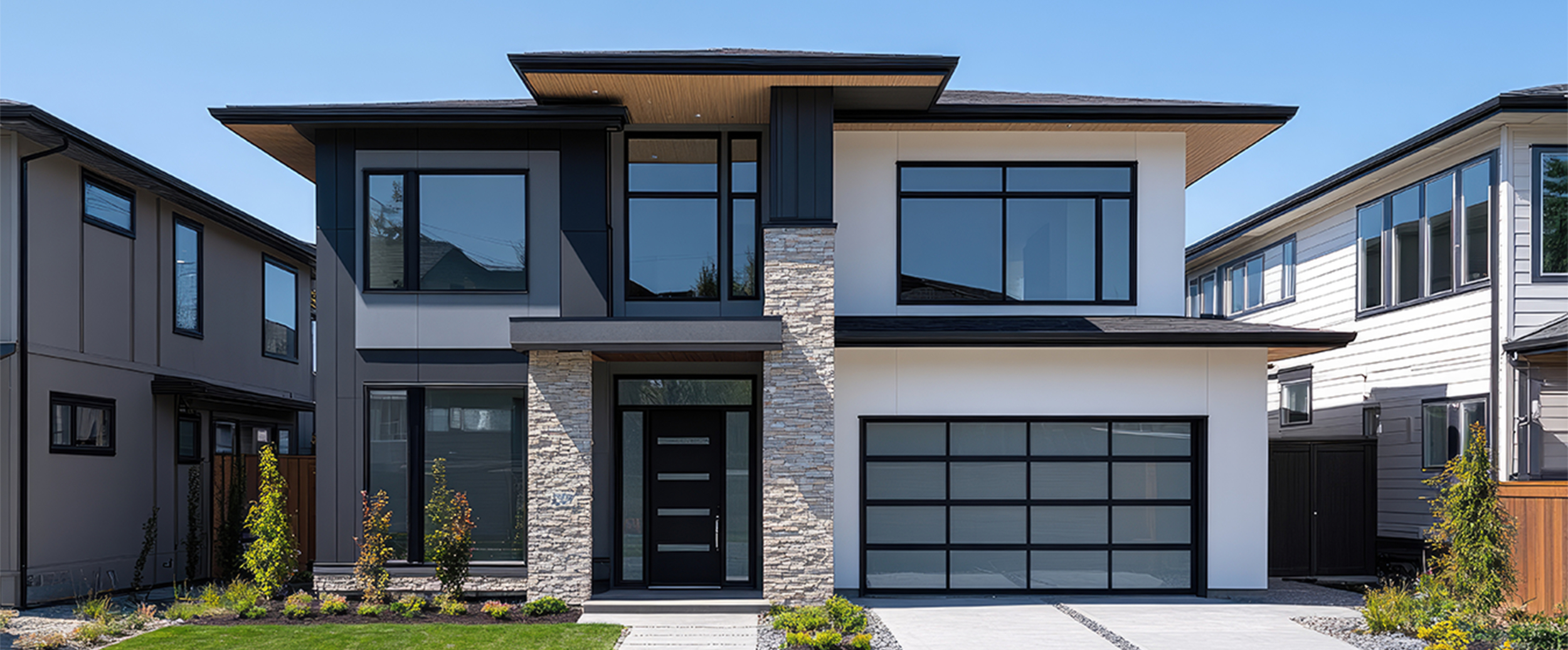
Top 10 Aluminium Door Designs for Modern Indian Homes
Discover the top Aluminium Door Designs for modern Indian homes. Explore stylish, durable, and low-maintenance doors perfect for balconies, bathrooms, and entrances.
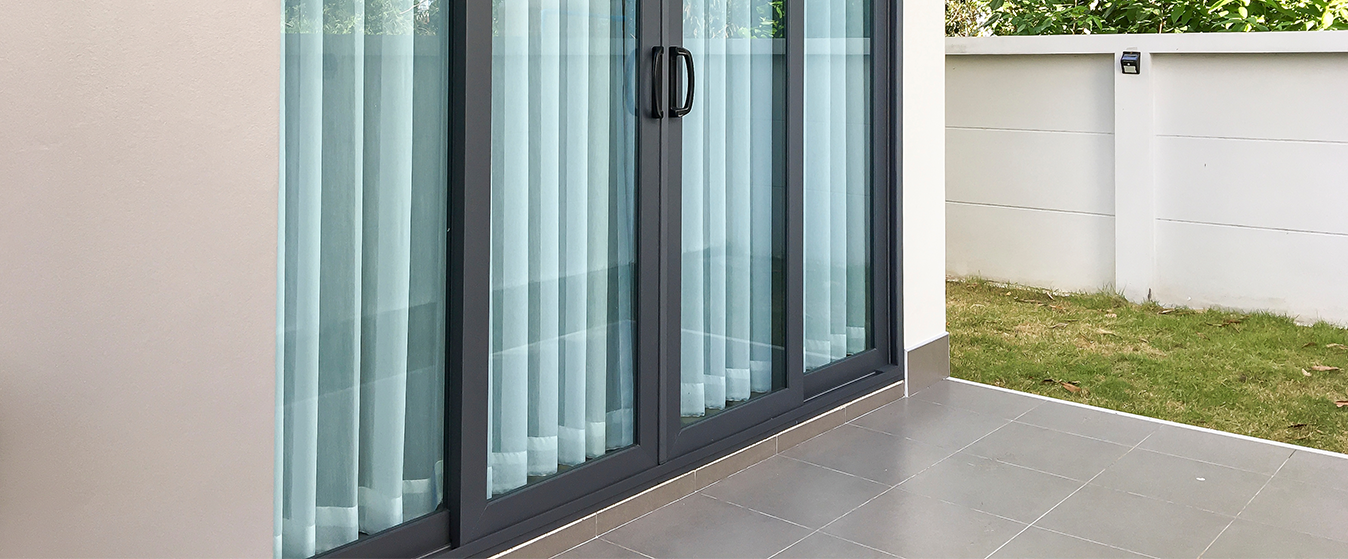
Mistakes that people make when buying aluminum doors
Aluminum doors are a popular choice due to their durability, and impressive aesthetics. However, buyers should be wary of certain mistakes when purchasing them. Here,...

Why coloured aluminium windows and doors are catching on
Whether you are building a new space or renovating an old one, colours can play an incredible role in transforming the visual appeal of a...
A Comprehensive Guide to Choosing the Right Type of Aluminium Door for Your Home
A decade back, there weren’t many options for aluminium doors in the market. That situation has changed now and the market currently offers a wide...