
Aluminium Window Design: How to Choose the Right Style, Profile, and Glass for Every Room
May 12, 2026
A house can tick every box on paper and still feel slightly off once you start living in it. The sunlight feels too harsh in the afternoon. The kitchen traps heat longer than it should. The bedroom never quite blocks the traffic noise outside. These are not design flaws in the traditional sense; they often come down to window choices made too early or too quickly.
Windows shape how a home behaves through the day. They decide how light enters, how air moves, and how much of the outside world stays outside. Yet, most homes follow a predictable pattern: one window style repeated everywhere for the sake of uniformity. It looks consistent, but it rarely works well.
A better approach begins with understanding how each room functions. The right aluminium window design is not about picking what looks modern. It is about matching the right style, frame, and glass to the needs of that space. Once that alignment is in place, comfort improves naturally.
What Defines a Good Aluminium Window Design?
A window may look minimal and well-finished, but performance depends on what sits beneath that surface. Three elements quietly shape the outcome.
Window Style
This is where functionality begins. A sliding window moves horizontally and saves space, making it practical near furniture or compact layouts. A casement window opens outward or inward, allowing better airflow when needed. Tilt-and-turn designs add flexibility, especially in urban apartments. Fixed windows do not open at all, but they create wide, uninterrupted views.
Each style brings a different experience. Some prioritise ventilation. Others focus on openness. The right choice depends on how the room is used, not just how it looks.
Aluminium Profile
The profile is the frame that holds everything together. A well-made aluminium frame stays stable through heat, rain, and time. Slim profiles have become popular for a reason as they maximise glass without compromising strength.
Good profiles also seal better. That affects how much noise enters, how well dust is kept out, and how efficiently the window performs across seasons.
Glass
Glass often ends up as an afterthought, but it shouldn’t. It controls heat, noise, and light more than most people realise. Double glazing improves insulation. Low-E coatings help manage heat gain. Laminated glass adds safety and reduces sound transmission.
When these three elements work together, the window stops being just a design feature. It starts improving how the space feels.
Why Aluminium Windows Work Well for Modern Homes?
Materials react differently under Indian conditions. Heat, humidity, and heavy rainfall don’t leave much room for compromise.
Aluminium windows handle this environment with ease. They don’t swell during monsoons or crack under summer heat. That reliability matters over time.
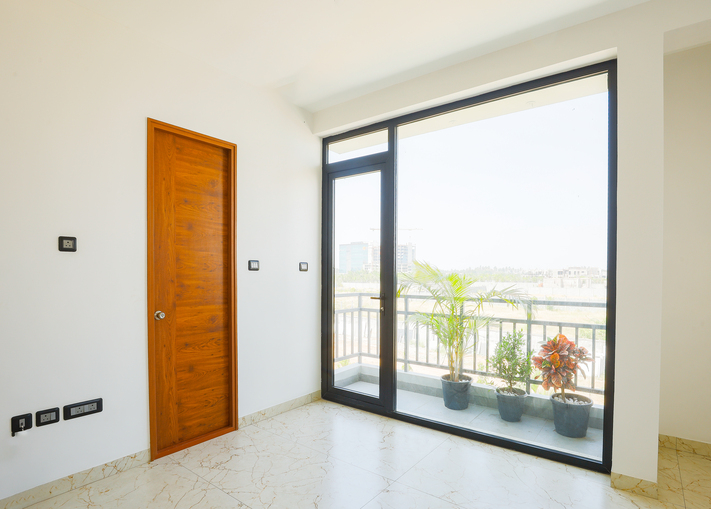
There is also a clear design advantage. Aluminium can support larger glass panels without bulky framing, which means more daylight and cleaner lines. That’s why so many modern aluminium window design concepts lean in this direction. More glass and fewer interruptions.
Flexibility adds to the appeal. Different styles, like sliding, casement, and tilt-and-turn, can sit within the same system. So, you can adapt functionality room by room without losing the overall look.
Key Factors to Consider Before Choosing Windows for Any Room
Before locking in a design, it helps to step back and think about how each room is used throughout the day:
- Light needs to change from one room to another
- Ventilation requirements aren’t the same everywhere
- Privacy should be planned, not adjusted later
- Noise and heat control depend largely on glass
- Room layout influences which window style will actually work
- Daily use and cleaning often get overlooked
Getting these basics right makes the rest of the decisions easier.
Quick Technical Comparison: Window Requirements by Room
Each room asks for something slightly different. A quick comparison helps bring that into focus.
| Room Type | Light Requirement | Ventilation Need | Privacy Level | Recommended Styles | Glass Type |
| Living Room | High | Moderate | Low | Sliding, Fixed, Combination | Double-glazed & Low-E |
| Bedroom | Medium | Controlled | High | Casement, Tilt-and-Turn, Sliding | Double-glazed & Acoustic |
| Kitchen | Medium-High | High | Medium | Sliding, Casement, Tilt | Toughened, Laminated |
Living Room Windows: Designing for Openness and Light
The living room carries a certain expectation. It should feel open, easy, and connected to the outside. Window design shapes that experience more than anything else.
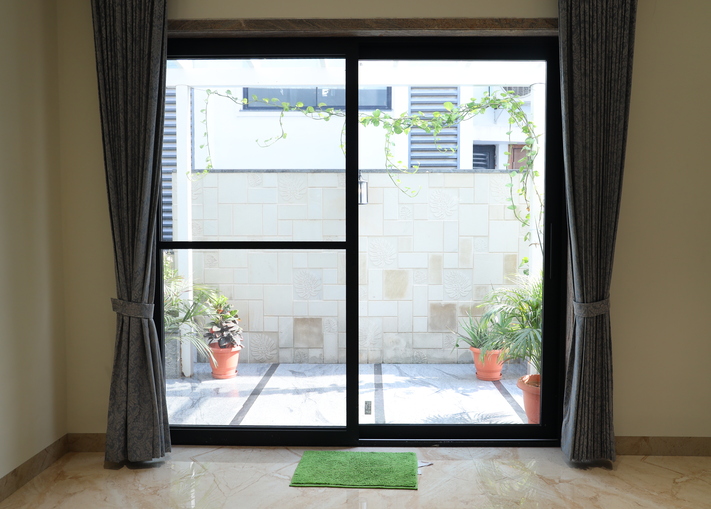
Sliding windows are often the go-to here. They open smoothly, don’t take up extra space, and allow wider glass panels. Fixed windows take it a step further by removing movement altogether and focusing entirely on the view. Combine the two, and you get flexibility without losing openness.
Larger formats work particularly well in living rooms. They expand the visual field and make the space feel more generous, especially when there’s a view to frame.
Profiles need attention here. Slim aluminium frames keep the focus on the glass. Heavy frames break that flow.
Glass choice matters just as much. Large openings can bring in heat along with light. Double glazing helps manage temperature. Low-E glass reduces glare. In noisier areas, acoustic glass creates a calmer indoor environment.
A well-planned modern aluminium window design in the living room balances openness with comfort.
Bedroom Windows: Designing for Comfort, Privacy, and Quiet
Bedrooms follow a different rhythm altogether. They’re meant to feel calm, not open all the time.
Casement windows allow you to control airflow without exposing the entire room.
Tilt-and-turn designs offer flexibility, which is useful in apartments. Sliding windows fit in where space is tight, though they need good sealing to perform well.
The profile should close tightly. Even small gaps can let in noise and affect temperature.
Glass becomes especially important here. Double glazing keeps temperatures stable through the night. Acoustic glass helps block outside noise. Frosted or tinted glass can add privacy where needed.
The goal is to create a space that feels quiet and comfortable without overcomplicating things.
Kitchen Windows: Designing for Ventilation and Durability
Kitchens are all about function. Heat, moisture, and frequent use make them demanding spaces.
Sliding windows work well in compact kitchens. They’re easy to operate and don’t interfere with counters. Casement windows suit larger spaces where you need maximum airflow. Tilt windows offer a practical middle ground.
The aluminium profile should resist moisture and be easy to maintain. Hardware quality matters too, since these windows see regular use.
Glass needs to be tough. Toughened glass improves safety. Laminated glass adds durability and holds together even if damaged. Cleaning should stay simple.
In kitchens, a practical aluminium window design for home matters more than anything decorative.
How Window Size and Placement Affect Performance?
Size changes how a room feels. A larger window can open up a space, but too much glass in the wrong spot can bring in unwanted heat or glare.
Placement makes a difference as well. Good positioning improves airflow. In kitchens, it helps remove heat faster. In bedrooms, it allows light without direct exposure during peak hours.
Small adjustments here can improve performance without changing the overall design.
Common Mistakes to Avoid When Choosing Aluminium Windows
- Using a one-window design across the entire home
- Not accounting for ventilation where it’s needed most
- Ignoring the role of glass in comfort
- Prioritising looks over functionality
- Skipping long-term maintenance considerations
- Poor installation or weak sealing
Conclusion
A window does more than complete a wall. It shapes how a home feels, day after day, season after season.
Choosing the right aluminium window design means looking beyond appearance. It requires understanding how each room works and making decisions accordingly.
Get those decisions right, and the difference is noticeable. Spaces stay more comfortable, light feels balanced, and everyday use becomes easier.
If you are planning new windows or reworking existing ones, it helps to look at solutions that are designed with this level of detail in mind. Alteza aluminium windows are built to adapt across different spaces while keeping the overall design consistent, making it easier to achieve both performance and a clean, modern finish.
FAQs
Q1. Can I use the same aluminium window design in every room?
A. No. Each room has different needs for light, ventilation, and privacy. Use different window styles and glass types based on the room.
Q2. What matters most among window style, profile, or glass?
A. All three. Style affects function, profile affects strength and sealing, and glass controls heat, noise, and light.
Q3. How do I reduce heat from large windows?
A. Use double-glazed or low-E glass and avoid direct sun exposure through proper placement.
- A Simple Guide to Types, Uses, and What to Look For in Aluminium Doors for Your Home
- Everything You Need to Know Before Buying Aluminium Sliding Windows
- 7 Key Benefits of Installing Aluminium Doors for Modern Homes
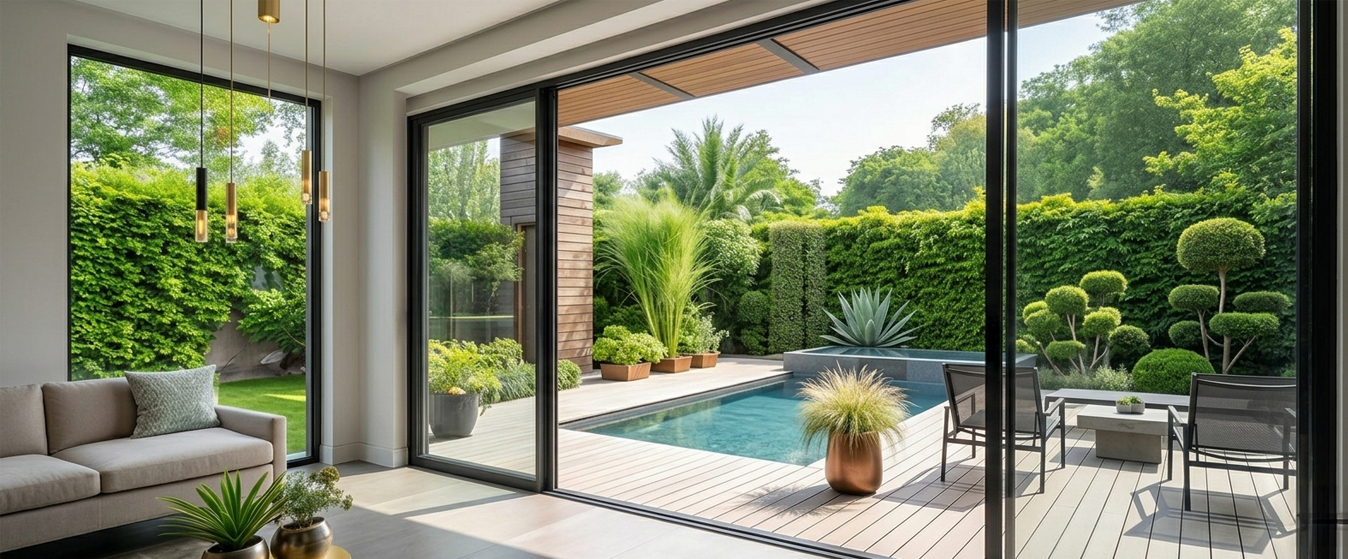
- How to Choose the Right Sliding Door Design Based on Style, Material, and Size for Your Space?
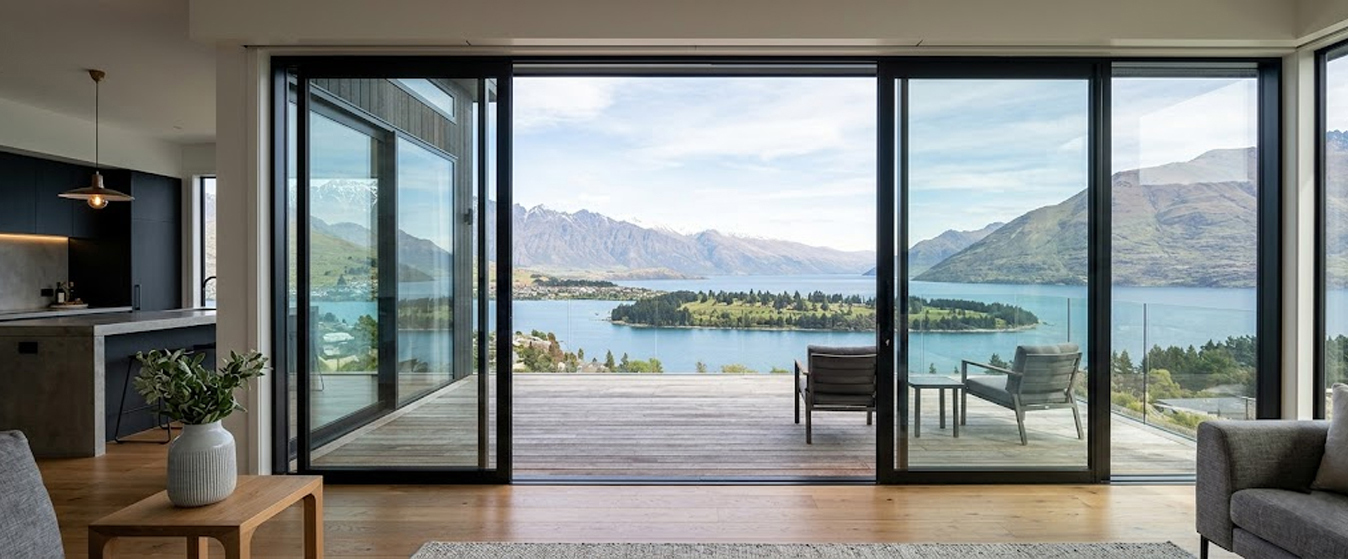
- Aluminium Fixed Windows: Benefits, Use Cases, and Why They Work Well in Modern Home Design


Related Posts

Why end-to-end support service matters in window installation?
Now-a-days, comfort and convenience is the standard criterion when opting for any service. Finding an aluminium windows and doors company which also provides excellent service,...

FAQs on windows and water damage : answers by one of the leading aluminium window frames manufacturers
Windows let in sunshine and fresh air. However, they can also become secret water pathways. Cracks can form in the seals around the window, letting...

Fixed vs. Operable Windows: Which Is Right for Your Home?
When it comes to selecting windows for your home, the choice between fixed and operable windows is pivotal. Both types offer unique benefits and can...
Why choose aluminium glass railings for your office space?
As the demand for spaces that merge aesthetic appeal with functional efficiency is on the rise, aluminium glass railings are becoming a key feature in modern office...
Creative Aluminium Door Designs for Your Commercial Space
Aluminium doors are emerging as the go-to choice for commercial spaces due to their great efficiency and practicality. There are various aluminium door designs that...

FAQs on glazing on doors: Key insights by a reputed aluminium doors manufacturer
Aluminium doors have become highly popular. They reflect minimalistic design choices and let in adequate natural light. But how do you choose the right glazing...