
Customised Aluminium Sliding Windows: What Homeowners Should Know Before Installation
January 20, 2026
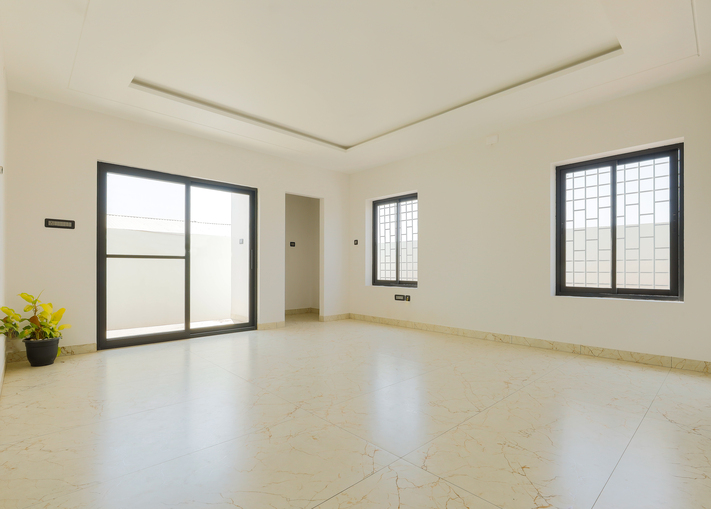
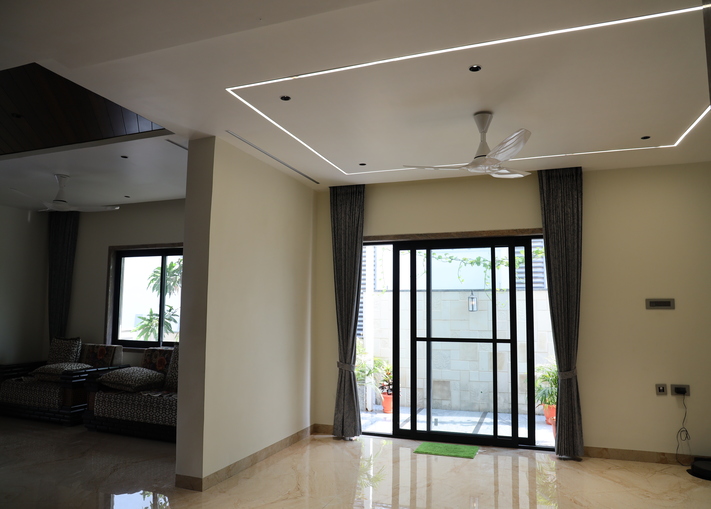
Modern homes are no longer designed around standard openings and fixed layouts. Larger balconies, wider living spaces, open-plan interiors, and seamless indoor–outdoor connections have changed how windows are planned. As a result, aluminium sliding windows have evolved from basic functional elements into critical architectural components that influence light, ventilation, comfort, and façade appearance.
While sliding windows are widely used today, homeowners often underestimate the importance of customisation. Off-the-shelf window systems may fit broadly, but they rarely address the exact structural, climatic, and usage requirements of a home. Customised aluminium sliding windows are designed specifically for the opening, exposure conditions, and performance expectations of the space. Understanding what they are, why they matter, and what must be considered before installation is essential for achieving long-term performance and visual consistency.
This guide breaks down everything homeowners should know before installing customised aluminium sliding windows, from basic understanding and benefits to design decisions and installation considerations.
What Are Customised Aluminium Sliding Windows?
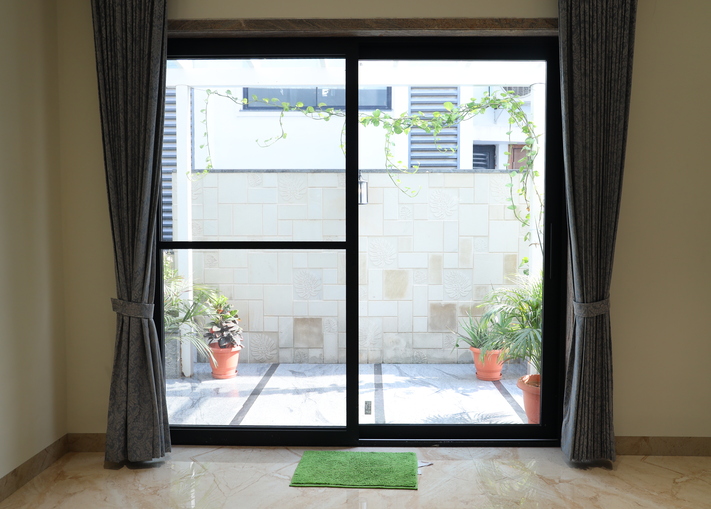
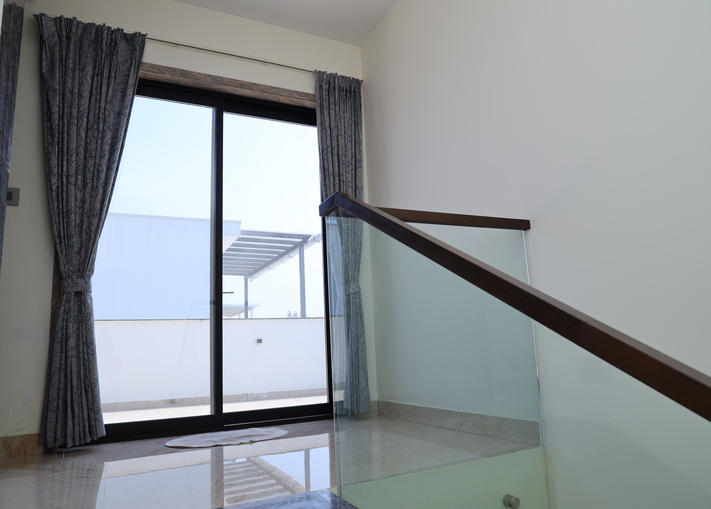
Customised aluminium sliding windows are made-to-measure window systems designed specifically for a particular opening rather than being adapted on-site. Unlike standard window units that come in fixed sizes, customised systems are fabricated based on precise measurements, usage requirements, and design intent.
The customisation process typically includes decisions around:
- Window size and panel configuration
- Number of tracks and sliding panels
- Aluminium frame profile thickness and sightlines
- Glass type, thickness, and performance features
- Hardware quality, rollers, and locking systems
- Finish and colour to suit the facade or interiors
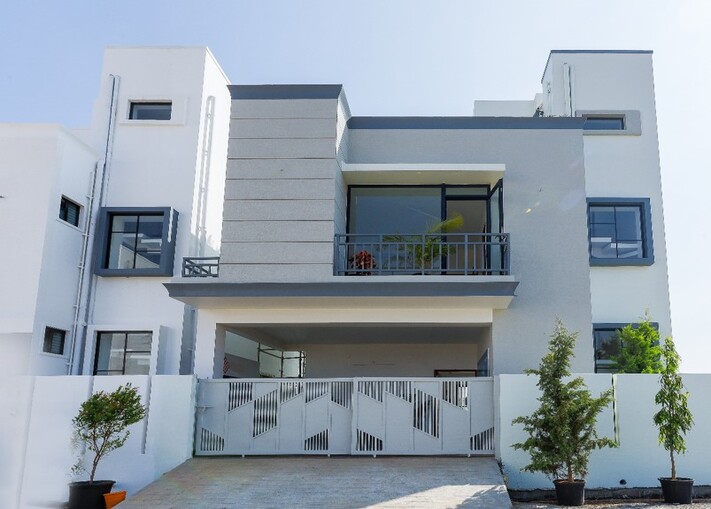
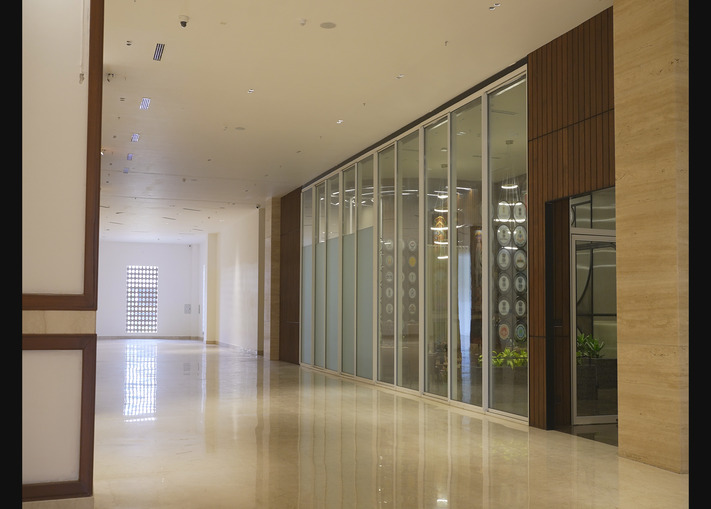
Aluminium as a material allows this flexibility because it offers high structural strength even with slim profiles. This makes it possible to create large openings with minimal visual obstruction while maintaining stability and safety. For homeowners aiming for clean lines and urban aluminium sliding window design, customisation ensures the window integrates seamlessly with the architecture rather than appearing as an add-on.
Why Customisation Matters in Aluminium Sliding Windows?
Customisation directly impacts the aesthetic and how the window performs over time. When aluminium sliding windows are designed specifically for the opening, several performance advantages emerge.
Here’s why it is important:
1. Precise Fit and Alignment: Custom fabrication ensures the window fits perfectly in the opening, reducing gaps, drafts, and water leakage.
2. Better Sealing and Insulation: Accurate sizing and tailored sealing strategies enhance thermal and acoustic performance.
3. Optimised Ventilation and Daylight: Customised panel sizes and track systems allow maximum natural light and airflow.
4. Adaptation to Orientation and Climate: Windows can be designed to handle sun exposure, wind, and rain specific to your home.
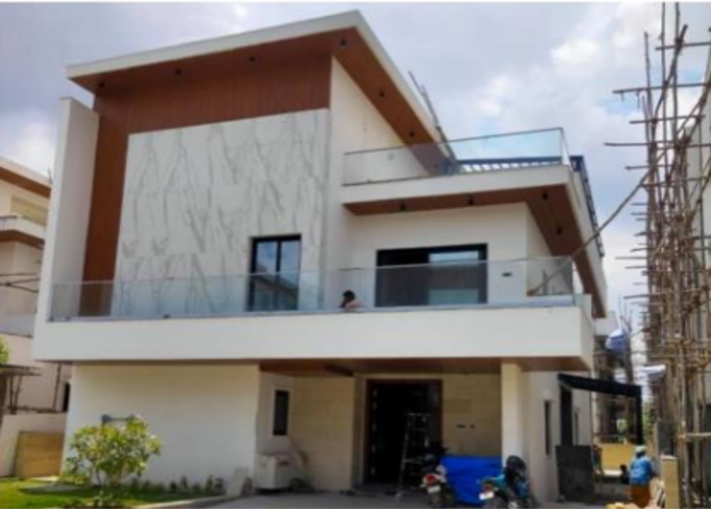
5. Enhanced Architectural Aesthetics: Slim profiles, consistent sightlines, and matching finishes create a seamless look across the facade.
Key Benefits of Customised Aluminium Sliding Windows
One of the main reasons homeowners prefer aluminium sliding windows is the balance they offer between performance and design flexibility.
When customised, these benefits become even more pronounced:
1. Durability and Weather Resistance: Aluminium frames resist corrosion, warping, and harsh weather conditions.
2. Low Maintenance: Aluminium requires minimal upkeep—occasional cleaning and roller lubrication is enough.
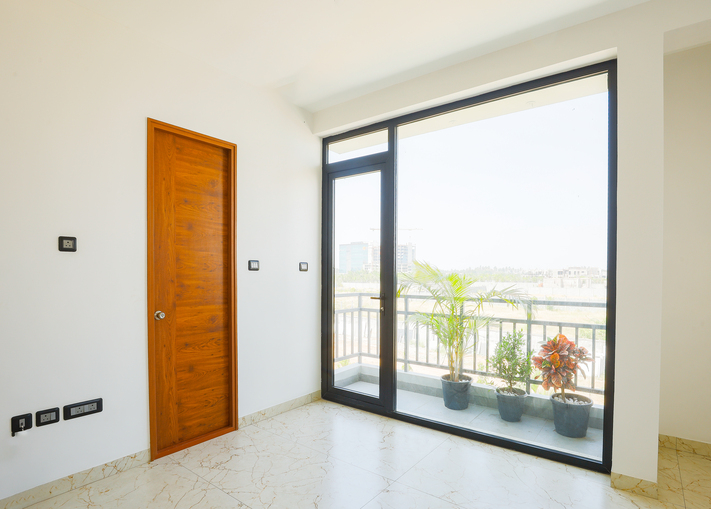
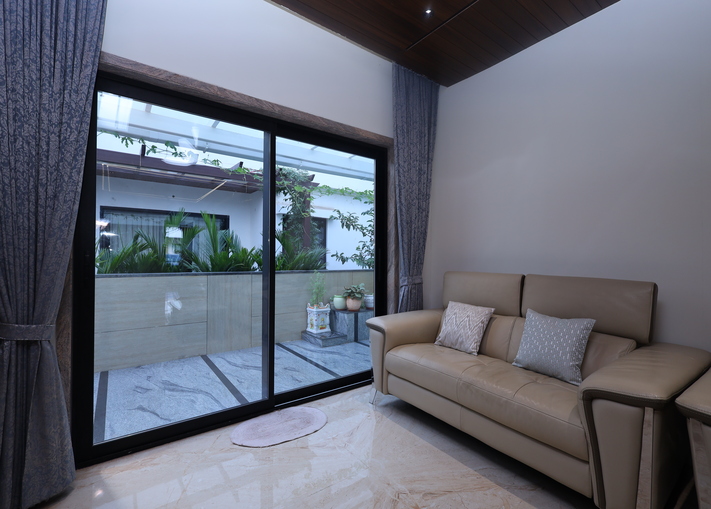
3. Space-Saving Operation: Sliding panels glide along tracks without needing extra swing space, perfect for balconies or compact rooms.
4. Better Thermal and Acoustic Performance: Custom glass options like double glazing or laminated glass maintain comfort and reduce noise.
5. Long Service Life: Quality aluminium systems can last decades, offering reliable performance over time.
6. Sustainable Choice: Aluminium is recyclable and environmentally friendly, supporting responsible building practices.
Things Homeowners Should Consider Before Installation
This is the most critical phase in the decision-making process. The performance of aluminium sliding windows depends largely on the choices made before installation begins.
1. Accurate Measurement and Site Assessment
Customisation starts with precise measurement. Even small inaccuracies can affect alignment, sealing, and movement. Professional site assessments account not only for the opening size but also for wall condition, sill levels, and structural tolerances. Accurate measurement ensures the fabricated window fits perfectly without excessive adjustments on-site.
2. Selection of Frame Profiles and Track Systems
The choice of frame profile influences both appearance and performance. Slim profiles offer a modern look and allow more glass area, while standard sections may be required for larger or heavier panels.
Track selection is equally important. Two-track systems are suitable for basic openings, while three-track or multi-track systems allow greater flexibility and wider openings. The load-bearing capacity of tracks and frames must be matched to the size and weight of the glass panels.
3. Glass Specification and Performance Requirements
Glass selection should be based on location and usage rather than aesthetics alone. Toughened glass offers strength and safety, while laminated glass provides additional acoustic and security benefits. Double glazing improves thermal insulation and reduces noise transmission.
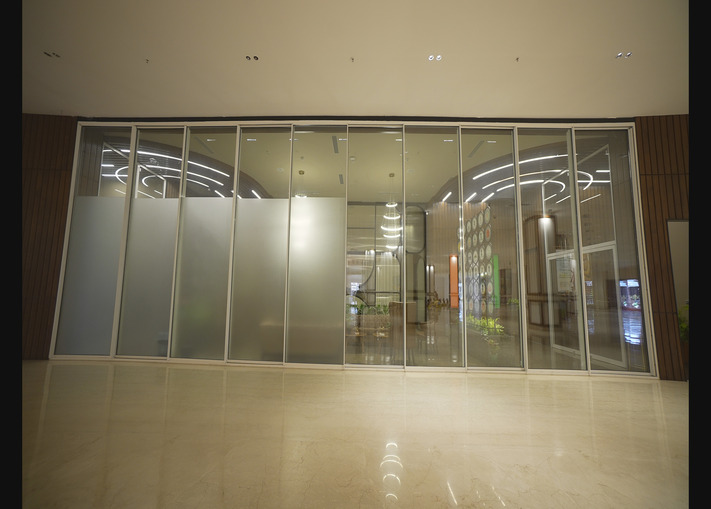
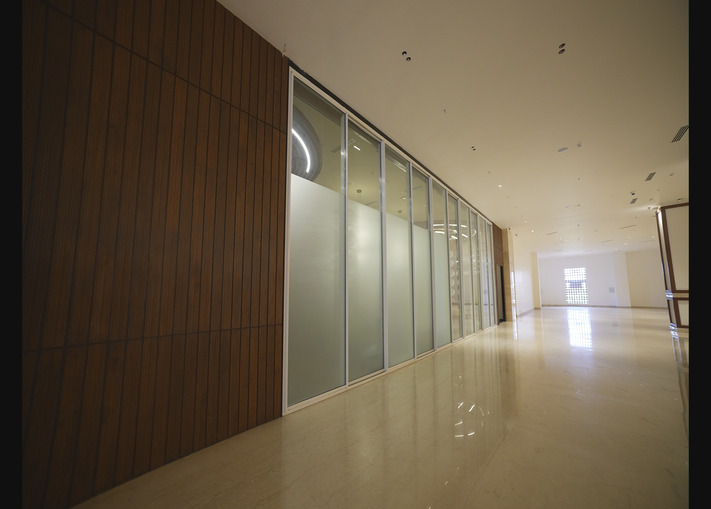
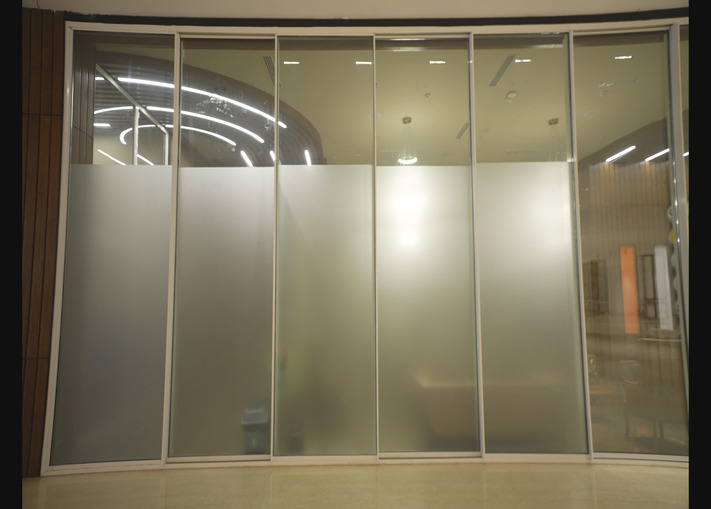
For privacy or solar control, homeowners may opt for frosted, tinted, or coated glass. Customisation ensures the glass specification supports comfort without compromising design intent.
4. Hardware Quality and Sliding Performance
Hardware is often overlooked, yet it plays a decisive role in daily usability. Rollers must be designed to handle the weight of the glass panels smoothly over time. Locks and handles should provide security without affecting ease of operation.
High-quality hardware ensures consistent sliding performance and reduces wear, making it a crucial consideration when selecting aluminium sliding window manufacturers.
5. Weather Sealing and Waterproofing
Effective sealing is essential for long-term performance. Brush seals, weather strips, and insulation materials prevent water, dust, and air leakage. Customised windows allow sealing strategies to be tailored to exposure conditions, which significantly improves resistance to environmental stress.
6. Orientation, Climate, and Exposure Conditions
Window design should respond to the building’s orientation. Openings exposed to strong sunlight may require glass with solar control properties, while wind-facing elevations need reinforced frames and anchoring. Considering local climate conditions during design helps avoid performance issues later.
7. Installation Expertise and Execution Quality
Even the best-designed window system will fail if installed incorrectly. Customised aluminium sliding windows require precise alignment, secure anchoring, and consistent sealing. Professional installation ensures the system performs as intended and maintains its durability over time.
Understanding the Installation Process for Customised Sliding Windows
The installation of customised aluminium sliding windows follows a structured process designed to protect both performance and aesthetics.
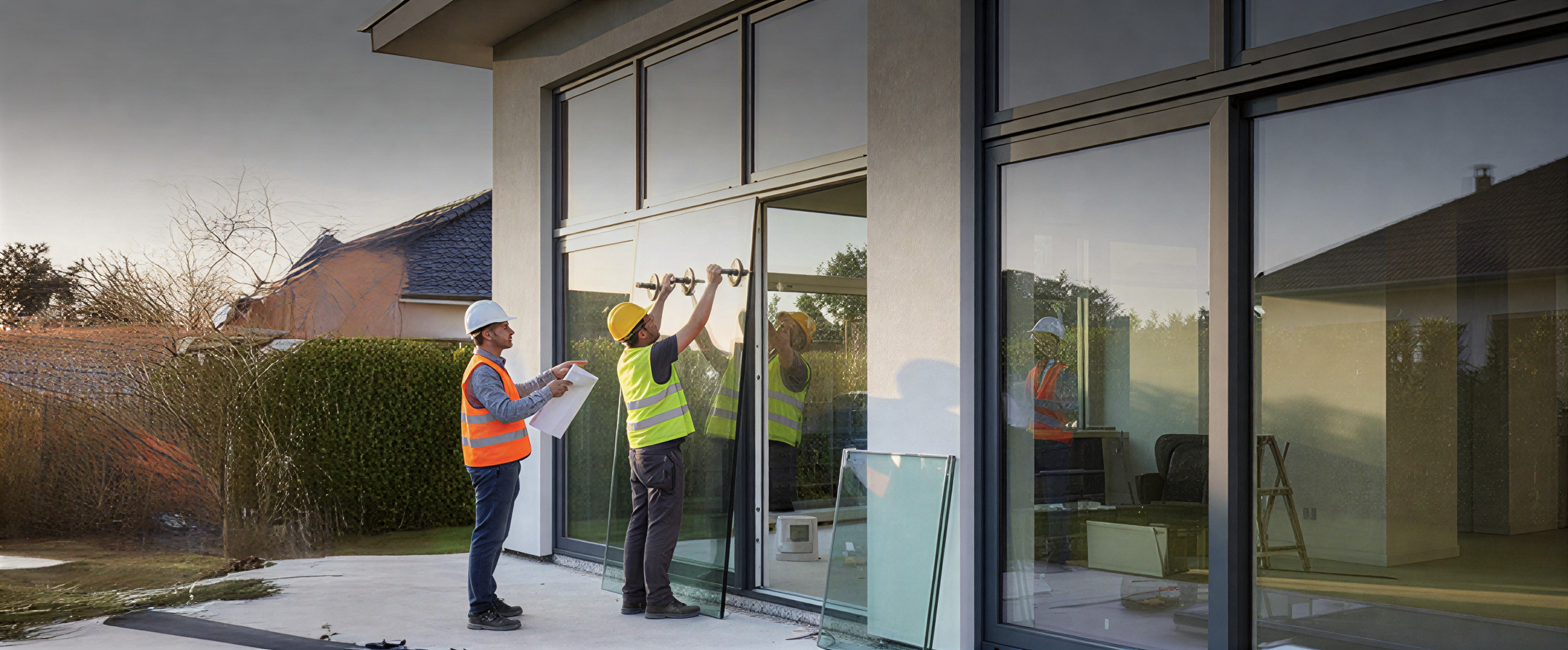
It begins with verification of site measurements and coordination with fabrication drawings. The opening is prepared by cleaning, levelling, and addressing any surface irregularities. The aluminium frame is then positioned accurately and anchored securely to handle wind loads and structural movement.
Sealing and insulation are applied around the frame to create a weather-tight barrier. Glass panels are installed next, followed by calibration of rollers and tracks to ensure smooth sliding. Finally, hardware is fitted, and a thorough inspection is conducted to confirm alignment, sealing, and operational ease.
Let’s understand the difference between customised windows and standard window systems.
Customised Aluminium Sliding Windows vs Standard Window Systems
| Parameter | Customised Aluminium Sliding Windows | Standard Window Systems |
| 1. Fit & Alignment | Precisely fabricated for the opening | Often adjusted on-site |
| 2. Weather Resistance | Superior sealing and protection | Basic sealing |
| 3. Thermal & Acoustic Performance | Optimised through glass and frame selection | Limited performance options |
| 4. Ease of Operation | Smooth, balanced sliding | Higher friction over time |
| 5. Design Flexibility | High | Restricted to standard sizes |
| 6. Lifecycle Performance | Consistent and reliable | Prone to long-term issues |
Common Mistakes Homeowners Should Avoid
One common mistake is finalising window decisions too late in the construction process. Early planning allows better integration with structural and façade elements.
Another issue is prioritising appearance over performance. A visually appealing window that lacks proper sealing or hardware quality will underperform over time.
Ignoring glass specifications and installation quality can also lead to discomfort and maintenance issues. Selecting experienced aluminium sliding window manufacturers and professional installers reduces these risks significantly.
Final Thoughts
Customised aluminium sliding windows improve comfort, usability, and long-term performance when planned and installed correctly. From accurate sizing to the right glass and hardware choices, informed decisions make all the difference.
With Alteza’s aluminium sliding windows, homeowners get thoughtfully engineered systems designed to suit modern layouts and real-world conditions. Explore Alteza’s aluminium sliding window designs or book a consultation today to find the right solution for your home.
- What Makes Premium Aluminium Door Systems Different from Standard Options?

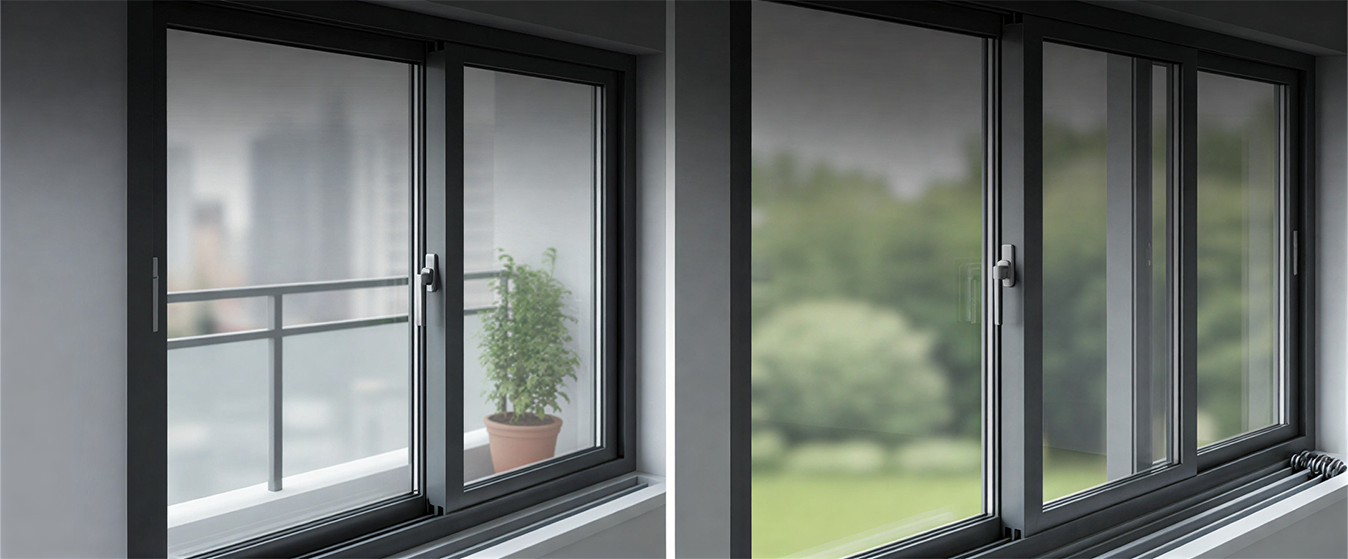
- Single Track vs Multi-Track Aluminium Sliding Windows: A Practical Comparison
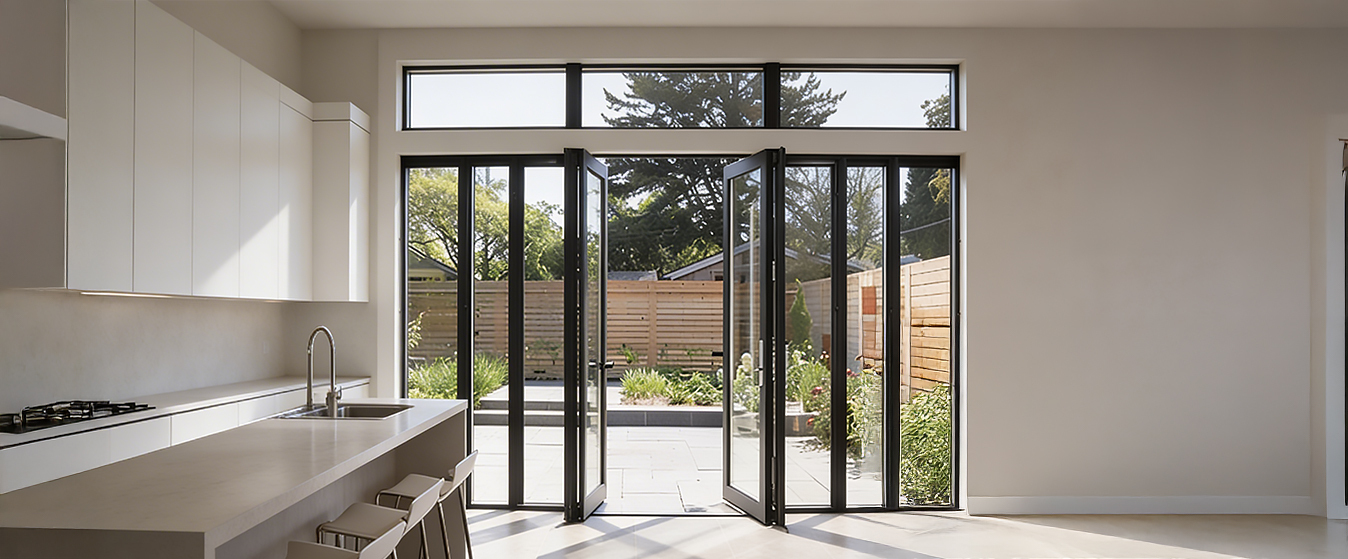
- Aluminium Casement Doors: Key Design and Performance Factors Homeowners Should Know
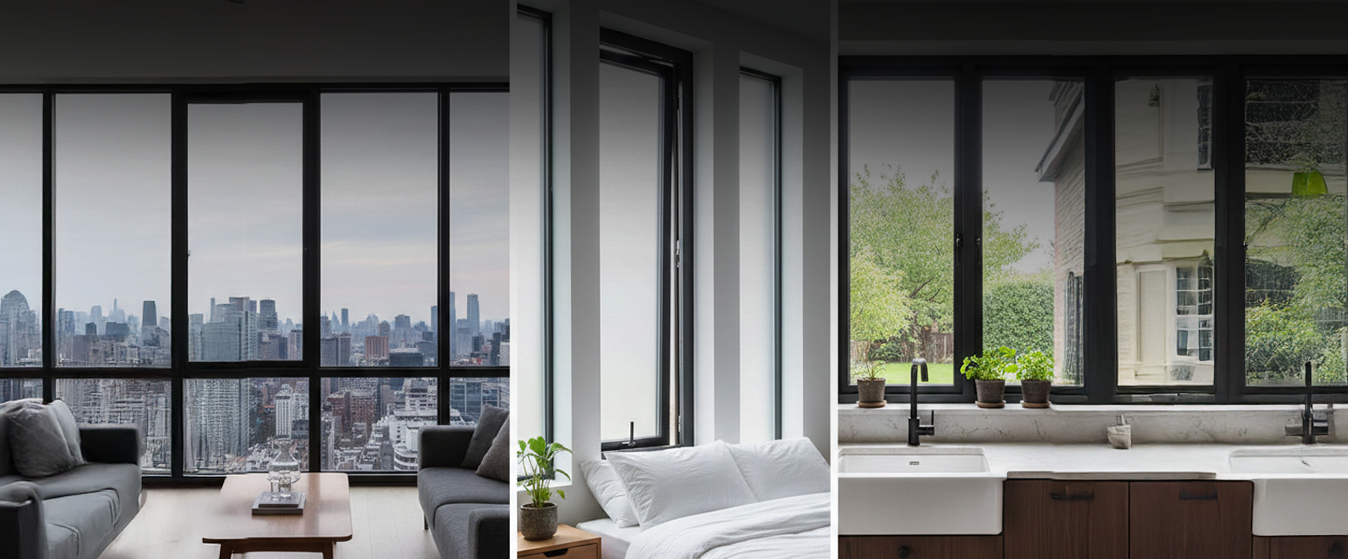
- How to Choose Aluminium Window Systems Based on Room Type: Living Room, Bedroom & Kitchen
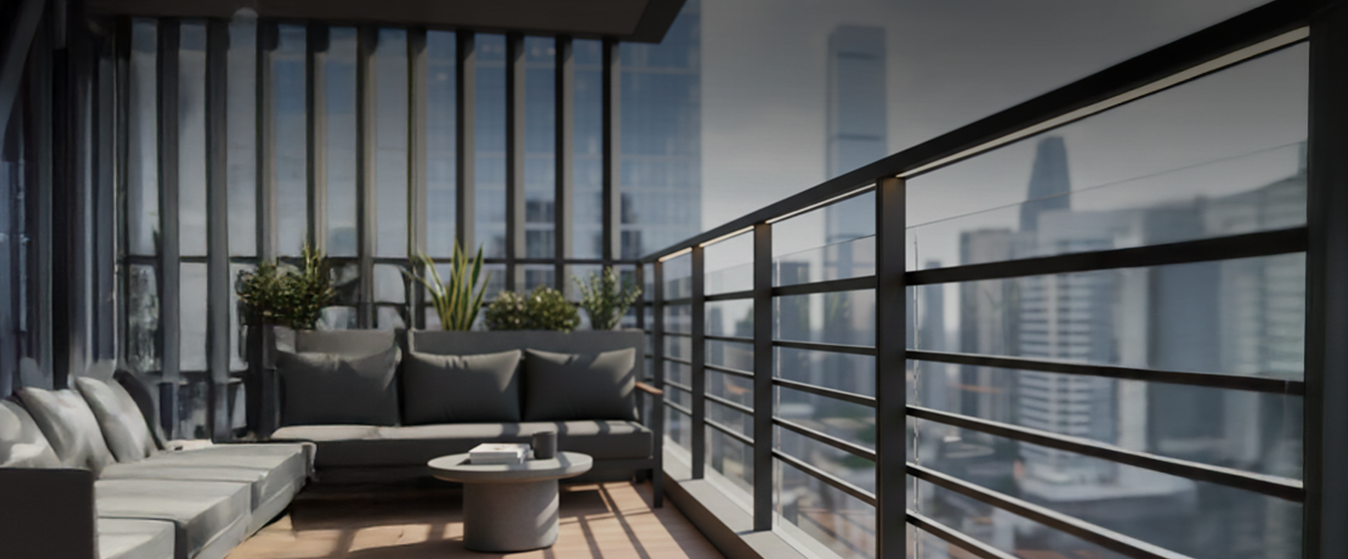
- 7 Modern Balcony Railing Designs for Urban Living in 2026
Related Posts
Branded vs. unbranded aluminium windows: What Indian homeowners need to know
Aluminum windows have become a preferred choice among Indian homeowners. They offer a modern look, require minimal maintenance, and withstand diverse climatic conditions. But as...
The Advantages of Aluminium Doors for Home Security
Apart from the looks and functionality, security is a paramount concern for homeowners highlighting the need for stronger doors. As we strive to protect our...
Aluminium Window Installation Process Step by Step: A Complete Guide
Learn the complete aluminium window installation process, from preparation and frame alignment to sealing and finishing, for long-lasting performance in modern homes.
How to Choose the Right Sliding Door for Your Home
Are you considering adding a sliding door to your home? Sliding doors are not only stylish but also practical, offering seamless access to outdoor spaces...
Ergonomic tips for those working from home: list curated by one of the leading aluminum sliding doors manufacturers
The science of ergonomics focuses on creating a comfortable and safe work environment by adapting the job to the person. This means having the right...
The Benefits of Double Glazed Windows: Enhanced Comfort and Efficiency
In the quest for comfortable and energy-efficient living spaces, homeowners are increasingly turning to double glazed windows. These innovative windows, which consist of two panes...