
Choosing the Right Glazing for Premium Aluminium Windows: Single vs Double Glazing Explained
January 14, 2026
As residential architecture continues to evolve, windows are no longer treated as simple openings in a wall. They have become essential performance elements that influence how a home responds to climate, light, sound, and energy use. Among the many decisions homeowners and architects make while planning modern homes, one choice that is often underestimated is glazing.
While aluminium windows are widely appreciated for their durability, slim profiles, and modern appeal, the glazing used within these frames plays an equally important role. Whether a window uses single glazing or double glazing can significantly impact thermal comfort, indoor noise levels, energy efficiency, and long-term living experience.
For homeowners exploring house aluminium windows for the first time, the difference between single and double glazing can feel technical or confusing. This guide breaks it down clearly, helping you understand how glazing works, where each option fits best, and why glazing decisions matter far beyond appearance.
The Importance of Glazing in Windows
Windows form one of the largest interfaces between indoor and outdoor environments in modern construction. They are transparent and exposed. This makes glazing an essential barrier that controls heat transfer, sound movement, and light penetration.
Aluminium windows, in particular, are commonly used for large openings, sliding doors, and floor-to-ceiling designs. These architectural choices increase natural light and visual openness but also place greater demands on glazing performance.
In premium aluminium windows, glazing is not just glass. It is a carefully engineered component that determines how comfortable a space feels throughout the day and across seasons.
What is Glazing in Aluminium Window Systems?
Glazing refers to the number of glass panes used in a window and the way they are assembled within the frame. Aluminium window systems are designed to hold different glazing configurations while maintaining structural strength and visual minimalism.
Modern aluminium profiles are compatible with advanced glazing systems that include sealed units, laminated layers, and performance coatings. This compatibility allows aluminium windows to deliver both design flexibility and functional efficiency.
Choosing the right glazing means understanding how the glass works with the aluminium frame as a complete system rather than as separate elements.
What Is Single Glazing?
Single glazing consists of a single pane of glass fixed within an aluminium frame. This was the standard glazing option for many decades and is still used in certain applications today.
How Single Glazing Works?
With only one layer of glass separating indoor and outdoor environments, single glazing allows heat and sound to pass through relatively easily. The glass acts as a basic barrier but does not provide insulation in the way modern systems do.
The thickness of single-glazed glass can vary, but increasing thickness alone does not significantly improve insulation or noise control.
Where Single Glazing Is Commonly Used?
Single glazing still has relevance in:
- Internal partitions
- Stairwells and corridors
- Balconies and verandas
- Utility rooms and storage spaces
- Non–air-conditioned areas
In these contexts, thermal and acoustic insulation may not be critical, making single glazing a practical and economical choice.
Limitations of Single Glazing in Homes
For primary living spaces, single glazing often falls short. Heat gain during warmer periods can make rooms uncomfortable, while external noise can easily penetrate the interior. Over time, this can increase dependence on cooling systems and affect overall comfort.
In premium homes, where aluminium windows are chosen to enhance living quality, these limitations become more noticeable.
What Is Double Glazing?
Double glazing uses two panes of glass separated by a sealed gap. This gap may be filled with air or an inert gas such as argon. Together, these components form an insulated glass unit, commonly referred to as an IGU.
How Double Glazing Improves Performance?
The space between the two glass panes acts as an insulating layer. It slows down heat transfer and reduces the movement of sound waves. This makes double-glazed aluminium windows far more effective at maintaining indoor comfort compared to single-glazed alternatives.
Double glazing also helps stabilise indoor temperatures, reducing sudden changes caused by outdoor conditions.
Variations Within Double Glazing
Double glazing is not a single fixed product. It can be enhanced through:
- Laminated glass for added safety and noise reduction
- Solar-control glass to limit heat gain
- Low-emissivity coatings that reflect infrared heat
- Tinted glass for glare management
These variations allow double glazing to be adapted to different climates, orientations, and design requirements.
Single vs Double Glazing: Key Differences Explained
Before going in-depth, the table below offers a simple comparison of single and double glazing when used in aluminium windows.
| Single vs Double Glazing for Premium Aluminium Windows | ||
| Feature | Single Glazing | Double Glazing |
| Glass Layers | One pane | Two panes with an insulated gap |
| Thermal Insulation | Low | High |
| Energy Efficiency | Limited | Significantly improved |
| Noise Reduction | Minimal | Effective |
| Indoor Comfort | Variable | Consistent |
| Condensation Control | Higher risk | Reduced |
| Maintenance Over Time | More frequent | More stable |
| Upfront Cost | Lower | Higher |
Thermal Performance and Energy Efficiency
One of the most significant differences between single and double glazing lies in thermal performance. Single glazing allows heat to move freely through the glass, increasing indoor temperatures during warm periods and allowing cooled air to escape.
Double glazing slows this process by introducing an insulating layer between the panes. This reduces heat gain and heat loss which makes interiors more stable and comfortable.
For homeowners exploring aluminium windows for energy-conscious homes, double glazing often leads to lower electricity usage over time. Reduced reliance on air-conditioning contributes to both cost savings and environmental benefits.
Acoustic Comfort and Noise Control
Urban living has increased exposure to traffic, construction, and neighbourhood noise. Windows are often the weakest point in a building’s acoustic envelope.
Single glazing provides limited resistance to sound transmission. Double glazing, by contrast, disrupts sound waves through its layered construction, resulting in noticeably quieter interiors.
For house aluminium windows facing busy streets or shared spaces, this acoustic benefit can significantly improve day-to-day living.
Indoor Comfort and Living Experience
Comfort is not just about temperature. It includes how consistent a room feels throughout the day, how quiet it is, and how well it protects occupants from external disturbances.
Double-glazed aluminium windows help maintain a balanced indoor environment. Reduced drafts, controlled condensation, and better temperature stability all contribute to a more comfortable home.
Single glazing, while functional, may struggle to deliver this level of comfort in primary living areas.
Cost Considerations
Single glazing is often chosen for its lower upfront cost. The materials are simpler, and installation is quicker. For limited-use spaces, this can be sufficient.
However, when evaluating premium aluminium windows, cost should be considered over the lifespan of the window. Double glazing, despite its higher initial price, can reduce energy costs and maintenance requirements over many years.
This long-term perspective is especially relevant for homeowners planning permanent residences rather than short-term solutions.
Safety, Security, and Durability
Glazing also affects safety and security. Double glazing often incorporates toughened or laminated glass, which offers better resistance to impact and breakage.
For large openings, sliding doors, and façade-facing aluminium windows, enhanced glazing improves both occupant safety and protection against forced entry.
Durability is another advantage. Sealed double-glazed units are designed to withstand weather exposure and maintain performance over extended periods.
Design Flexibility and Architectural Freedom
One reason aluminium windows are widely used in premium architecture is their ability to support large spans and minimal frames. Double glazing complements this strength by allowing expansive openings without compromising performance.
The result is improved daylight, uninterrupted views, and cleaner facade lines. Single glazing may restrict these possibilities in performance-sensitive applications.
Climate Considerations for Indian Homes
India’s climate varies widely, but most regions experience extended warm periods and high solar exposure. In such conditions, controlling heat gain becomes essential.
Double glazing helps manage these challenges by reducing thermal transfer and supporting more efficient indoor cooling. In humid or coastal regions, sealed glazing units also help manage moisture and condensation.
For these reasons, double glazing is increasingly preferred in modern house aluminium windows across urban and suburban developments.
How to Decide Which Glazing Is Right for You?
Choosing between single and double glazing depends on how the space will be used. Single glazing may be suitable for secondary areas or non-conditioned spaces.
Double glazing is better suited for:
- Living rooms
- Bedrooms
- Home offices
- Facade-facing openings
- Air-conditioned interiors
Understanding your priorities helps determine the right balance between cost and performance.
Clearing Common Misconceptions
A common assumption is that double glazing is unnecessary in warm climates. In reality, its ability to reduce heat gain makes it highly effective in such conditions.
Another misconception is that aluminium windows do not insulate well. When paired with the right glazing and system design, aluminium performs exceptionally across thermal and acoustic parameters.
Final Thoughts
Glazing choices shape how a home performs every day. While single glazing remains relevant in specific contexts, double glazing offers clear advantages in comfort, efficiency, and durability.
For homeowners and architects evaluating aluminium windows for modern living, glazing should be viewed as a long-term investment rather than a short-term cost-saving measure.
Alteza is a leading aluminium windows company in India, delivering premium solutions for modern residential and commercial projects. With a focus on performance-driven design, advanced systems, and long-term durability, our experts design systems that align architecture, comfort, and efficiency.
- A Simple Guide to Types, Uses, and What to Look For in Aluminium Doors for Your Home
- Everything You Need to Know Before Buying Aluminium Sliding Windows
- 7 Key Benefits of Installing Aluminium Doors for Modern Homes
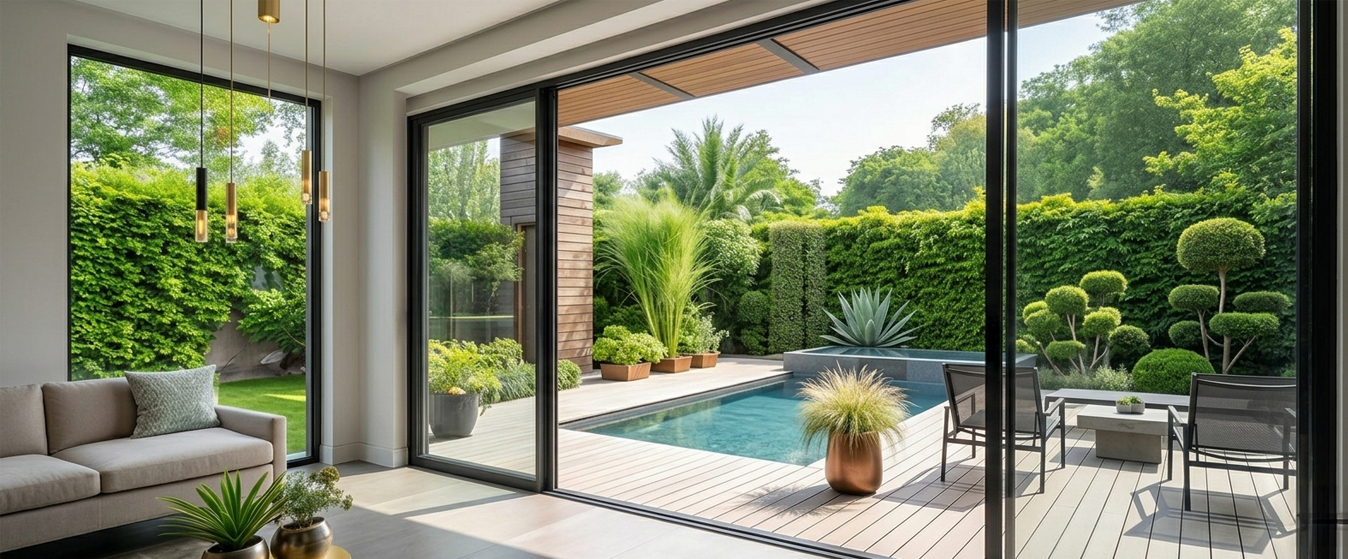
- How to Choose the Right Sliding Door Design Based on Style, Material, and Size for Your Space?
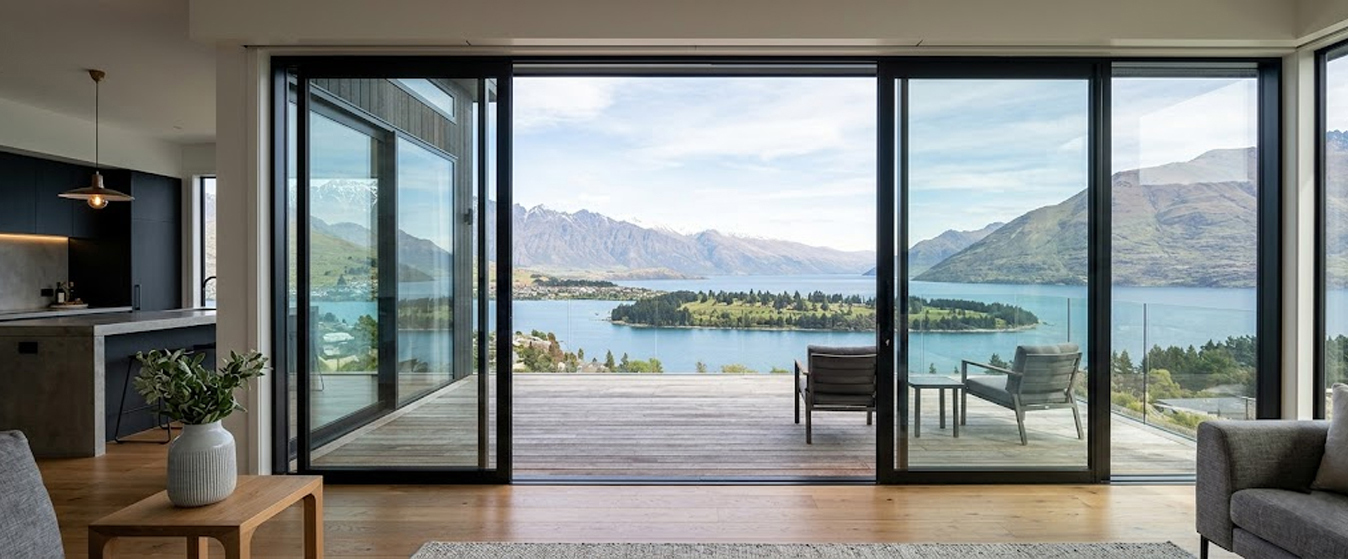
- Aluminium Fixed Windows: Benefits, Use Cases, and Why They Work Well in Modern Home Design


Related Posts

What are the benefits of using slim frames in aluminium windows?
Windows do much more than just let in light and air. They define the look of a home, impact energy efficiency, and influence long-term maintenance...
Planning to install sliding windows for the house? Tips to effectively communicate your ideas to the window provider
A successful window installation project involves a clear understanding of your goals and requirements. Whether you are looking to improve the aesthetic appeal of your...

Ensuring Longevity: The Durability of Alteza’s Aluminium Windows and Doors
When it comes to choosing windows and doors for home or commercial space, durability is undoubtedly a top priority for any customer. We, at Alteza...

Why Aluminium Glass Railings Are Ideal for Balconies and Terraces?
Explore why aluminium glass railings are perfect for balconies and terraces. Learn how their durability, safety, and modern appeal improve every Indian home’s outdoor space.

Branded vs. unbranded aluminium windows: What Indian homeowners need to know
Aluminium windows have become a preferred choice among Indian homeowners. They offer a modern look, require minimal maintenance, and withstand diverse climatic conditions. But as...
The Advantages of Choosing Aluminium Section Windows for Your Home
Choosing the right windows for your home is a decision that impacts both its aesthetic and functional quality. Aluminium section windows have become a preferred...