
Planning Aluminium Windows and Doors at the Design Stage: What Most Homes Miss
March 5, 2026
Most people start thinking about aluminium windows and doors after the walls are up. At that point, the spaces are already built, the window openings are fixed, and there is very little room to change anything. You can choose the design and colour, but you cannot change how much light comes in or how the room feels.
In many homes, aluminium windows and doors are selected after the floor plan is finalised and masonry work has begun. By then, sill heights, opening sizes, and facade balance are already decided. What remains is fitting the product into the space, not designing the space around it.
This late decision often leads to darker rooms, weak airflow, uneven front elevations, and higher cooling costs. Aluminium window and door systems are not just finishing items. They shape how your home looks, feels, and performs every day.
Planning them at the design stage makes a clear difference.
What Planning Aluminium Windows and Doors at the Design Stage Means?
Design-stage planning means integrating aluminium windows and doors during concept development, not after construction has progressed. It involves aligning window sizes with beam positions, studying orientation before fixing glazing areas, and coordinating thresholds, drainage, and insulation details early.
It also requires collaboration. Architects, structural engineers, and aluminium system specialists must align before drawings are frozen. Frame depth, sightline thickness, structural reinforcement, and glazing specifications are all considered alongside layout planning.
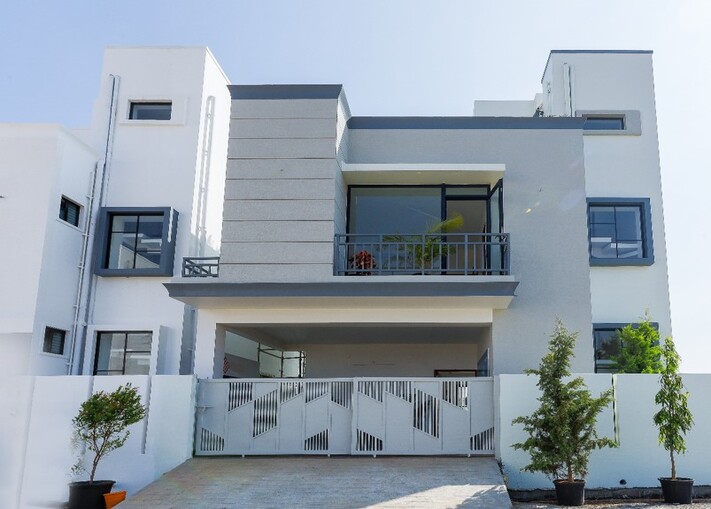
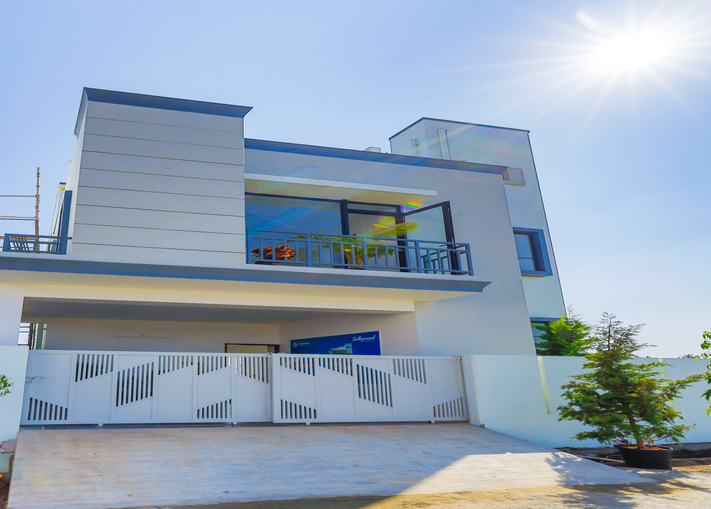
This approach ensures that aluminium windows and doors for home applications become part of the architectural language rather than being inserted into pre-existing openings.
Design Stage Planning Vs Late Selection: Comparison Table
The difference between early planning and late selection becomes evident in performance and visual balance.
| Aspect | Planned at Design Stage | Selected After Construction |
| Window Size | Optimised for light and structure | Restricted by existing openings |
| Structural Integration | Beams aligned with wide spans | The glass area is often reduced |
| Ventilation | Cross airflow is intentionally designed | Dependent on leftover openings |
| Thermal Efficiency | Glass chosen by orientation | Heat gain discovered later |
| Door Thresholds | Flush transitions integrated | Step-down compromises common |
| Long-Term Performance | Engineered for lifecycle value | Upgrades become costly |
When you treat aluminium window and door systems as part of the structure from the start, the home performs better. When you add them later, you only adjust to limitations.
Long-Term Advantages of Early Planning
Homes designed around aluminium windows and doors benefit from balanced daylight, reduced need for artificial lighting, and better indoor temperature control. Ventilation works naturally. Openings feel intentional instead of forced.
Early planning also reduces lifecycle costs. Thermal efficiency is integrated into glazing specifications. Solar control measures are aligned with facade orientation. The result is not only comfort but measurable energy savings over time.
Above all, the home feels composed. Interiors experience a seamless relationship between light, airflow, and spatial flow.
Orientation and Natural Light Strategy
In climates with strong sun exposure, orientation matters more than window size.
North-facing glazing offers consistent daylight. West-facing facades require careful solar control. East-facing openings introduce gentle morning light, while south-facing walls often demand shading integration.
Aluminium window and door systems allow larger glass panels due to their strength-to-weight ratio. However, increasing the glass area without studying the sun path can result in overheating and glare.
Design-stage planning allows shading devices, overhangs, and glazing specifications to be coordinated before structural completion. Daylight becomes an asset rather than a thermal liability.
Ventilation Mapping and Airflow Design
Effective ventilation does not occur accidentally. It requires mapping airflow paths across the floor plan. Opposing window placements encourage cross ventilation. Double-height spaces can utilise stack effect principles. Kitchens and bathrooms benefit from strategic placement aligned with wind direction.
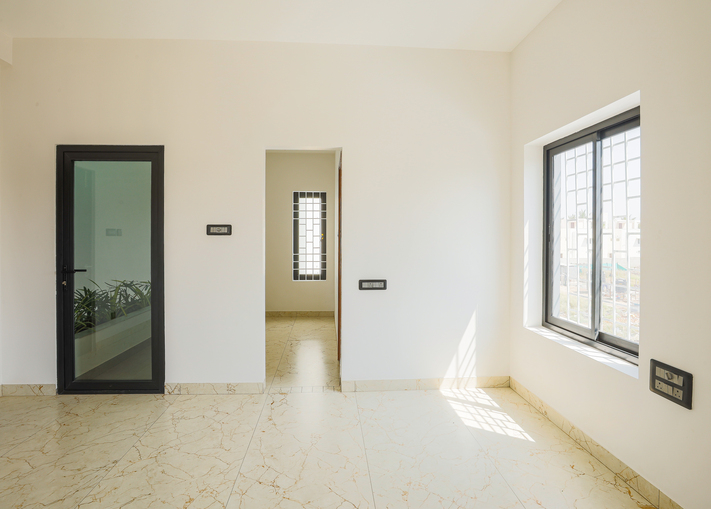
Selecting the correct opening mechanism is equally important. Casement windows provide maximum airflow. Sliding systems save space but offer controlled ventilation. Tilt options allow partial opening without compromising privacy.
When a ventilation strategy is defined early, aluminium windows for home projects enhance comfort without reliance on mechanical systems.
Structural Coordination for Large and Custom Openings
Open-plan living areas, corner glazing, and double-height windows demand structural foresight. Beam depth, reinforcement placement, and wind load considerations must align with intended glass spans.
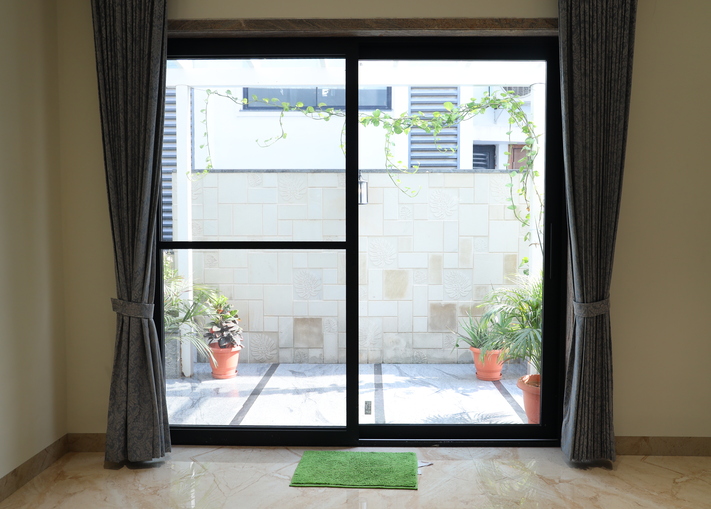
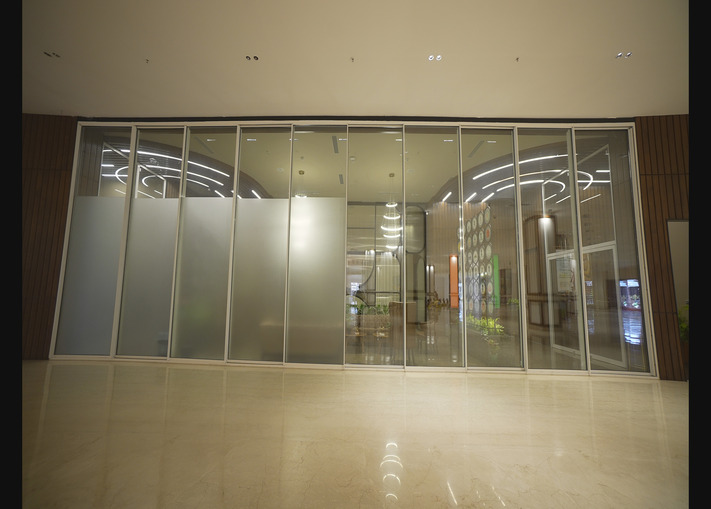
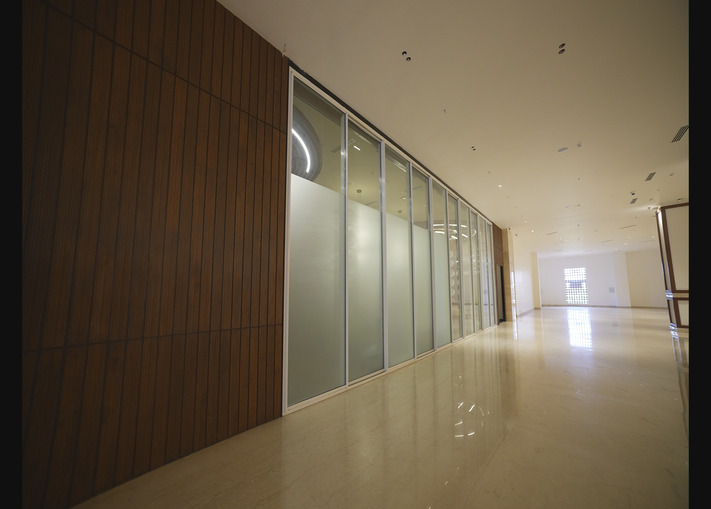
Aluminium window and door systems enable wide sliding doors, tall fixed glazing, and minimalistic corner configurations. Yet these features require structural planning before concrete is poured.
Many homes reduce glazing ambition because openings were not aligned with structural allowances. Early coordination ensures that design intent is preserved through execution.
Door Planning and Circulation Efficiency
Doors influence how people move through a home. Swing clearance impacts furniture placement. Sliding systems enhance space efficiency. Pocket configurations require planned wall cavities.
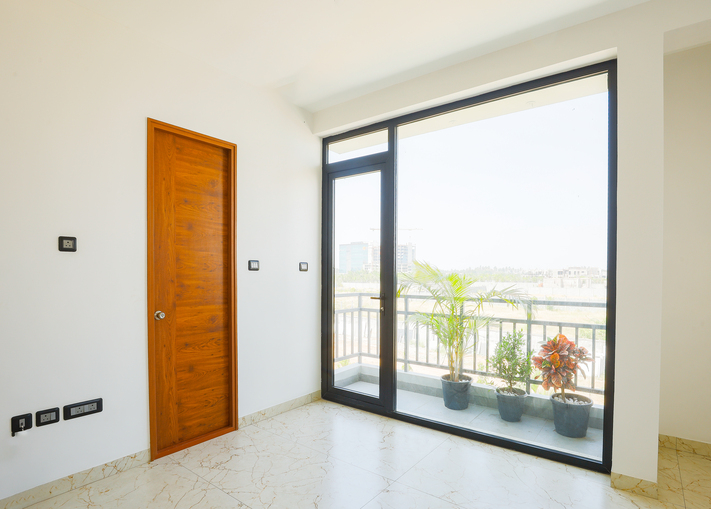
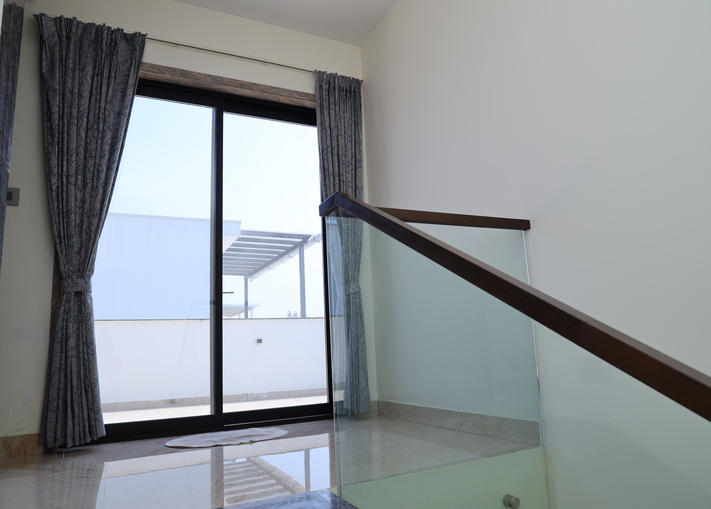
Flush thresholds between interior floors and balconies must be detailed alongside the drainage strategy. Without early coordination, step-down compromises or water seepage risks may arise.
When you integrate aluminium windows and doors for home layouts early, movement feels smooth, and transitions look seamless.
Finish Continuity and Material Integration
Aluminium offers diverse finishing options, including powder-coated colours and dual-tone combinations. These decisions should align with facade materials such as stone, brick, or exposed concrete.
Visual rhythm across windows, sliding doors, and balcony systems strengthens architectural identity. When finishes are chosen late, inconsistency often disrupts cohesion.
Early integration ensures that aluminium window and door systems complement the overall material palette rather than competing with it.
Thermal and Energy Performance Integration
Thermal performance begins with specification. Aluminium systems with thermal breaks, combined with double glazing and solar control glass, reduce heat transfer significantly.
When glazing is selected according to orientation and climate zone, cooling loads decrease. Over time, this reduces operational costs and enhances indoor comfort.
Focusing only on the upfront aluminium windows cost can obscure lifecycle benefits. Design-stage planning prioritises long-term efficiency over short-term compromise.
Acoustic and Urban Comfort Planning
Urban homes often contend with traffic noise and surrounding density. Acoustic glass and advanced sealing systems must be specified early to deliver meaningful sound reduction.
Bedroom placement relative to high-noise areas should also be evaluated during layout development. Aluminium window and door systems support acoustic insulation when integrated thoughtfully.
Planning for sound comfort at the concept stage ensures that the home remains calm despite its surroundings.
Security Integration from Concept Stage
Security features such as multi-point locking systems, laminated safety glass, and reinforced balcony doors are most effective when incorporated during system design. Retrofitting often limits compatibility.
Early integration allows security to remain discreet while maintaining aesthetic clarity. Safety becomes part of the architectural framework rather than an afterthought.
What Most Homes Still Overlook?
Many projects still fix window sizes after brickwork. Sun path analysis is often ignored. Structural allowances for wide spans are underestimated. Threshold drainage details receive limited attention. Finishes are mixed inconsistently.
Most importantly, aluminium windows and doors are treated as catalogue items rather than engineered systems.
Eventually, this mindset will limit potential.
Final Thoughts
Planning aluminium windows and doors at the design stage ensures that structure, light, ventilation, and aesthetics work together from the beginning. Instead of adjusting openings later, the home performs as intended, such as balanced in elevation, efficient in energy use, and comfortable in everyday living.
When aluminium window and door systems are integrated early, they do more than frame views. They shape how the home feels, functions, and endures over time.
If you are designing a new home or reworking architectural drawings, involve your aluminium systems partner early. Alteza works closely with homeowners, architects, and builders to integrate precision-engineered aluminium windows and doors from concept to completion.
FAQ’s
Q1. When should I plan aluminium windows and doors for my home?
A. Plan your aluminium windows and doors at the design stage, before construction starts. This helps your architect decide the right sizes, placements, and structural support from the beginning. Early planning prevents design changes, delays, and extra costs later.
Q2. Does planning aluminium windows and doors early increase my budget?
A. Planning early usually helps you control your budget. When you integrate aluminium window and door systems into the initial design, you avoid resizing openings, redoing structural work, or upgrading glass later. This reduces unnecessary expenses and improves long-term performance.
Q3. Why should I choose aluminium windows and doors at the design stage?
A. Aluminium windows and doors affect light, airflow, and overall comfort in your home. They also allow bigger glass panels and slim frames. When you plan them early, your home looks better and works better every day.
- A Simple Guide to Types, Uses, and What to Look For in Aluminium Doors for Your Home
- Everything You Need to Know Before Buying Aluminium Sliding Windows
- 7 Key Benefits of Installing Aluminium Doors for Modern Homes
- How to Choose the Right Sliding Door Design Based on Style, Material, and Size for Your Space?
- Aluminium Fixed Windows: Benefits, Use Cases, and Why They Work Well in Modern Home Design


Related Posts
Single Track vs Multi-Track Aluminium Sliding Windows: A Practical Comparison
Compare single-track and multi-track aluminium sliding windows to understand differences in ventilation, usability, maintenance, and performance for Indian homes.
A Comprehensive Guide to Choosing the Right Type of Aluminium Door for Your Home
A decade back, there weren’t many options for aluminium doors in the market. That situation has changed now and the market currently offers a wide...
Comparing UPVC, wooden, and aluminium doors: Which is the best choice?
One of the first decisions to be made when selecting a new or replacement door is the material that has to be chosen. Out of...
What are single and double glazed aluminium windows?
Aluminium windows are becoming increasingly popular among architects, designers and homeowners as they contribute significantly to energy efficiency and are relatively easier to clean and...

Creating a cozy corner around aluminium windows in Indian homes: check these useful tips
Aluminium windows are a popular choice for Indian homes, thanks to their modern design, durability, and ability to bring in abundant natural light. But did...

Mistakes that people make when buying aluminium doors
Aluminium doors are a popular choice due to their durability, and impressive aesthetics. However, buyers should be wary of certain mistakes when purchasing them. Here,...