
What Makes Premium Aluminium Door Systems Different from Standard Options?
February 24, 2026
Aluminium doors have become a preferred choice in modern Indian homes and commercial buildings. Architects, homeowners, and developers increasingly choose aluminium door systems for their clean appearance, strength, and flexibility in design. However, many people still find it difficult to understand the real difference between standard aluminium doors and premium aluminium door systems.
Many assume that premium doors simply cost more or look better. In reality, the difference goes much deeper. Premium aluminium door systems focus on engineering quality, long-term performance, and everyday comfort, while standard options mainly meet basic functional needs. Knowing this difference helps you make better decisions based on usage, location, and environmental conditions.
This article explains, in simple and practical terms, what sets premium aluminium door systems apart from standard options and why this difference matters in Indian conditions.
What Are Standard Aluminium Door Systems Designed For?
Standard aluminium door systems serve basic requirements. They provide an opening, hold glass panels securely, and allow regular operation. Manufacturers design these doors for spaces where performance demands remain low and exposure to weather remains minimal.
Standard aluminium doors usually come with fixed frame sizes, limited configuration options, and basic hardware. They support standard glass thickness and follow predefined measurements. Finish options also remain limited, as the focus stays on function rather than long-term appearance.
People commonly use standard aluminium doors for interior rooms, utility areas, store rooms, or office partitions. In such spaces, wind resistance, thermal insulation, or advanced security do not play a major role. For these applications, standard aluminium doors perform well and keep costs under control.
However, as soon as the door faces outdoor exposure, heavy usage, or modern design expectations, standard aluminium door systems start showing their limitations.
What Defines a Premium Aluminium Door System?
Premium aluminium door systems go beyond basic functionality. Manufacturers design them as complete systems where profiles, seals, hardware, glass, and finishes work together seamlessly.
These systems focus on delivering consistent performance over many years. They handle weather exposure, frequent usage, and larger openings without compromising comfort or safety. Instead of solving one problem at a time, premium systems address structure, insulation, security, and aesthetics together.
Premium aluminium door systems also adapt easily to modern architectural needs. They support wider openings, slimmer frames, heavier glass panels, and smooth indoor-outdoor transitions. This level of flexibility allows architects to push aluminium door design further without sacrificing performance.
Material Quality and Profile Strength
The quality of aluminium profiles determines how a door performs in the long run. Although aluminium looks similar across products, its strength and stability depend heavily on alloy quality and profile design.
Standard aluminium doors use lighter profiles with minimal thickness. While these profiles work for low-stress areas, they may vibrate, create noise during operation, or lose alignment over time.
Premium aluminium door systems use high-grade aluminium alloys and precision-engineered profiles. Manufacturers maintain uniform thickness and reinforce critical sections to improve strength. These profiles feel solid, operate smoothly, and maintain shape even after years of regular use.
Stronger profiles also allow slimmer frames. Instead of increasing frame bulk, premium systems use aluminium’s strength-to-weight ratio to support large glass panels with clean, modern lines. This directly improves aluminium door design by creating a refined and contemporary appearance.
Sealing Performance
Sealing plays a major role in how aluminium door systems perform, especially in Indian weather conditions. Good sealing prevents water, dust, wind, and heat from entering the indoor space.
Standard aluminium doors usually use basic sealing components. These seals work well indoors but may fail to perform consistently when exposed to heavy rain, strong winds, or dust.
Premium aluminium door systems use advanced multi-layer sealing solutions. High-quality gaskets, precision-fitted seals, and tighter frame tolerances create a more effective barrier. These systems keep interiors comfortable even during monsoon rains or windy conditions.
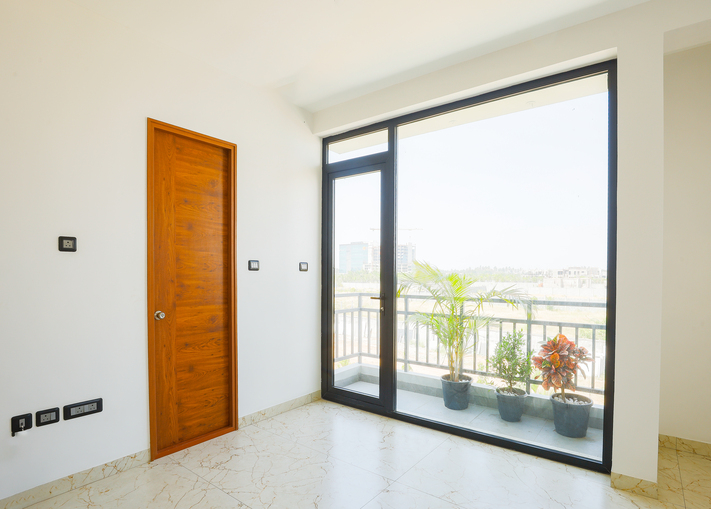
For balcony doors, garden-facing doors, and main entry doors, sealing quality directly affects comfort and maintenance. Premium sealing also protects interior finishes and reduces long-term repair issues.
Why Premium Doors Are The Right Choice?
Aluminium conducts heat easily. Without proper engineering, it allows external heat to pass into the home, especially during Indian summers.
Standard aluminium door systems often lack thermal insulation features. As a result, they may increase indoor heat levels and raise cooling requirements.
Premium aluminium door systems solve this issue through thermal break technology. A thermal break separates the inner and outer aluminium sections using an insulating material. This design reduces heat transfer and helps maintain a more stable indoor temperature.
In Indian climate conditions, thermal performance improves everyday comfort and reduces dependence on air-conditioning. Over time, it also contributes to better energy efficiency.
Acoustic Comfort: Reducing Everyday Noise
Urban noise has become a common concern in Indian cities. Traffic, construction, and neighbourhood activity often affect indoor comfort.
Standard aluminium doors offer limited sound insulation due to simple profiles and basic sealing. These doors allow external noise to pass through easily.
Premium aluminium door systems improve acoustic comfort by using better profile design, tighter sealing, and compatibility with laminated or acoustic glass. Together, these elements reduce sound transmission and create quieter indoor spaces.
Homes located near busy roads, commercial zones, or high-density developments benefit significantly from this improvement.
Size, Glass, and Design Flexibility
Modern homes increasingly prefer larger openings and better natural light. Aluminium door systems must support this shift without compromising safety or stability.
Standard aluminium doors limit door size and glass thickness. These limitations restrict design freedom and may force layout compromises.
Premium aluminium door systems support larger panels and thicker glass, including laminated and insulated units. Their strong profiles allow wider openings and taller doors without affecting performance.
This flexibility enhances aluminium door design by improving daylight, creating visual openness, and strengthening the connection between indoor and outdoor spaces.
Hardware and Locking Systems
Hardware quality affects how a door operates and how long it lasts. Standard aluminium doors usually come with basic locking mechanisms suitable for light use.
Premium aluminium door systems use advanced hardware, such as multi-point locking systems. These locks distribute pressure evenly across the frame, improving security and sealing.
High-quality hardware also ensures smoother movement, reduced wear, and consistent operation over time. This improves both safety and user experience.
Finishes and Surface Protection
The finish on an aluminium door protects it from corrosion, fading, and environmental damage. Standard finishes may perform well indoors but struggle outdoors.
Premium aluminium door systems use advanced powder coating or anodised finishes. These finishes resist UV exposure, moisture, and pollution better than basic coatings.
As a result, premium doors retain their appearance longer and require less maintenance, especially in exterior applications.
Installation Accuracy and System Integration
Proper installation plays a key role in aluminium door performance. Premium aluminium door systems allow precise installation through tighter tolerances and better adjustability.
These systems integrate smoothly with windows, facades, and interior finishes. Accurate installation reduces issues such as leaks, misalignment, and operational problems.
Standard aluminium doors, while easier to install, may not offer the same level of precision or long-term stability.
Performance Testing and Why It Matters
Premium aluminium door systems usually undergo performance testing for air leakage, water resistance, and structural strength. These tests confirm how the system performs under real conditions.
Tested performance data helps homeowners and architects compare aluminium door manufacturers more confidently. It also ensures the door delivers reliable results over time.
Standard aluminium doors may not always come with the same level of tested validation.
Conclusion
Premium aluminium door systems differ from standard options in engineering quality, performance consistency, and durability. They offer better sealing, insulation, security, and design flexibility, while standard systems meet basic functional needs.
Understanding these differences helps homeowners and professionals make the right decisions. Aluminium door manufacturers like Alteza focus on engineered aluminium door systems that support modern aluminium door design and perform reliably under Indian conditions.
The right aluminium door system delivers comfort, durability, and value when it matches its intended use, not just its price point.
Frequently Asked Questions
Q1. What is the main difference between premium and standard aluminium door systems?
A. The main difference lies in performance and construction quality. Premium aluminium door systems are engineered for better sealing, insulation, durability, and long-term usage, while standard options are designed to meet basic functional needs. Premium systems also support larger sizes, better hardware, and a more refined aluminium door design.
Q2. Are premium aluminium doors necessary for all parts of the home?
Premium aluminium door systems are most useful for exterior-facing doors, balconies, garden access, and high-use areas. For interior rooms or utility spaces with low exposure, standard aluminium doors are usually sufficient. The right choice depends on usage, location, and environmental conditions.
Q3. How do aluminium door manufacturers differentiate premium systems from regular ones?
Aluminium door manufacturers differentiate premium systems through stronger aluminium profiles, advanced sealing, thermal break technology, high-quality finishes, multi-point locking systems, and performance testing. These features ensure consistent performance, better comfort, and longer service life compared to standard options.
- A Beginner’s Guide to Modern Balcony Railing Design for Residential Buildings

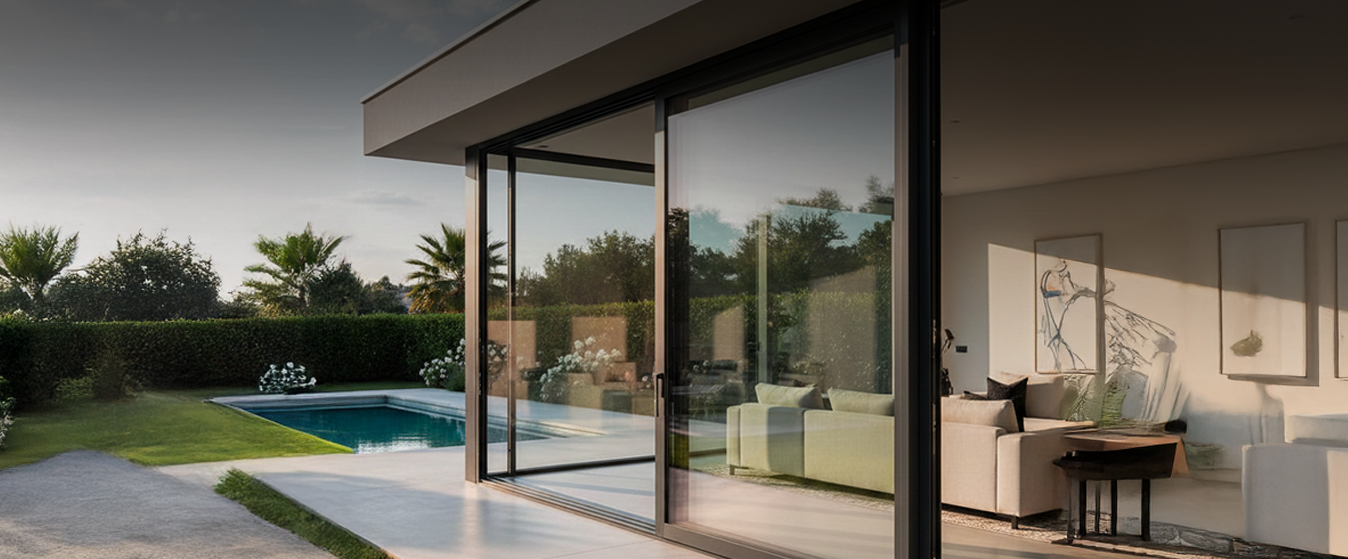
- Aluminium Lift and Slide Doors: Key Benefits for Modern Homes
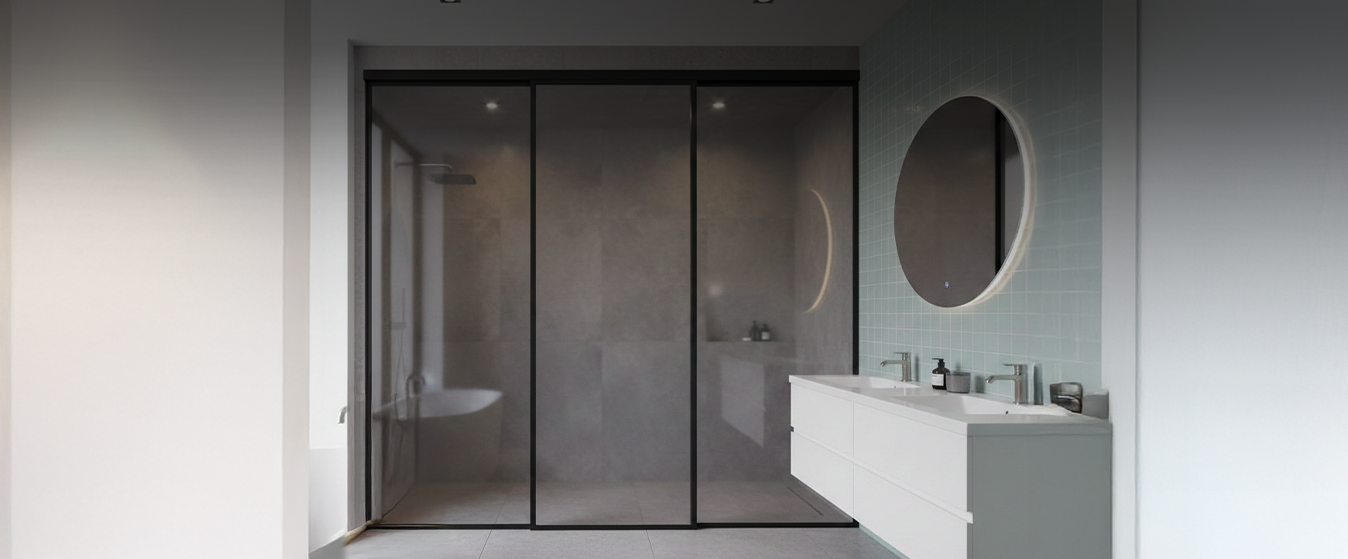
- Bathroom Aluminium Sliding Doors: Design Considerations for Moisture and Space Control
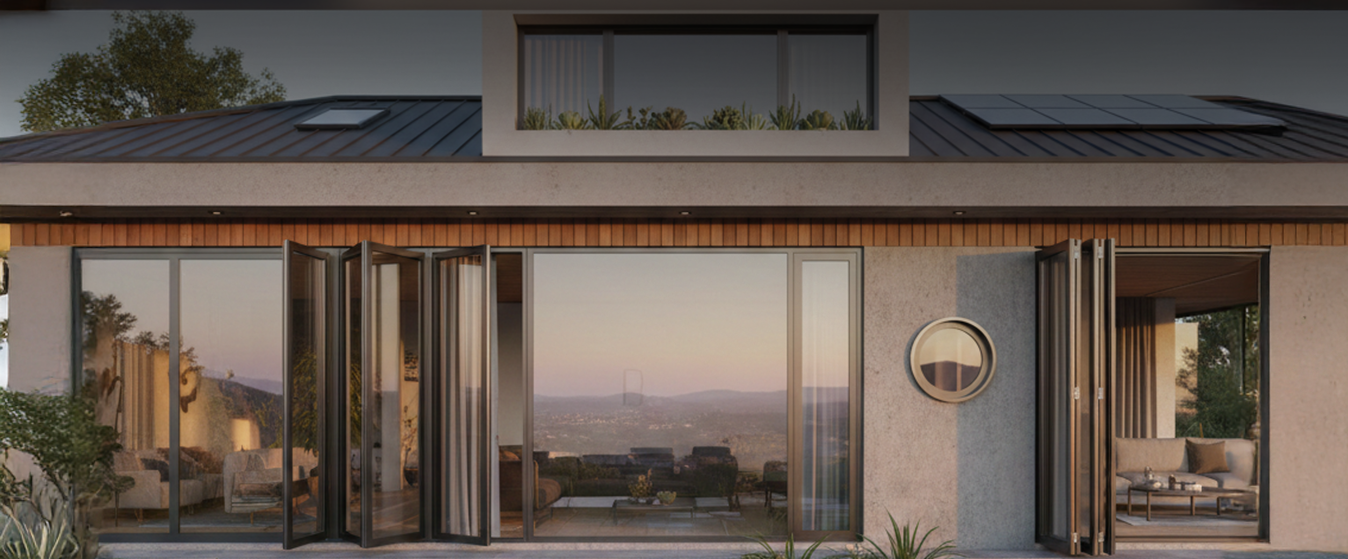
- 5 Different Types of Aluminium Windows for Homes: A Buyer’s Guide for 2026
- Planning Aluminium Windows and Doors at the Design Stage: What Most Homes Miss

Related Posts
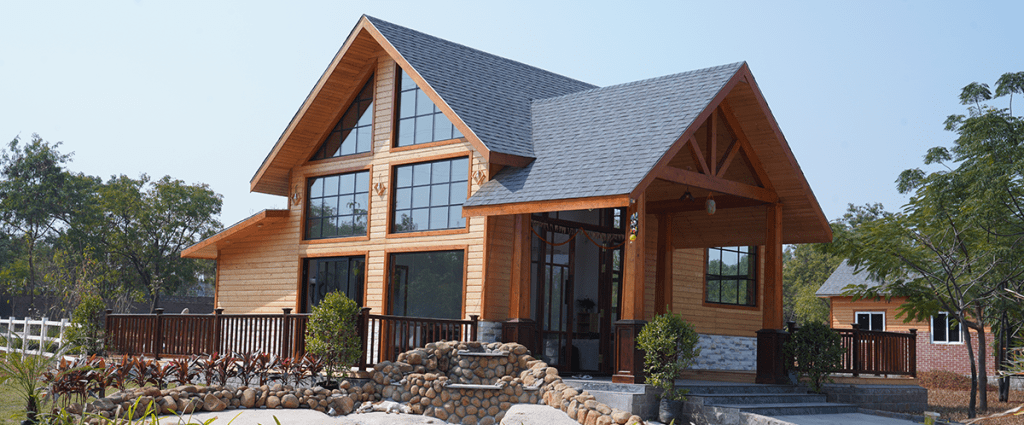
Alteza’s Villa Windows Are A Perfect Mix Of Style And Security
Each villa’s decor reveals a distinct story about the inmates’ interests and preferences. Windows are capable of adding the “wow” factor to your villa’s interior...
Aluminium Tilt and Turn Vs Casement Windows: Which to Choose
Compare aluminium casement windows with tilt & turn windows designs. Learn their features, pros, and best applications to choose the right window style for comfort,...

Luxury interiors: Pairing aluminum windows with wood finishes
Are you looking to add a touch of luxury to your interiors? Aluminum windows paired with wood finishes bring a unique blend of luxury and...

Why aluminium windows and doors are ideal for Indian homes
India’s harsh weather conditions, diverse landscapes, and unique functional needs call for careful consideration while selecting the materials to use in constructing your home. While...

Customization in aluminium windows and doors
In recent years, the popularity of aluminium windows and doors in the market has increased manifold. Buyers now have the option to choose from a...

Fixed vs. Operable Windows: Which Is Right for Your Home?
When it comes to selecting windows for your home, the choice between fixed and operable windows is pivotal. Both types offer unique benefits and can...