
7 Modern Balcony Railing Designs for Urban Living in 2026
January 29, 2026
Urban homes are getting smaller, and balconies are often poorly designed or treated as leftover spaces, which reduces comfort and visual appeal.
As homes become more compact and vertical, the design of a balcony plays a critical role in shaping both comfort and visual appeal. The balcony railing is one often overlooked element at the centre of this transformation.
A modern balcony railing design today does much more than provide safety. It defines openness, controls privacy, improves daylight, and matches the architectural language of the building. With new materials, advanced fabrication, and evolving lifestyle needs, balcony railings have become an integral part of urban home design.
This guide explores 7 modern balcony railing designs that are redefining urban living in 2026, balancing aesthetics, performance, and long-term practicality.
Why Balcony Railing Design Matters More in 2026?
Urban living comes with its own set of challenges. High-rise apartments, dense neighbourhoods, pollution exposure, and changing climate conditions demand smarter exterior solutions. Balcony railings, being the outermost interface between your home and the environment, are now expected to deliver far more than basic protection.
1. Safety
Safety remains the primary function of any balcony railing. Modern systems are designed to meet strict height, load, and impact standards while maintaining a visually light appearance. With families prioritising child safety and structural reliability, engineered railing systems using toughened or laminated glass and strong aluminium profiles have become the norm.
2. Visual Openness
In urban apartments, space perception matters. Heavy metal grills or opaque barriers visually shrink balconies and block natural light. Modern railing designs focus on transparency, slender profiles, and seamless installation to keep balconies feeling open and breathable.
3. Performance
Heat, monsoon rain, dust, and pollution can quickly degrade poorly chosen materials. This is why aluminium balcony railing systems and glass combinations are increasingly preferred as they offer corrosion resistance, durability, and consistent performance with minimal maintenance.
Design Principles Shaping Balcony Railings in 2026
Before exploring specific designs, it’s important to understand the principles driving modern balcony railing design trends this year.
Minimalism continues to dominate, but with purpose. Clean lines, concealed fixings, and seamless transitions are favoured over decorative excess. Mixed materials are gaining popularity, especially glass paired with aluminium, allowing designers to combine strength with visual elegance. Privacy is addressed thoughtfully through frosted, tinted, or patterned glass rather than solid enclosures, ensuring light and ventilation are never compromised.
1. Frameless Glass Balcony Railings for Seamless City Views
Frameless glass railings remain one of the most sought-after solutions for urban homes in 2026. Designed to minimise visual interruption, these systems use toughened or laminated glass panels fixed into concealed floor channels or slim base profiles.
The absence of vertical posts creates uninterrupted views, making balconies feel like natural extensions of the living room. This design is especially popular in high-rise apartments overlooking cityscapes, parks, or waterfronts. From a functional standpoint, frameless systems meet safety standards while maintaining a clean, contemporary aesthetic.
When paired with aluminium base profiles, these railings combine structural integrity with long-term durability. Maintenance is minimal, requiring only periodic cleaning to retain clarity.
2. Aluminium and Glass Hybrid Railings for Urban Homes
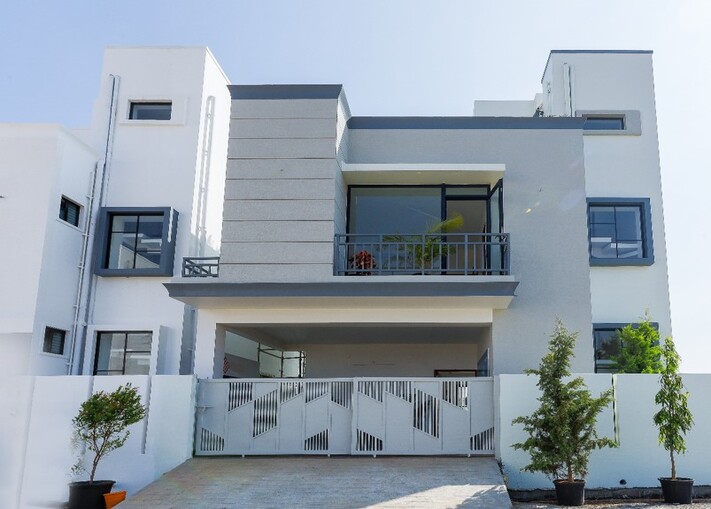
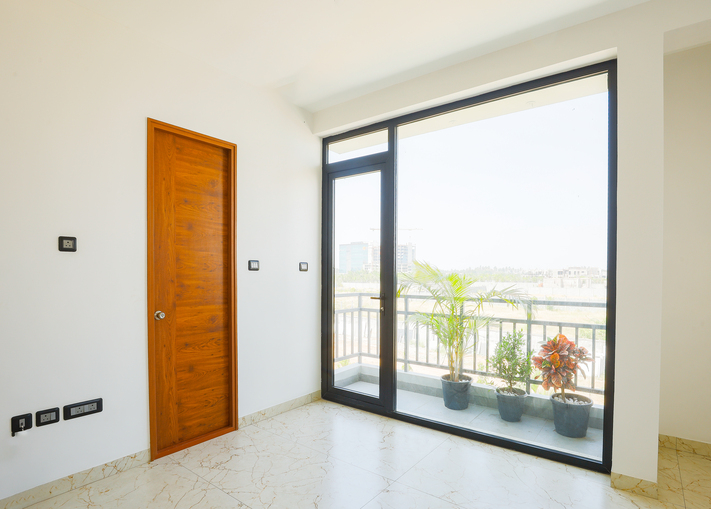
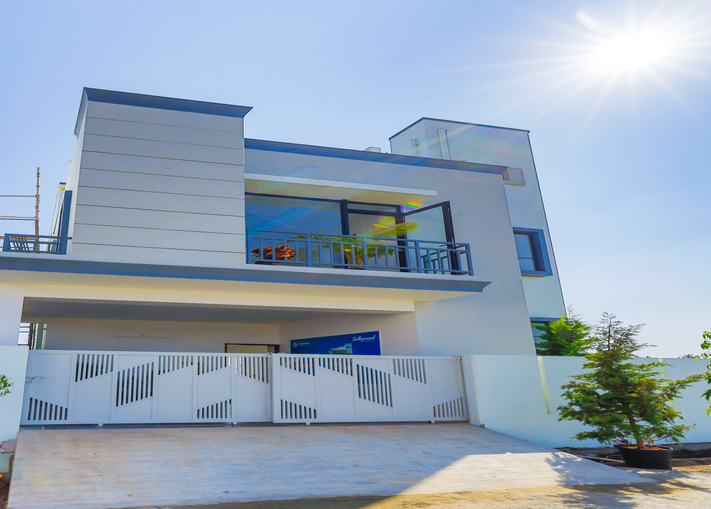
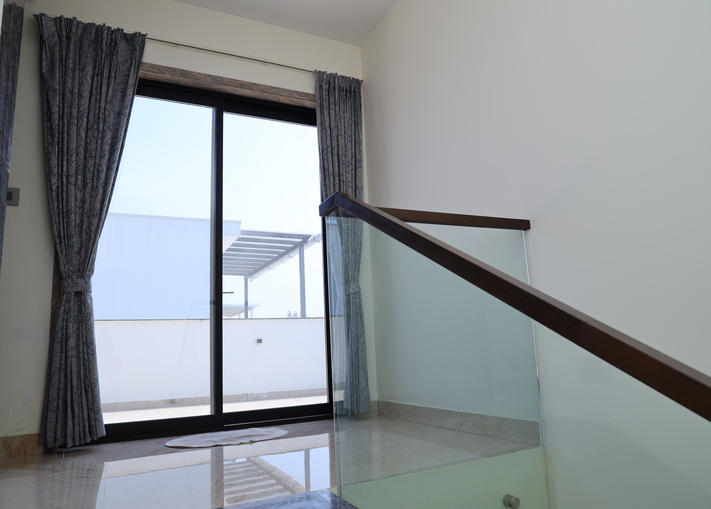
The combination of glass and aluminium has become a defining feature of modern balcony railing design. Aluminium glass railing systems use slim aluminium frames to support glass panels, striking a balance between openness and structure.
Aluminium is lightweight, corrosion-resistant, and ideal for Indian weather conditions. Powder-coated finishes allow for colour flexibility, enabling homeowners to match railings with window frames or facade elements. Glass panels can be clear, tinted, or frosted, depending on privacy and sunlight requirements.
This aluminium railing design is versatile, which is suitable for apartments, villas, and premium residential developments. It offers a refined look without the visual heaviness of traditional metal railings.
3. Tinted Glass Balcony Railings for Heat and Glare Control
As climate responsiveness becomes a key design consideration, tinted glass railings are gaining attention. Subtle tints help reduce solar heat gain and glare while maintaining transparency.
This solution works particularly well for west- or south-facing balconies that receive intense sunlight. Tinted glass adds a layer of comfort without compromising aesthetics, making it a practical choice for urban homes exposed to harsh daylight.
Paired with aluminium balcony railing systems, tinted glass creates a sophisticated, modern appearance while improving thermal comfort.
4. Frosted and Translucent Glass Railings for Privacy-Focused Living
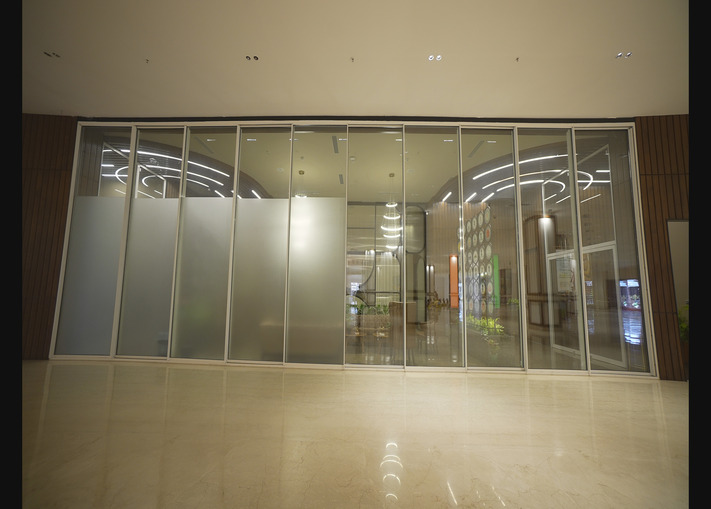
In densely packed urban environments, privacy is often a concern. Frosted or translucent glass railings offer an elegant solution by diffusing light while limiting direct visibility.
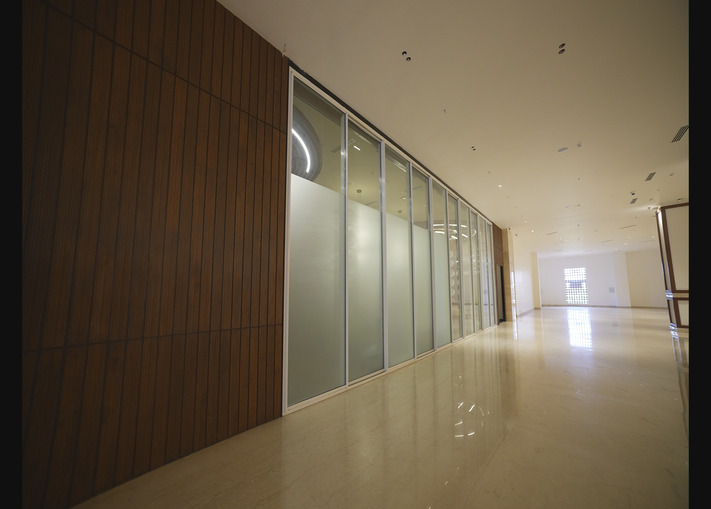
These designs are ideal for balconies that face neighbouring buildings or internal courtyards. The soft, matte finish allows daylight to filter through, preventing balconies from feeling closed off. Frosted glass also reduces the visual impact of clutter to give a calm and refined look.
When integrated into an aluminium railing design, frosted glass railings deliver both durability and understated sophistication.
5. Fritted and Patterned Glass Railings for Design-Led Facades
For homeowners and architects seeking a more expressive aesthetic, fritted or patterned glass railings offer creative freedom. Ceramic frit patterns are baked into the glass surface, providing privacy, shading, and visual interest.
These patterns can be geometric, linear, or custom-designed to complement the building’s architectural language. Beyond aesthetics, fritted glass helps reduce glare and solar heat gain, making it both decorative and functional.
Combined with aluminium framing, these aluminium glass railing systems are well-suited for premium residences where facade identity plays a significant role.
6. Linear Aluminium Railings for Clean Architectural Geometry
Linear aluminium railings focus on repetition, proportion, and simplicity. Horizontal or vertical aluminium slats create rhythm while maintaining openness, making them ideal for contemporary architecture.
This aluminium balcony railing style works well for both small and large balconies. Horizontal lines visually widen compact spaces, while vertical arrangements add height and structure. Powder-coated aluminium ensures longevity, colour consistency, and rust resistance.
Linear designs are particularly popular in urban developments where uniformity and architectural cohesion are important.
7. Curved Glass Balcony Railings for Fluid Urban Architecture
Curved balconies are becoming more common in modern residential design, and railing systems have evolved to match this fluidity. Curved glass railings soften rigid building lines and introduce a sense of movement.
These systems require precision engineering and careful installation but offer a distinctive visual advantage. Curved glass enhances spatial perception, making even smaller balconies feel more expansive.
When paired with custom aluminium profiles, curved aluminium glass railing systems deliver both structural performance and architectural elegance.
Choosing the Right Balcony Railing Design for Your Home
Selecting the right railing design depends on several factors. Apartments and high-rise homes require wind-load resistance and certified safety systems, while villas offer greater flexibility in material and detailing.
Small balconies benefit from transparent or slim-profile designs that enhance openness. Larger balconies allow for more expressive treatments, including patterned glass or mixed materials. Orientation also plays a role, such as sun-facing balconies may require tinted or fritted glass, while inward-facing ones can prioritise privacy.
Understanding how these factors interact ensures the chosen design enhances both usability and visual appeal.
Materials and Performance: What to Prioritise in 2026
Glass and aluminium continue to dominate balcony railing systems for good reason. Toughened and laminated glass offers strength and impact resistance, while aluminium provides a rust-free, low-maintenance framework.
Compared to traditional steel or wood, aluminium railing design solutions require significantly less upkeep and perform better in harsh urban environments. This makes them ideal for long-term residential use.
Common Mistakes to Avoid
Choosing aesthetics over safety, ignoring climate exposure, and over-designing small balconies are common pitfalls.
Another frequent mistake is compromising on installation quality.
Even the best materials fail without proper engineering and execution.
Conclusion
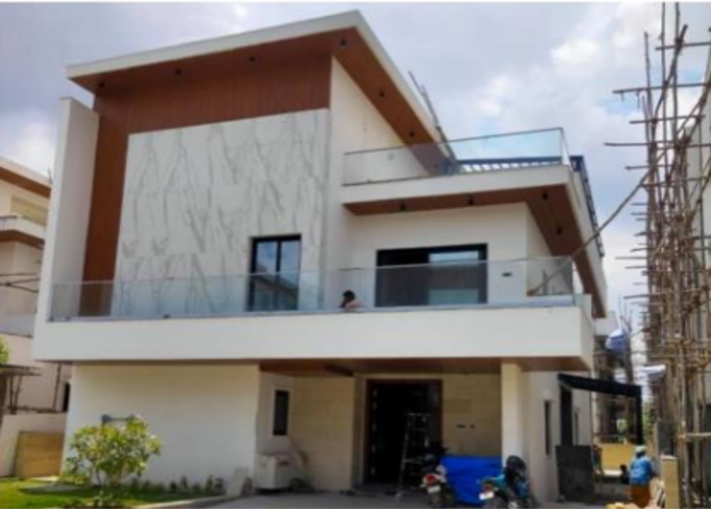
Balcony railings have evolved into essential architectural elements that influence safety, comfort, and visual identity. In 2026, modern balcony railing design is defined by transparency, durability, and thoughtful material choices. Whether it is a frameless glass system, a linear aluminium railing, or a refined aluminium glass railing combination, the right solution enhances everyday urban living.
Alteza’s balcony railing systems are designed with this future-focused approach, combining precision-engineered aluminium profiles, high-performance glass, and modern aesthetics suited for modern Indian homes. Built for both beauty and security, our solutions are designed to meet the demands of modern city living, today and tomorrow.
Discover modern balcony railing design trends for 2026 with glass and aluminium styles that improve safety, openness, privacy, and durability for urban and city homes.
- Why Aluminium Sliding Doors Are the Smartest Upgrade for Modern Homes
- Upgrade Your Home with Aluminium Windows and Mosquito Nets
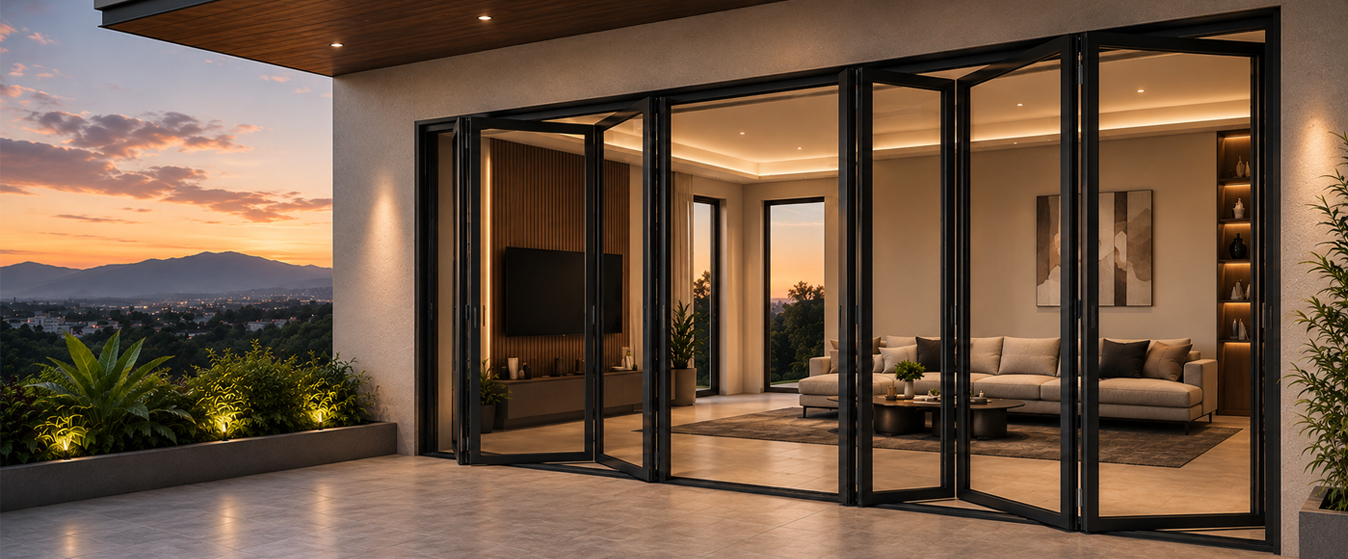
- Looking for the Perfect Aluminium Doors? Explore Best Designs
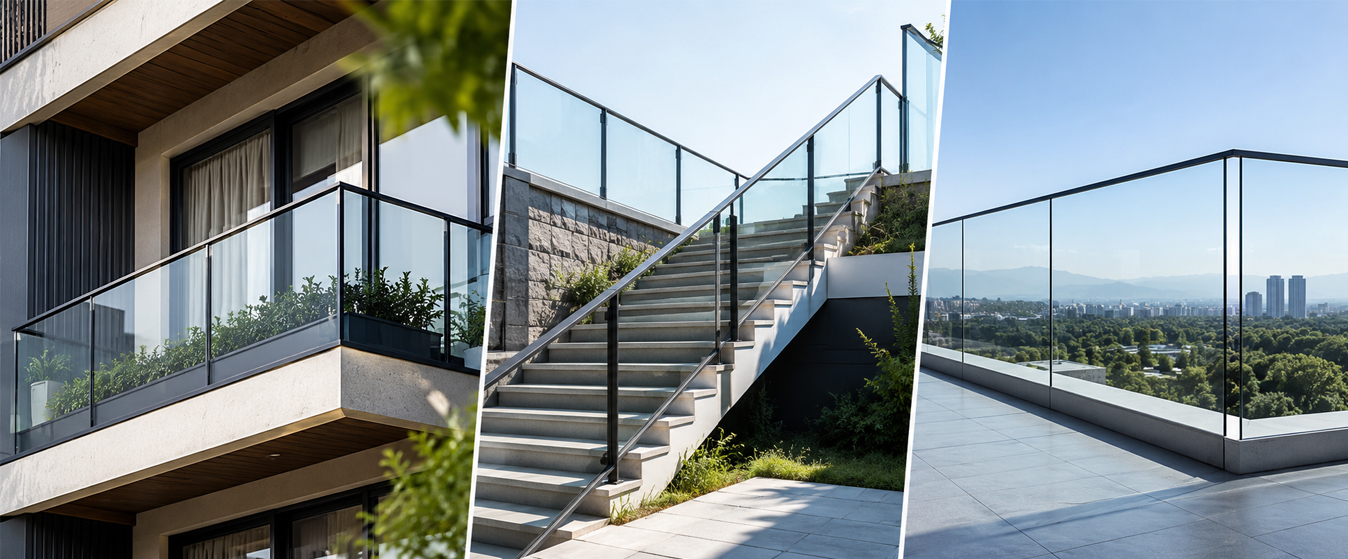
- 10 Modern Aluminium Glass Railing Designs for Balconies, Staircases & Terraces (2026 Guide)
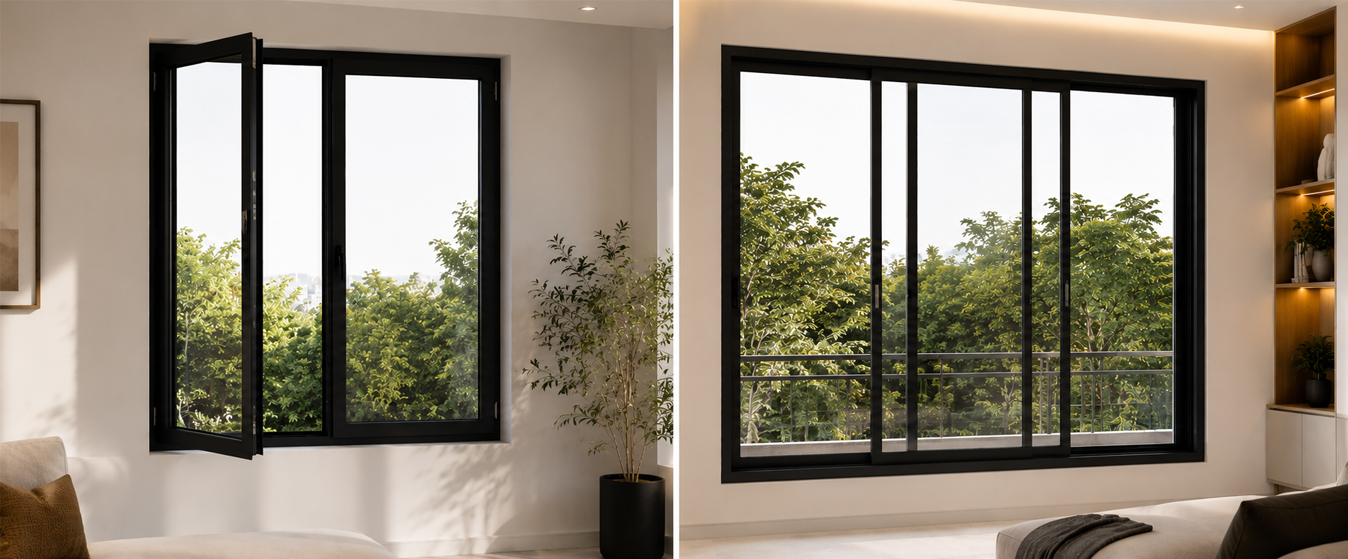
- Aluminium Casement Windows or Aluminium Sliding Windows: Which Suits Indian Homes?

Related Posts

Why Should You Choose Aluminium Windows Over Traditional Options?
Discover why aluminium windows are better than wood, steel, or uPVC. They are strong, durable, and stylish, perfect for modern Indian homes. They also offer...

Real-World Applications of Casement Aluminium Windows in Modern Homes
Upgrade your home with aluminium casement windows. Alteza, one of the Leading casement window manufacturers, provides durable, energy-efficient, and stylish Aluminium Windows.
Elevate Your Bathroom: Why Aluminium Doors Are the Best Choice
Your bathroom is a space that requires practicality, functionality and last but not the least some style. When it comes to choosing the right door...

How to Childproof Folding Sliding Doors for Family Safety ?
Creating a safe home environment is important for families. Childproofing areas such as aluminium sliding and folding doors can help prevent accidents. These doors are...

How to Maintain Aluminium Windows
While it is true that aluminium windows and doors are extremely durable and low-maintenance, the owners still need to ensure some cleaning and upkeeping to...

Everything You Need to Know Before Buying Aluminium Sliding Windows
Have you ever chosen windows because they looked beautiful, only to realise later that they don’t let in enough air or aren’t easy to use...