
Are Aluminium Doors Safe for Homes? Security Features to Look For: Locks, Glass, Frames
October 6, 2026
A door needs to close securely, withstand regular use and suit the requirements of the space. Aluminium doors are widely used in modern homes because aluminium offers strength, stability and design flexibility. However, the material alone does not determine security. The frame, locking system, glass, hardware and installation all contribute to how the door performs.
Here’s what homeowners should look for across each of these elements when choosing aluminium doors for home use.
How Secure Is an Aluminium Door?
Aluminium provides a strong and rigid base for residential doors. It remains dimensionally stable and does not swell or warp with moisture, helping the door maintain its shape during regular use and changing weather conditions.
Security depends on how the complete door system is specified. The frame, moving panel, lock, glass and hardware must suit the opening and its location.
A main entrance may have different requirements from a balcony or terrace door. An externally accessible opening needs particular attention to its locking system and glazing. The size and configuration of the opening also influence the components required.
The Role of the Aluminium Frame
The frame supports the glass, hardware and moving panels. Its profile needs to suit the size and configuration of the opening, especially when the design includes large panels or wide spans.
Aluminium combines strength with relatively low weight and remains dimensionally stable during everyday use. It also does not absorb moisture in the way some materials can.
Profile design affects both structure and appearance. Slim sightlines allow more glass within the opening, but the profile still needs to meet the structural requirements of the application.
For residential applications, homeowners should check the aluminium grade and profile specification rather than judging the frame by its appearance alone. 6063 T6 alloy, for example, is used for aluminium window and door systems.
What to Look for in Locks and Hardware?
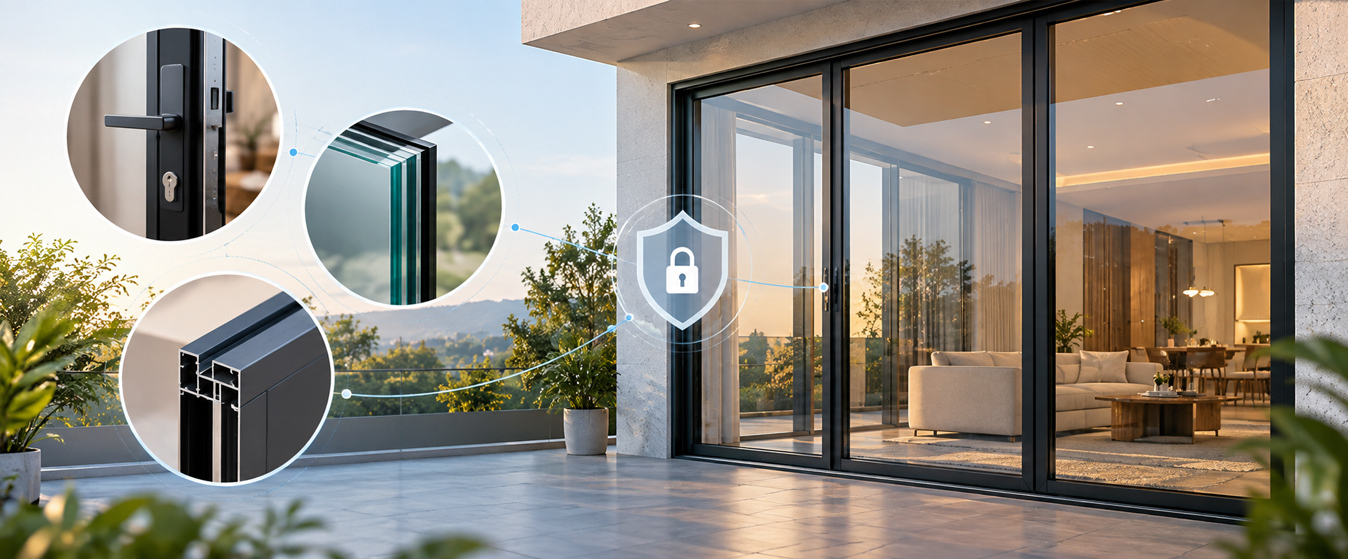
Good hardware helps an aluminium door close, lock and operate properly. Check these key features:
1. Multi-point locks
These locks secure the door at more than one point along the frame, giving the door a firmer closure.
2. Strong handles and lock cylinders
Choose hardware that is suitable for the door’s size, weight and everyday use.
3. Suitable hinges and strike plates
For hinged doors, these components should match the door system and support smooth, secure operation.
4. Quality rollers and tracks
For aluminium sliding doors, rollers and tracks should be designed to support the panel and allow smooth movement.
5. Correct alignment
The door should sit properly within the frame so the lock engages correctly when the door is closed.
Choosing the Right Glass for a Secure Door
Glass often covers a large part of an aluminium door, particularly in designs intended to bring more light into the home. Its specification therefore needs careful consideration.
Toughened glass undergoes heat treatment that makes it stronger than ordinary annealed glass. When broken, it is designed to fracture into smaller pieces rather than large, sharp shards, making it a useful safety choice for glazed doors.
Laminated glass consists of two or more glass layers bonded with an interlayer. If damaged, the interlayer helps hold the fragments together. It can therefore be considered where additional protection against impact or breakage is required.
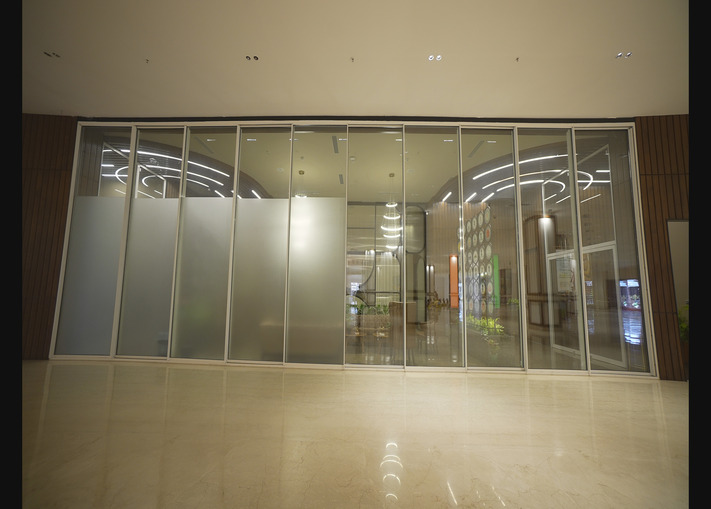
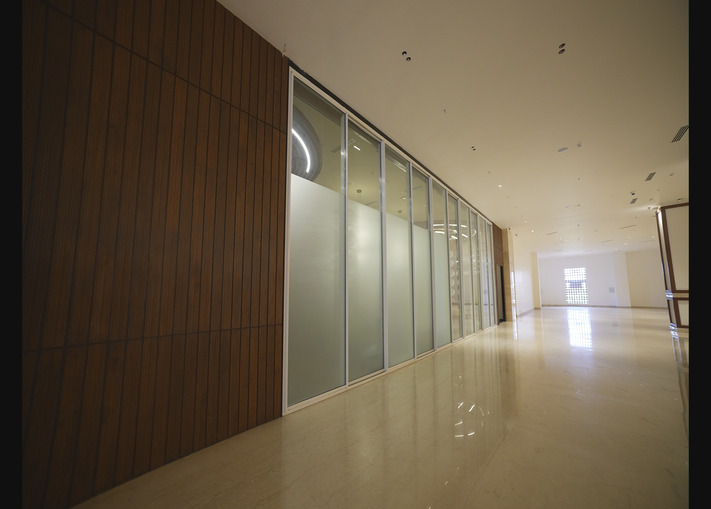
The appropriate glass depends on the door’s location, panel size, sunlight, privacy and safety requirements. It must also be compatible with the aluminium system, particularly for larger panels.
Safety and security are not the same. Glass designed to reduce injury when broken does not necessarily provide the same level of protection against forced entry. Both requirements should be considered when selecting glazing.
Does the Door Style Affect Security?
Door configuration determines which components need closer attention, but the style alone does not determine security.
Hinged aluminium doors depend on hinges, locking points, and the connection between the moving panel and frame. Correct alignment supports secure closure.
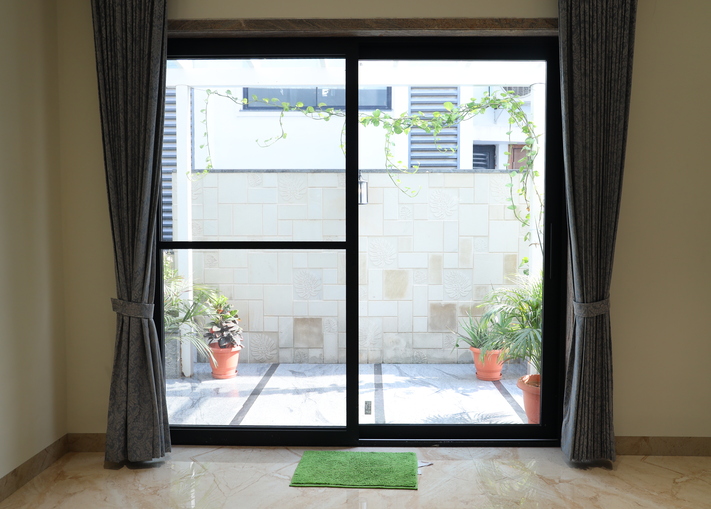
Aluminium sliding doors use tracks and rollers instead of hinges, making these components important alongside the locking mechanism. They suit large openings where a swinging door would require additional floor clearance.
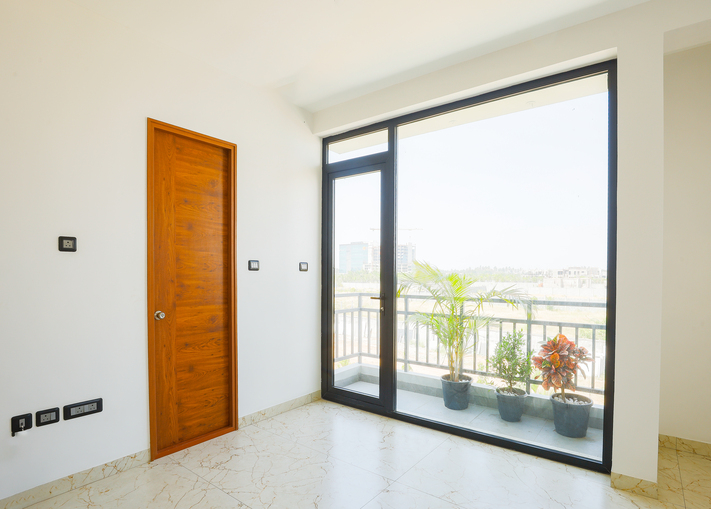
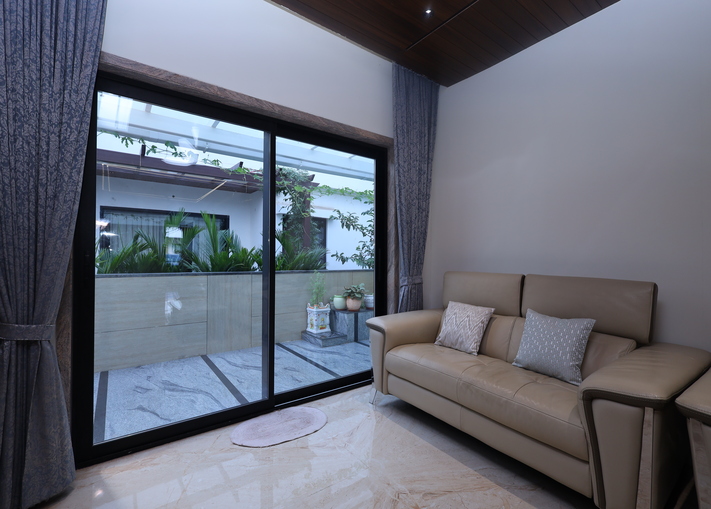
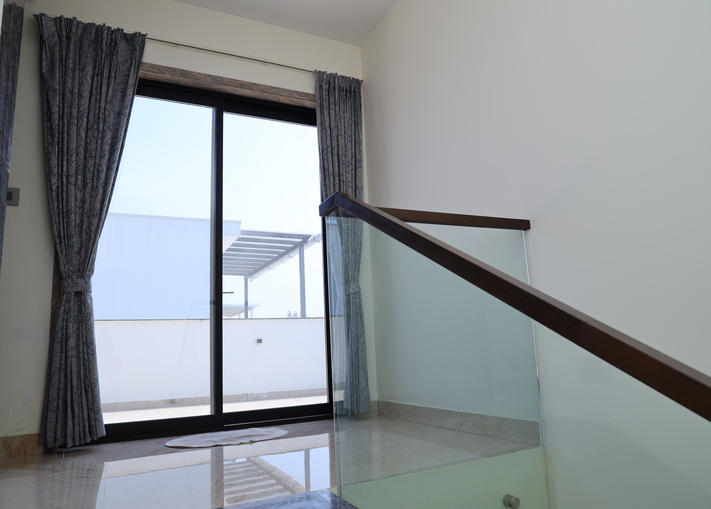
An aluminium sliding door for balcony applications can connect indoor and outdoor areas without using the floor space required by an outward-opening door. Bi-fold and lift & slide systems use multiple or larger moving panels, so their hardware and installation require appropriate specification.
Why Installation Should Not Be Overlooked
Installation affects how the door’s components work together. Incorrect alignment can prevent panels from closing properly or stop locks, hinges and rollers from operating as intended.
The process begins with accurate measurement. The frame must then be positioned and fixed correctly, followed by proper alignment of the panels and hardware.
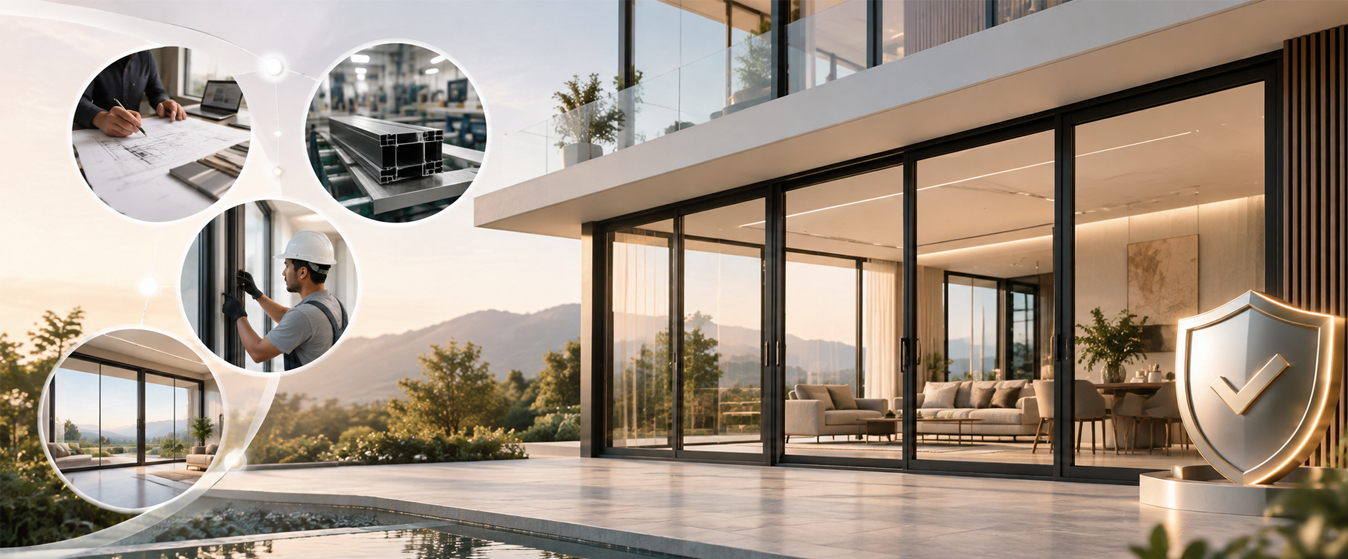
A complete installation process can include survey & design, fabrication & delivery, Installation & Maintenance, and post-sales service. Homeowners should check what is covered at each stage before finalising their door system.
Questions to Ask Before Choosing an Aluminium Door
Before selecting aluminium doors, homeowners can ask:
- What aluminium grade and profile are being used?
- Is the frame suitable for the opening?
- What locking mechanism is provided?
- How many locking points are included?
- What type of glass is specified?
- Is the hardware suitable for the door’s size and weight?
- How will the door be installed?
- What warranty and after-sales support are provided?
These questions help homeowners assess the complete door system rather than focusing only on its appearance.
Conclusion
The right aluminium door should match the space, opening size and everyday requirements of the home. As one of India’s leading aluminium window and door manufacturers, Alteza offers systems for modern residential spaces.
Contact us to find the right solution for your home.
FAQs
Q1. What doors are burglar-proof?
A. Doors with strong frames, secure locks, suitable glass, and quality hardware can offer better protection against forced entry. Proper installation also plays an important role in door security.
Q2. What is the best material for a security door?
A. The right material depends on where the door will be used and the level of security required. Aluminium is strong and durable, while the frame, locks, glass, hardware, and installation also affect security.
Q3. Are aluminium doors safe for homes?
A. Yes, aluminium doors can be a safe choice for homes. A strong frame, reliable locking system, suitable glass, quality hardware, and proper installation all contribute to better security.
- 10 Modern Aluminium Sliding Door Designs for Living Rooms, Balconies & Villas
- Double Glazing vs Single Glazing: Which Should You Choose for Aluminium Windows?
- Are Aluminium Doors Safe for Homes? Security Features to Look For: Locks, Glass, Frames
- Why choose Alteza Aluminium windows and doors? End-to-end service & 10 years of warranty
- 10 Best Roof Railing Design Ideas for a Modern & Royal Home



Related Posts

How do glazing doors differ from regular glass doors?
Both glazing doors and regular glass doors provide the elegance and functionality of glass, but their differences in composition, design, and purpose make each suited...
7 Things to Check Before Buying Aluminium Windows for Your Home
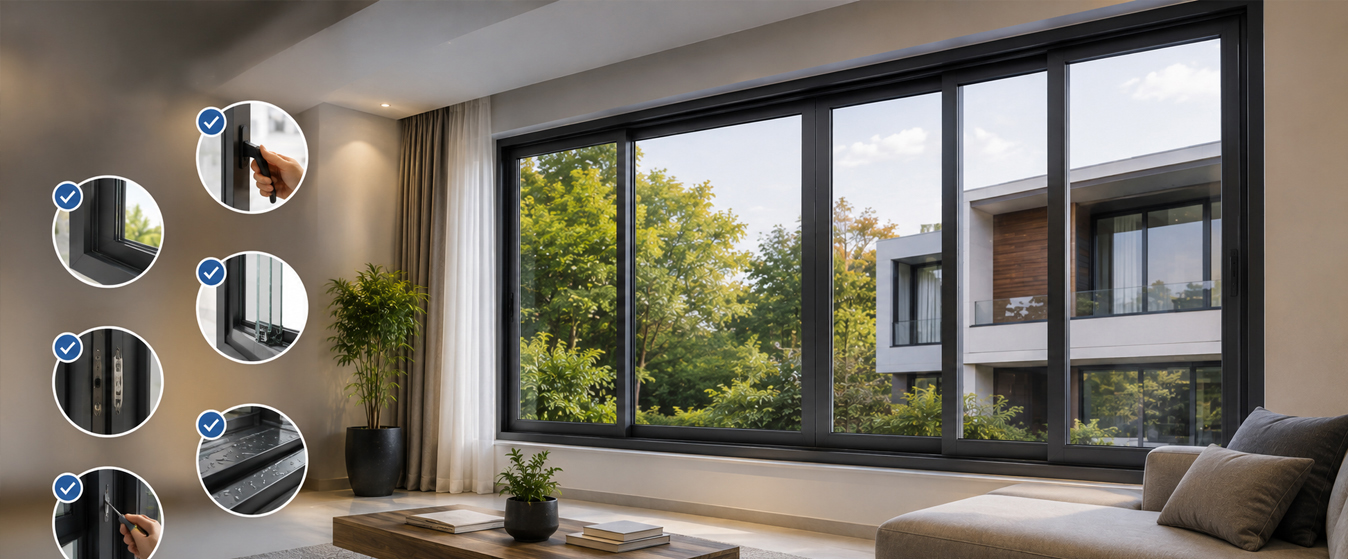
What should you check before buying aluminium windows for your home? The profile, glass, hardware, and sealing all affect how well a window performs. Looking...

What Factors Should You Consider When Choosing Aluminium Windows for Homes?
Choose the right aluminium windows for homes by understanding key factors like durability, insulation, design, weather resistance, and long-term performance benefits.
Top Aluminium Window Design Trends for Urban Apartments in 2025
From integrated grills to automation-ready systems, explore top aluminium windows design trends that redefine safety, space, and style for Indian apartment living.

Things to consider when buying aluminium doors and windows
Aluminium is extensively used by several doors and windows manufacturers because of its durability and strength. It is corrosion-resistant, lightweight and malleable, giving it an...

Why end-to-end support service matters in window installation?
Now-a-days, comfort and convenience is the standard criterion when opting for any service. Finding an aluminium windows and doors company which also provides excellent service,...