
A Simple Guide to Types, Uses, and What to Look For in Aluminium Doors for Your Home
June 26, 2026
Have you ever chosen a door because it looked great, only to realise later that it wasn’t practical for everyday use?
I used to think selecting a door was simple. Find a design that suits the interiors and move on.
Then I realised there’s more to it.
Some doors need frequent maintenance. Others take up valuable space every time they open. A few look impressive initially, but struggle to handle daily use and changing weather conditions over time.
That’s where aluminium doors stand out.
They aren’t popular just because they look modern. They bring in more natural light, require minimal upkeep, save space, and work well across different areas of the home.
If you are exploring aluminium door designs for a new home or renovation project, understanding the available options can help you make a better decision. In this guide, I will walk through the different types of aluminium doors, their uses, and the key factors to consider before choosing one.
What Are Aluminium Doors?
The simplest way I can describe aluminium doors is that they are designed to do more with less.
Aluminium doors use lightweight yet strong aluminium frames to support glass panels, solid panels, or a combination of both.
Their biggest advantage lies in their ability to combine durability with slim, modern profiles. Unlike many traditional materials, aluminium can support larger openings and wider glass areas without looking bulky.
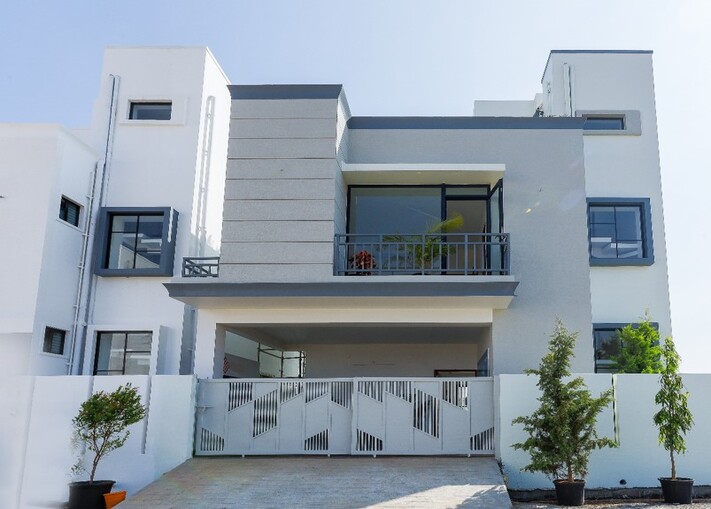
This versatility makes aluminium doors for home applications suitable for everything from balconies and patios to entrances and private terraces. For homeowners seeking a durable and low-maintenance solution, aluminium offers a practical balance of performance and design.
Why Are Aluminium Doors Becoming Popular in Modern Homes?
The growing preference for aluminium isn’t driven by a single feature. It’s usually a combination of several qualities that work together.
1. Slim Frames Create Larger Glass Areas
Natural light can completely alter the mood of a room.
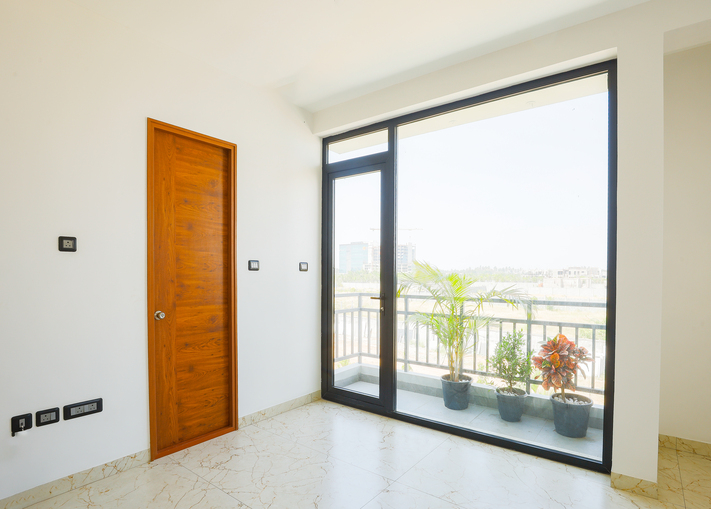
A space that feels enclosed during the day often becomes brighter and more inviting once larger glazed openings are introduced. Aluminium’s strength allows slimmer frames, which means more glass and fewer visual barriers.
The difference is noticeable. Living rooms feel more connected to balconies. Bedrooms receive better daylight. Outdoor views become part of the interior experience.
2. High Strength Without Excess Weight
Most people think that strength is about weighty materials and aluminium does not agree.
It’s not too heavy to handle large door panels but it’s not too light either. This helps to make the system run smoothly and helps to avoid unnecessary stress on hinges, rollers and other equipment.
The outcome is a solid looking door that is not overly heavy.
3. Strong Resistance to Weather Conditions
Anyone building or renovating a home in India understands how demanding local weather can be.
Heavy rainfall, humidity, intense sunlight, and seasonal temperature changes affect building materials differently. Aluminium performs well under these conditions because it doesn’t swell, crack, or corrode easily when properly finished.
That reliability becomes particularly valuable over time.
4. Minimal Maintenance Requirements
Maintenance isn’t something most homeowners look forward to.
Wood often needs periodic polishing or repainting. Other materials may require additional treatments to maintain their appearance. Aluminium keeps things simple. Regular cleaning and occasional inspections are usually enough to maintain both appearance and performance.
5. Design Flexibility
A small apartment is very different from a large villa. Some prefer a minimal style, others prefer a decorative one.
Modern aluminium door designs have both options. The material can be used in a variety of ways, so it won’t limit the designer’s creativity when it comes to architectural styles.
Different Types of Aluminium Doors for Homes
The best door choice often depends on how the space is used and what you expect from it.
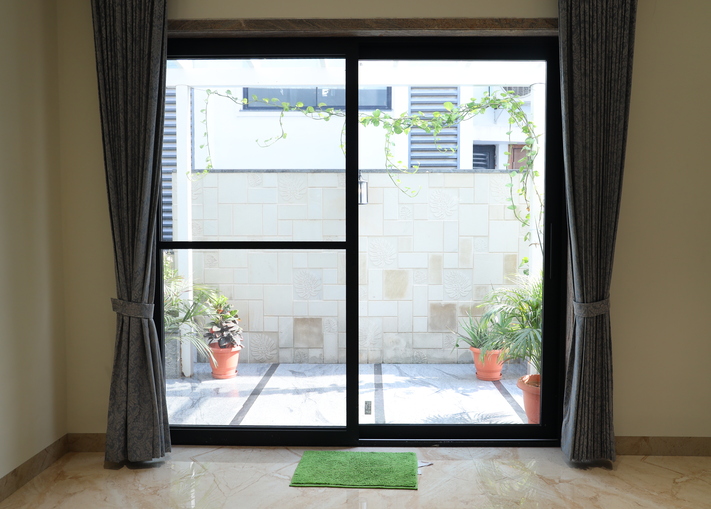
1. Aluminium Sliding Doors

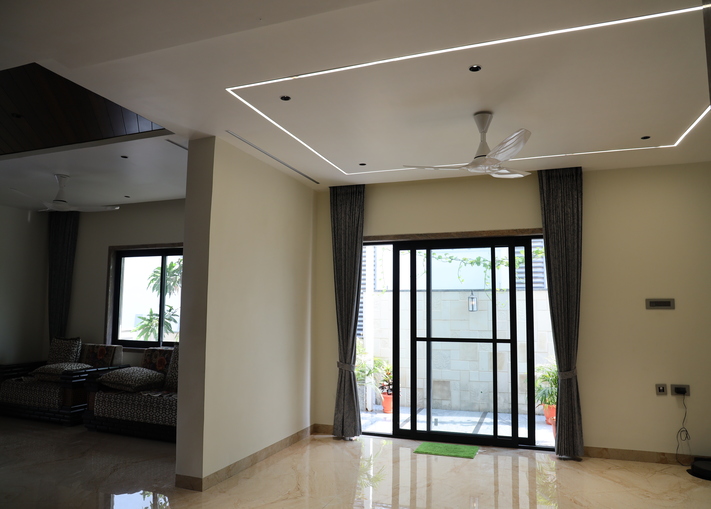
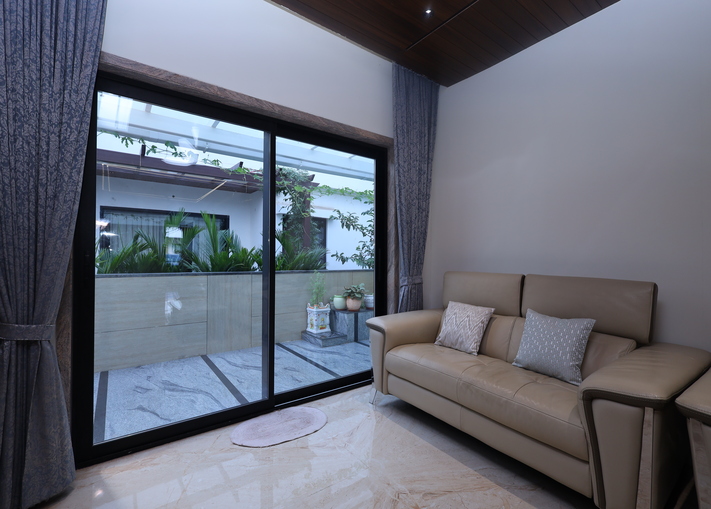
Sliding doors are often the first option people consider when exploring aluminium doors for home projects. They are easy to use and save space.
Instead of swinging inward or outward, the panels move horizontally along a track. That makes them ideal for balconies, patios, terraces, and compact areas where floor space is valuable.
There’s another advantage that shouldn’t be overlooked. Sliding systems usually accommodate larger glass panels, which allows more daylight to enter the home and creates a stronger visual connection with the outdoors.
2. Aluminium Casement Doors

Casement doors operate on hinges and open much like traditional doors.
Their familiar functionality appeals to homeowners who prefer a straightforward design without sacrificing modern performance.
I often find them suitable for side entrances, courtyards, gardens, and utility spaces. They provide good ventilation and remain easy to operate even after years of use.
3. Aluminium Folding Doors

Some homes benefit from flexibility more than anything else.
That’s where folding doors come into the picture.
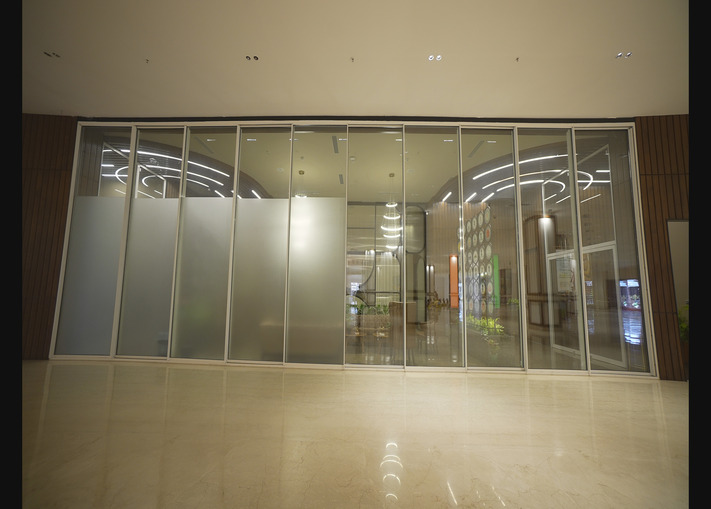
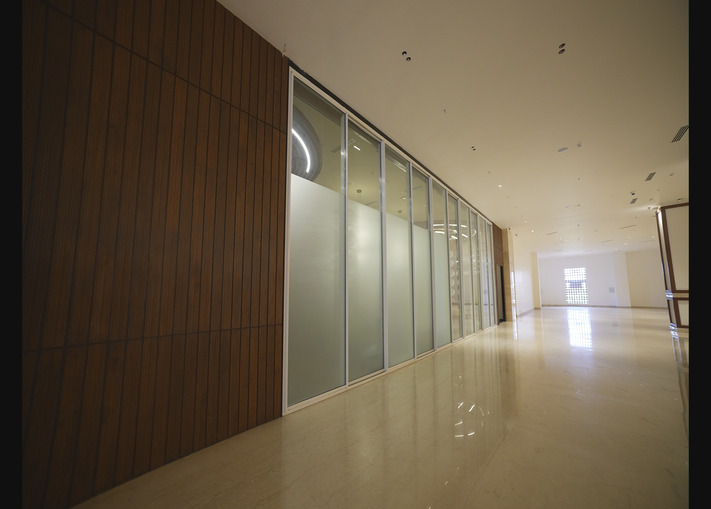
These systems consist of multiple panels that fold and stack neatly to one side when opened. The openings created can be surprisingly wide, making them an excellent choice for patios, entertainment spaces, and garden-facing areas.
When closed, they function like a conventional door system. When opened, they completely transform the space.
4. Aluminium French Doors

French doors bring a certain character that never seems to go out of style.
Their symmetrical appearance adds elegance without feeling overly decorative. Large glass panels allow natural light to enter while maintaining a sense of openness between indoor and outdoor spaces.
They are commonly used between living rooms and gardens, but they work equally well for balconies and private terraces.
5. Aluminium Lift-and-Slide Doors

Lift-and-slide systems are designed for larger openings.
The mechanism slightly lifts the panel before it begins sliding, reducing friction and allowing even substantial door panels to move smoothly.
Homeowners looking for expansive views often prefer this option. The design supports larger glass surfaces while maintaining effortless operation.
6. Aluminium Entrance Doors

The first impression of any house is through the main entrance.
Aluminium entrance doors are both durable and versatile in design. They can be used as glass panels, decorative pieces, textured finishes, or solid areas, depending on the design style of the house.
Security is always a key factor, and contemporary entrance systems are frequently coupled with their advanced locking mechanisms to improve security.
Quick Comparison of Aluminium Door Types
| Door Type | Best For | Space Requirement | Key Advantage |
| Sliding Doors | Balconies, patios, terraces | Low | Saves space while maximising views |
| Casement Doors | Gardens, side entrances | Moderate | Provides excellent ventilation |
| Folding Doors | Large openings, patios | Moderate to High | Creates a wide opening between spaces |
| French Doors | Living rooms, gardens | Moderate | Offers a timeless aesthetic |
| Lift-and-Slide Doors | Luxury homes, large openings | Low | Supports large glass panels smoothly |
| Entrance Doors | Main entrances | Moderate | Combines security and durability |
Where Can Aluminium Doors Be Used in a Home?
One of the reasons aluminium has become so widely adopted is its versatility.
The same material can serve very different functions depending on where it’s installed.
1. Living Rooms
Living rooms often benefit the most from larger openings.
Sliding and lift-and-slide systems help introduce natural light while creating a visual connection with balconies, decks, or gardens. The room feels larger without requiring any structural changes.
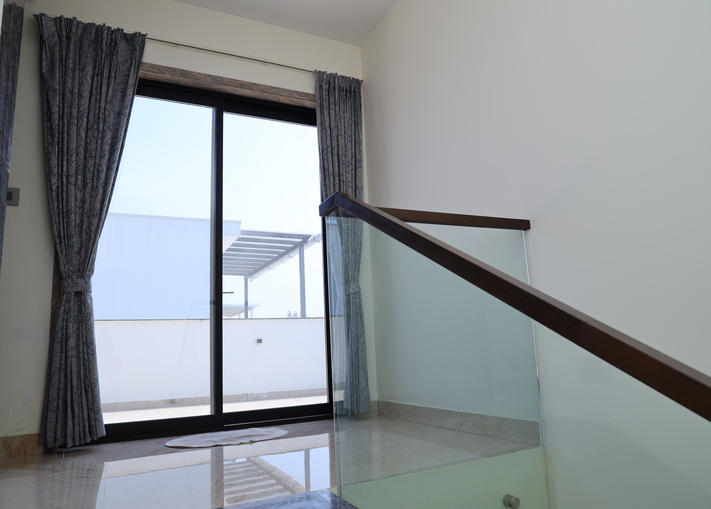
2. Balconies
Space is usually limited around balconies. So, sliding aluminium doors solve that problem neatly because they don’t need clearance space to operate. The result feels cleaner and more efficient.
3. Patios and Gardens
Patios work best when the transition between indoors and outdoors feels effortless.
Folding and French doors are particularly effective in these areas because they can open wider and encourage greater interaction between the two spaces.
4. Bedrooms
Bedrooms connected to balconies or terraces often benefit from larger glazed openings.
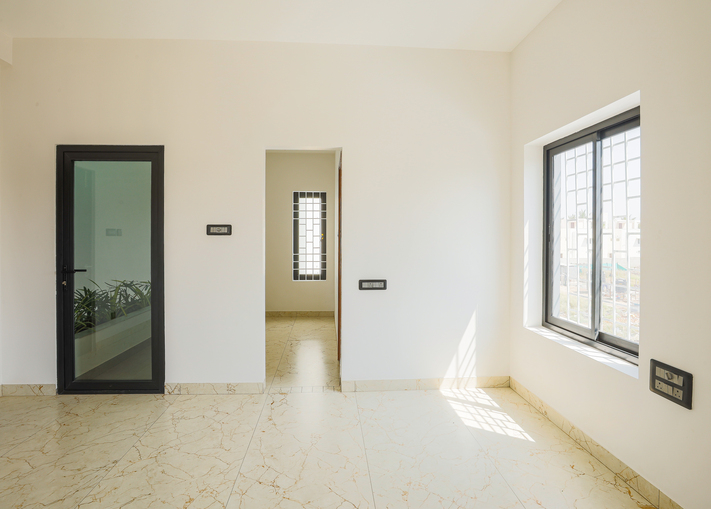
A thoughtfully selected aluminium door design for home bedrooms can improve daylight access while maintaining privacy and comfort.
5. Kitchens
Kitchens frequently connect to service areas, such as utility spaces or backyards.
Aluminium’s resistance to moisture makes it a sensible option for these locations, especially in homes where durability is a priority.
6. Home Offices
Natural light contributes significantly to comfort and productivity.
Many homeowners now prefer aluminium doors with larger glass sections for home offices because they create brighter environments without compromising aesthetics.
What Should You Look for When Choosing Aluminium Doors?
Selecting the right door involves more than choosing a design you like. Several practical factors influence long-term performance.
1. Door Type and Available Space
The selection should be influenced by the layout of the room.
Wherever you see a folding or casement window, perhaps a sliding window would be better suited, and vice versa. If you know how the space is used, it can help you to eliminate the choices quickly.
2. Quality of Aluminium Profiles
The profile is the main backbone of the whole system.
Well engineered sections will offer greater strength, stability and durability. This is particularly important with larger doors.
3. Glass Specifications
Glass contributes to both aesthetics and performance.
Depending on the location and requirements, homeowners may choose laminated, insulated, or specialised glazing solutions that improve safety, comfort, and energy efficiency.
4. Security Features
Good-looking doors should also offer a sense of security.
Multipoint locking systems, reinforced hardware, and quality components all contribute to better security without compromising on appearance.
5. Weather Performance
Exterior doors are subjected to a lot of environmental exposure.
Water ingress is prevented and air leakage is minimised due to weather seals, appropriate drainage and precision-engineered construction.
6. Thermal and Acoustic Comfort
Noise and heat can significantly affect everyday living.
Door systems that incorporate high-performance glazing and quality sealing help create more comfortable interiors throughout the year.
7. Finish and Colour Options
The finish influences both appearance and longevity.
Powder-coated aluminium is particularly popular because it retains colour well and offers excellent resistance to fading, peeling, and surface deterioration.
8. Hardware Quality
Even the best-designed door relies on quality hardware.
Handles, rollers, hinges, and locking mechanisms directly influence user experience. Investing in reliable hardware usually pays off over the long term through smoother operation and fewer maintenance concerns.
Wrapping Up
The right door serves more than just a transition from one space to another.
It affects the natural light, ventilation, comfort, and even the overall mood in a home. Based on my current thinking, it’s worth considering more than appearance and what the system will do over time.
The popularity of aluminium doors can be attributed to the qualities they offer. Whether it is a sliding system, a folding door, or a high-end lift and slide system, there is a solution for basically anything.
When considering aluminium doors for home projects, it is essential to educate yourself on the different options out there to ensure that you choose the right one so you will be happy with it for years to come.
We at Alteza create high-quality aluminium door systems featuring engineering accuracy and modern aesthetics. Our products are designed to make it easier for homeowners to create brighter, more comfortable, beautifully connected homes.
FAQs
Q1. Are aluminium doors a good choice for modern homes?
Yes, aluminium doors offer a combination of strength, durability, and contemporary design. Their slim frames support larger glass panels, allowing more natural light while requiring minimal maintenance compared to many traditional door materials.
Q2. Which type of aluminium door is best for balconies and patios?
Sliding aluminium doors are commonly used for balconies and patios because they save space and provide wider outdoor views. For larger openings, folding and lift-and-slide doors offer greater flexibility and a stronger indoor-outdoor connection.
Q3. What should I consider before choosing an aluminium door design for my home?
Consider the available space, door configuration, profile quality, glass specifications, security features, weather resistance, and hardware quality. Choosing the right combination helps ensure better performance, durability, and long-term comfort.
- A Simple Guide to Types, Uses, and What to Look For in Aluminium Doors for Your Home
- Everything You Need to Know Before Buying Aluminium Sliding Windows
- 7 Key Benefits of Installing Aluminium Doors for Modern Homes
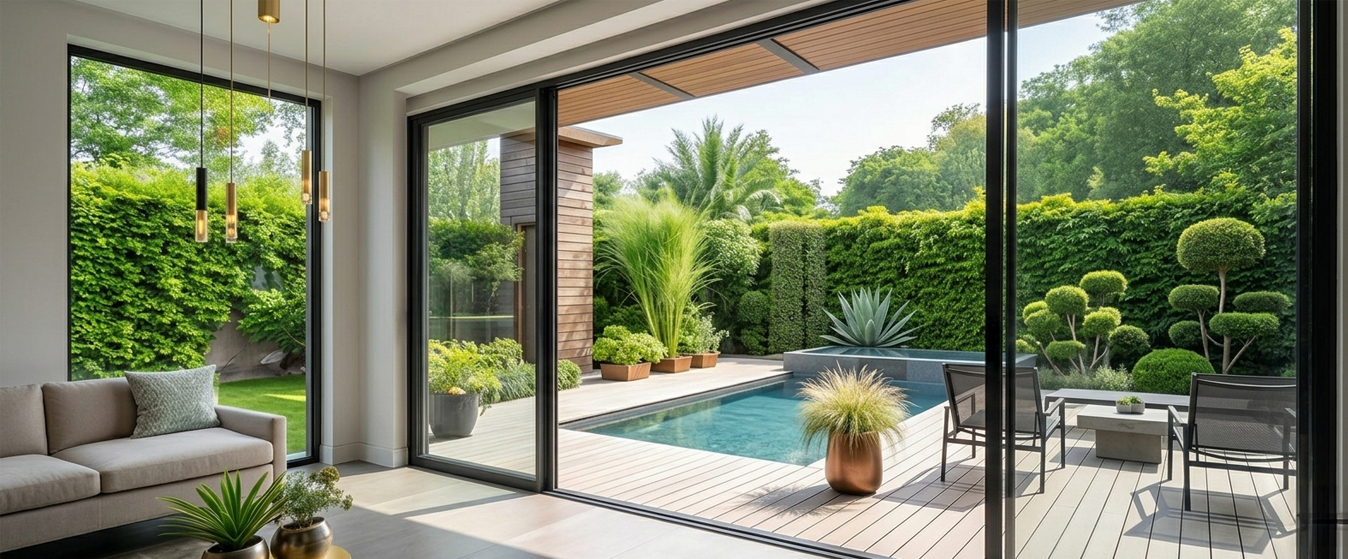
- How to Choose the Right Sliding Door Design Based on Style, Material, and Size for Your Space?
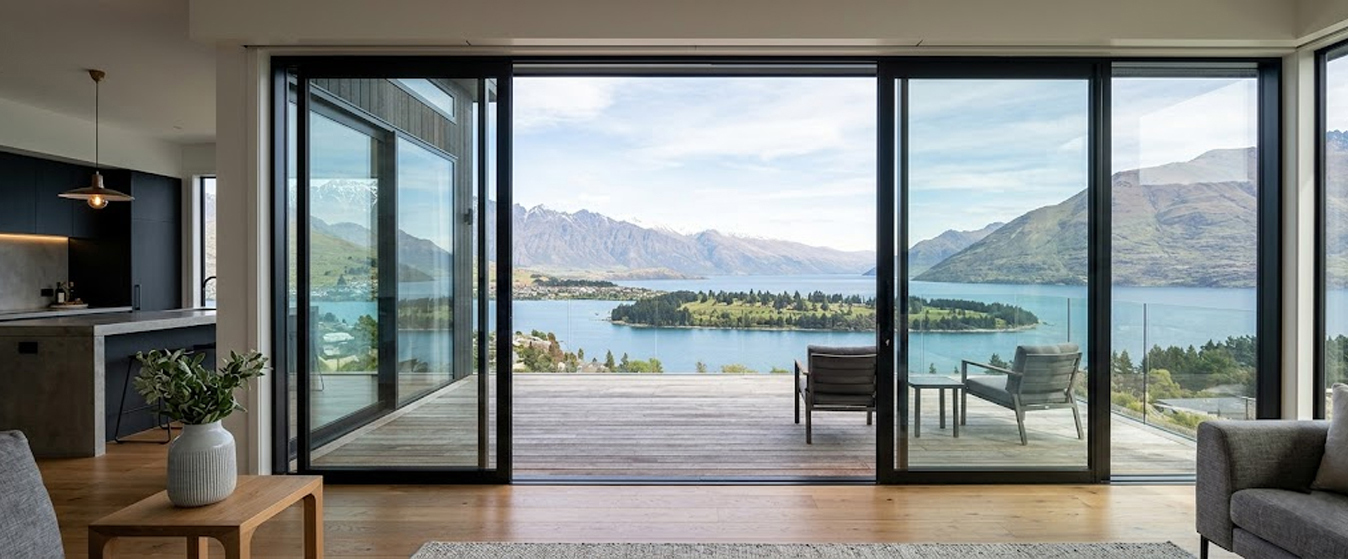
- Aluminium Fixed Windows: Benefits, Use Cases, and Why They Work Well in Modern Home Design
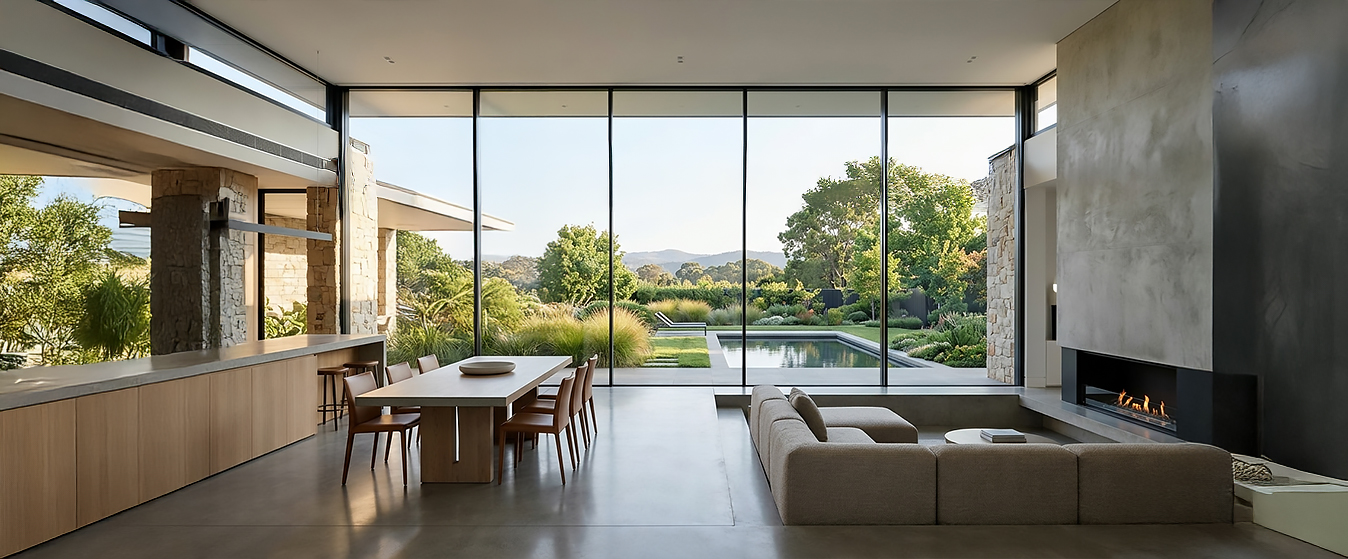


Related Posts

Why aluminium windows and doors are ideal for Indian homes
India’s harsh weather conditions, diverse landscapes, and unique functional needs call for careful consideration while selecting the materials to use in constructing your home. While...

How to Keep Your Home Noise Free in the Rain?
For quieter rooms in the monsoon, choose Alteza aluminium window systems with laminated glass and IGUs. Recognised among the best aluminium window brands in India...

uPVC vs. Aluminium Windows: Which One is Right for Your Space?
When it comes to choosing the perfect windows for your space, the decision often boils down to two popular materials: uPVC and aluminium. Both offer...

Aluminium Lift and Slide Doors: Key Benefits for Modern Homes
Aluminium lift and slide doors offer smooth operation, wide openings, natural light, and seamless indoor-outdoor flow, enhancing modern homes with style and functionality.

Why coloured aluminium windows and doors are catching on
Whether you are building a new space or renovating an old one, colours can play an incredible role in transforming the visual appeal of a...

Different types of aluminium windows available
Today, more than ever before, you have a wide range of window types to choose from. With the option of customization available to you, your...