
How to Choose the Right Sliding Door Design Based on Style, Material, and Size for Your Space?
June 9, 2026
Ever see a door that slides and thought, “I like this, but I wonder if this will fit in my home?
This is where most end up getting stuck.
What works well in one home might not work well in another. The dimensions might not match those of the room. The design may not match the interiors. In some instances, homeowners discover that they simply selected a door for its appearance, without thinking about all the other details.
This is typically disappointing. The space doesn’t feel the way they hoped. It could not be sufficient to let sunlight into the room, or it might detract from the overall style of the space, or it may just feel like it’s not at home.
The thing that is nice is that it’s not as difficult to select the appropriate sliding door as it might seem. Once you know what you are looking for, comparing them is far easier. The three most important things are style, material, and size. If you get these correct, you have a much better chance of picking a door that looks great, functions properly and seamlessly fits your door opening.
Why Choosing the Right Sliding Door Design Matters?
A sliding door is more than just a door that slides.
It has an impact on each day in a room. The right door can enlarge a small space, allow more light to enter and offer a stunning view to the outdoors. However, a poor selection can create a closed, awkward or out-of-place feeling in a space.
People put many weeks into selecting furniture, wall colors and flooring in their homes. The door is often an afterthought. The latter is not the normal way to do it.
Consider a balcony door on a high rise apartment. If the frame is large, then you can’t see part of the view. If the opening is too small, it is as if the space is restricted to maneuver in. For materials that don’t perform well in the local climate, maintenance is a frequent task.
Getting your sliding door design right means it works not just for your interiors, but for lifestyle as well.
Choosing the Right Sliding Door Material
Material is so much more than aesthetics.
It affects the durability, maintenance, performance and even the size of door panels that can be installed.
Aluminium
The reasons why aluminium is one of the most popular options for today’s homes are there for a reason.
Powerful yet very elegant.
This power enables makers to make frames that are thinner yet more able to sustain bigger glass panels. The end result is a cleaner look and view.
Aluminium sliding doors are not prone to warping with the change of weather. Resists heat, rain and humidity and is suitable in many parts of India.
Another is ease of maintenance. Most homeowners want something that won’t require much maintenance. Aluminium does that well.
Glass Selection
The glass is just as important as the frame.
- Clear glass works well when you want maximum light and uninterrupted views.
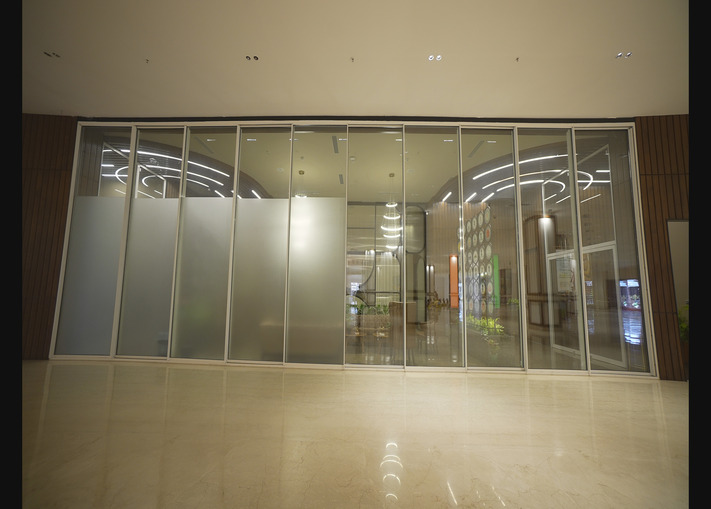
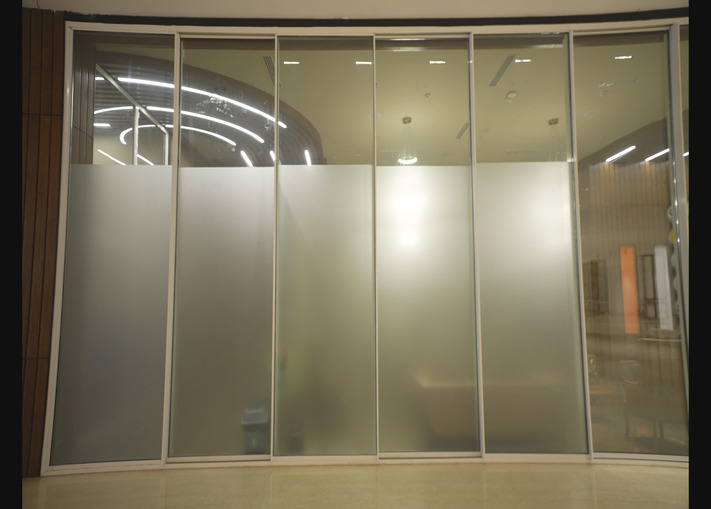
- Frosted glass is useful where privacy matters, such as bathrooms or certain indoor spaces.
- Tinted glass can help reduce glare while adding a more refined appearance.
The right choice depends on how the room is used and how much privacy you need.
Other Materials
- uPVC remains a popular option for many residential projects. It offers good insulation and can work well for standard-sized openings.
- Wood continues to appeal to homeowners who prefer a traditional look. However, it generally requires more maintenance compared to modern alternatives.
For homeowners looking for a balance of durability, appearance, and long-term value, aluminium sliding doors often prove to be the practical choice.
How to Select the Right Sliding Door Size for Your Space?
Size is one of the most important considerations when choosing a sliding door.
The dimensions of your opening influence not only appearance but also functionality, ventilation, and ease of movement.
For Small Spaces
Compact rooms often benefit from simple two-panel systems.
These configurations are ideal for:
- Bedrooms
- Small balconies
- Utility rooms
- Study areas
Because they slide horizontally rather than swinging open, they preserve valuable floor space.
For Medium-Sized Areas
Living rooms and dining spaces often require wider openings that allow better movement between indoor and outdoor environments.
Three-panel or wider two-panel systems can create a balanced combination of accessibility and visual appeal.
For Large Openings
Large homes frequently feature expansive openings that demand larger door systems.
Multi-panel sliding configurations can span impressive widths while maintaining smooth operation. These systems are particularly effective in villas and premium residences where uninterrupted views are a design priority.
Floor-to-Ceiling Designs
Floor-to-ceiling sliding doors have become increasingly popular in contemporary architecture.
Their benefits include:
- Enhanced natural light
- Improved visual openness
- Stronger indoor-outdoor connection
- Greater sense of luxury
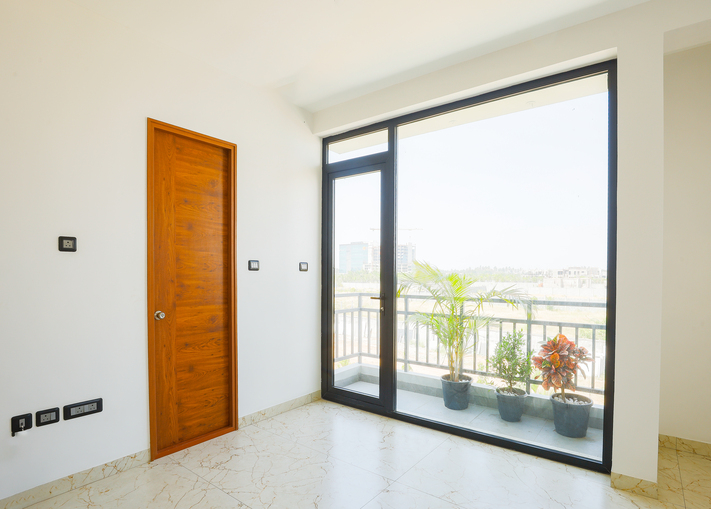
When paired with slim aluminium frames, they can dramatically transform the look and feel of a space.
Understanding Different Sliding Door Configurations
It is important to be aware of the various sliding door configurations.It’s essential to know about the different types of sliding door configurations.
1. Two-Panel Sliding Doors
This is the typical configuration.
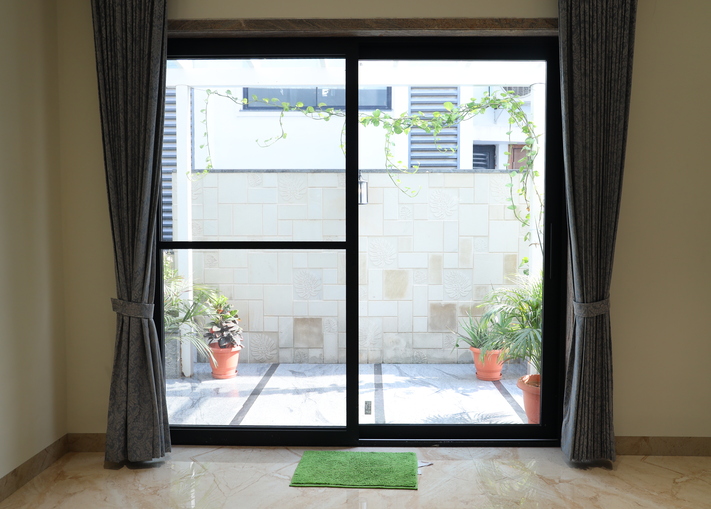
Usually, one panel will be stationary, while the other panel will slide open. These systems are suitable for typical residential applications and provide an adequate level of cost/effectiveness.
2. Three-Panel Sliding Doors
Three-panel systems offer greater glass content and larger openings.
They are frequently found in rooms with vistas of gardens, patios, or balconies.
3. Four-Panel Sliding Doors
Four panel systems make for a grand opening in larger homes, but are still neat looking.
They are particularly well-suited for use in high-end homes where maximizing sightlines is a high priority.
4. Pocket Sliding Doors
Pocket doors open into a hidden space in the wall.
The door is fully retractable so that, when opened, it is invisible and creates a great space saver.
5. Lift-and-Slide Systems
Lift and slide doors are designed to fit larger panels and high quality applications.
The lifting mechanism minimizes friction during operation, enabling oversized glass panels to move smoothly without being unduly affected by their weight.
These systems also offer better weather sealing and performance.
6. Multi-Slide Systems
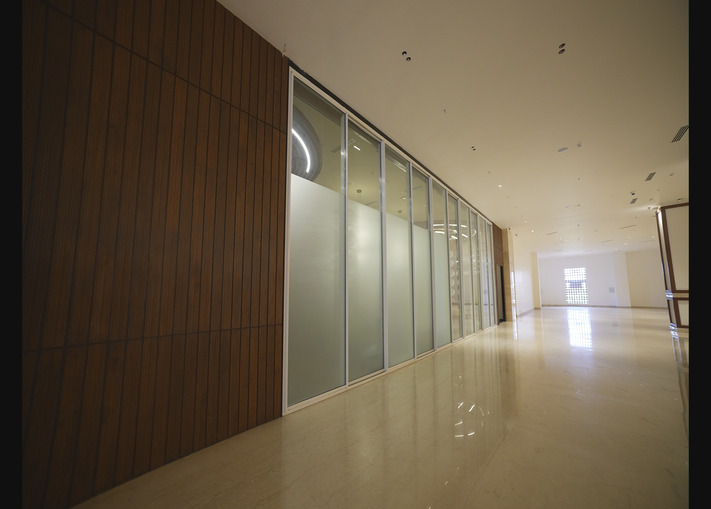
Multi-slide doors are made of multiple panels that slide or stack inside pockets.
They offer dramatic entrances and are perfect for homeowners wanting to enjoy a great indoor/outdoor experience.
Key Performance Features to Consider Before Buying
1. Natural Light
Most homeowners choose sliding doors because they want brighter interiors.
Larger glass areas help reduce dependence on artificial lighting during the day and create a more pleasant living environment.
2. Energy Efficiency
Good doors should help maintain indoor comfort.
The right glass selection can reduce heat gain and improve overall performance, especially in regions that experience long summers.
3. Security
Security should never be overlooked.
Look for strong locking systems, quality hardware, and toughened glass wherever possible.
4. Smooth Operation
A sliding door design should move easily every time you use it.
Good rollers, quality tracks, and precision engineering make a noticeable difference over the years.
5. Weather Resistance
Doors exposed to wind, rain, and dust need to perform consistently.
Choosing a well-engineered system helps prevent common issues and contributes to long-term reliability.
Choosing Sliding Doors Room by Room
Different rooms have different requirements.
1. Living Rooms
Living areas usually benefit from larger openings and wider glass panels.
The goal is often to bring in more light and make the space feel connected to the outdoors.
2. Bedrooms
Privacy becomes more important here.
The right combination of glass and frame design can provide both comfort and functionality.
3. Dining Areas
Sliding doors work particularly well in dining spaces that open onto balconies, patios, or gardens.
They make gatherings feel more relaxed and open.
4. Home Offices
Natural light can improve the overall atmosphere of a workspace.
A well-positioned sliding door helps create a brighter and more comfortable environment.
5. Kitchens and Utility Spaces
Compact aluminium sliding door designs often work best in these areas because they save space and allow easier movement.
Quick Checklist Before Finalising Your Sliding Door
Before you decide which one to use, consider the following questions:
- Is the design appropriate to the overall style of your home?
- Is the material suitable for your local climate?
- Is the size appropriate for the space?
- Have you chosen the right type of glass?
- Is the security level satisfactory?
- Will the door be simple to keep looking after?
- Do you use the hardware on a regular basis?
Just a few minutes to answer these questions can save you the headache and expense of making the wrong moves later on.
The answers to these questions can help to make a successful investment.
Final Thoughts
The selection of the proper style, material and size of sliding doors is essential in the design process. Although appearance is important, other considerations that dictate long-term satisfaction are durability, energy efficiency, security and functionality.
Today, sliding aluminium doors combine strength, elegance and performance in a perfect way. They have a minimal profile, can support large glass panels and are low maintenance, which is why they are a popular option for modern homes.
For those seeking to enhance smaller rooms with a sense of grandeur or those aiming to create a grand opening in larger spaces, it’s crucial to work with an aluminium sliding doors manufacturer with proven expertise.
As a leading aluminium doors brand, Alteza offers thoughtfully engineered aluminium door systems that combine modern aesthetics, superior performance, and lasting durability, helping homeowners create brighter, more connected, and more stylish living spaces.
FAQs
Q1. How do I know what size sliding door I need?
A. Measure your wall opening first, both width and height. Then think about how much opening you want for movement and light. Small rooms suit 2-panel doors, while bigger spaces can take wider multi-panel sliding door setups.
Q2. What is the best material for a sliding glass door?
A. Aluminium works best for most homes. It stays strong, does not bend easily, and supports large glass panels with slim frames. It also handles heat, rain, and daily use well, so maintenance stays low and life is long.
Q3. How much space is needed for a sliding door?
A. You don’t need extra swing space for sliding doors. They move on a track sideways. Just keep space for the frame and panel movement. Even small rooms can fit them if the wall opening is planned properly.
- Double Glazing vs Single Glazing: Which Should You Choose for Aluminium Windows?
- Are Aluminium Doors Safe for Homes? Security Features to Look For: Locks, Glass, Frames
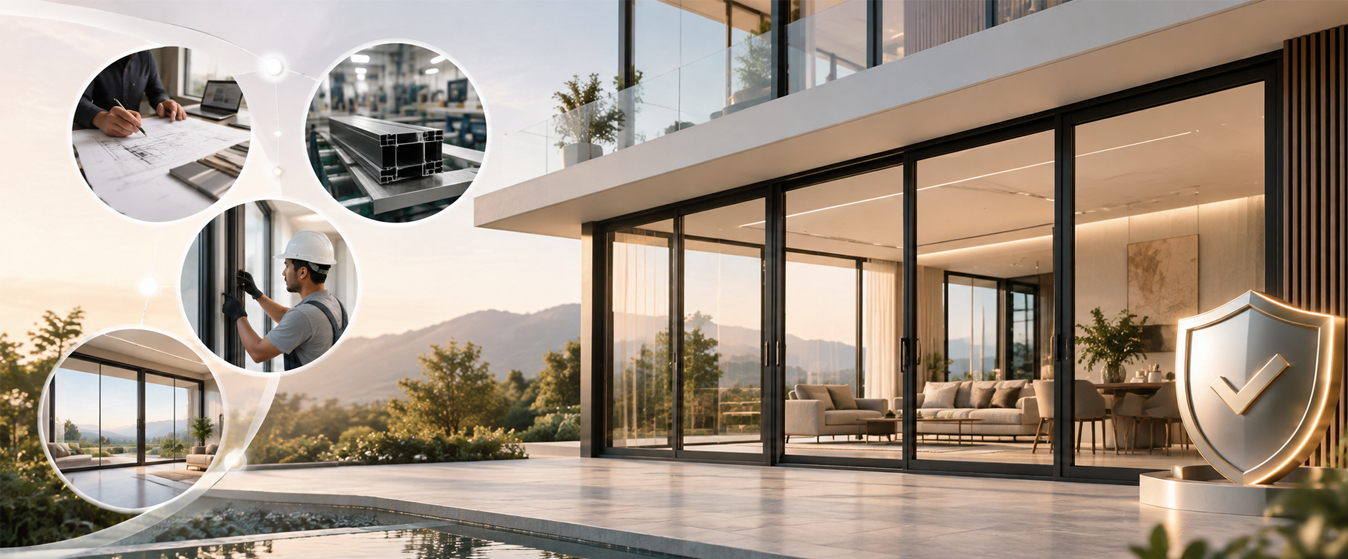
- Why choose Alteza Aluminium windows and doors? End-to-end service & 10 years of warranty
- 10 Best Roof Railing Design Ideas for a Modern & Royal Home
- 10 Premium Aluminium Window Designs to Upgrade Your Home This Festive Season


Related Posts

Why choose Alteza Aluminium windows and doors? End-to-end service & 10 years of warranty
Choosing aluminium windows and doors involves more than selecting a design. Accurate measurements, proper fabrication, and careful installation all affect the finished product. When different...

100+ laminate colours and finishes
For decades, we have seen windows and doors as two of the most functionally important parts of a house. Undoubtedly, they play an indispensable role...

Top Things to Consider While Choosing Aluminium Windows and Doors Installation Services
Installing aluminium windows and doors is a wise choice if you want to revamp your home interiors and give them a stylish, contemporary appearance. They...

Tips for cleaning and maintaining aluminium bifold doors
Aluminium bifold doors are not only stylish but also highly functional, transforming any space with their sleek design. While known for being low maintenance, regular...

Are modern aluminium windows good for Indian monsoons?
The Indian monsoon season is a beautiful yet challenging time of year. The period is known for heavy rains, high humidity, and strong winds. These...

Mosquito mesh for slide-and-fold doors: check these useful insights
Slide-and-fold doors have become a defining feature of modern Indian homes. Their ability to create wide, open spaces that blend indoor and outdoor living has...