7 Things to Check Before Buying Aluminium Windows for Your Home
September 7, 2026
What should you check before buying aluminium windows for your home? The profile, glass, hardware, and sealing all affect how well a window performs. Looking at the design alone can lead to the wrong choice.
Your choice should also be appropriate for the room. Consider the amount of space you have, the amount of ventilation you will need, the amount of sunlight you want, the noise from the outside, and how often you will use the window. Another factor that can affect the window’s performance is poor fitting, so proper installation is important.
Before you begin comparing aluminium window designs or prices, check out these seven things. They will help you select windows that will work well in your home and will last over time.
Why Are Aluminium Windows a Good Choice for Your Home?
Aluminium is strong, durable, and generally requires less routine maintenance than materials such as wood. It does not require regular treatment or refinishing and can withstand everyday use and exposure to changing weather conditions.
It also suits different home designs. You can choose from sliding, casement, fixed, and tilt-and-turn windows, along with different finishes and colours. The strength of aluminium also allows larger openings with slimmer-looking profiles.
However, these benefits depend on the window system you choose. The profile, glazing, hardware, and seals must meet the requirements of the opening and the conditions around your home.
What Should You Check Before Buying Aluminium Windows?
1. Check the Quality of the Aluminium Profile
The profile forms the frame of the window and provides its structural strength. Check the aluminium grade and profile specifications instead of judging aluminium window frames by their appearance.
The finish matters as well. Powder coating and anodising can protect the surface and maintain its appearance. Homes in humid or coastal areas should also consider corrosion resistance.
Avoid choosing a profile only by its thickness. The required specification depends on the window size, configuration, glass weight, and structural requirements.
2. Choose the Right Glass and Glazing
Glass is important for safety, temperature control, insulation and blocking out noise from outside. Choose it depending on the room, where it is located and what you need from the window.
If safety is a concern, you can go for toughened glass. Laminated glass provides added safety and can also contribute to sound reduction. Double glazing can provide improved thermal and acoustic insulation compared with suitable single-glazed configurations.
In addition, the glass should be compatible with the aluminium profile and the entire window system.
3. Check the Hardware and Locking System
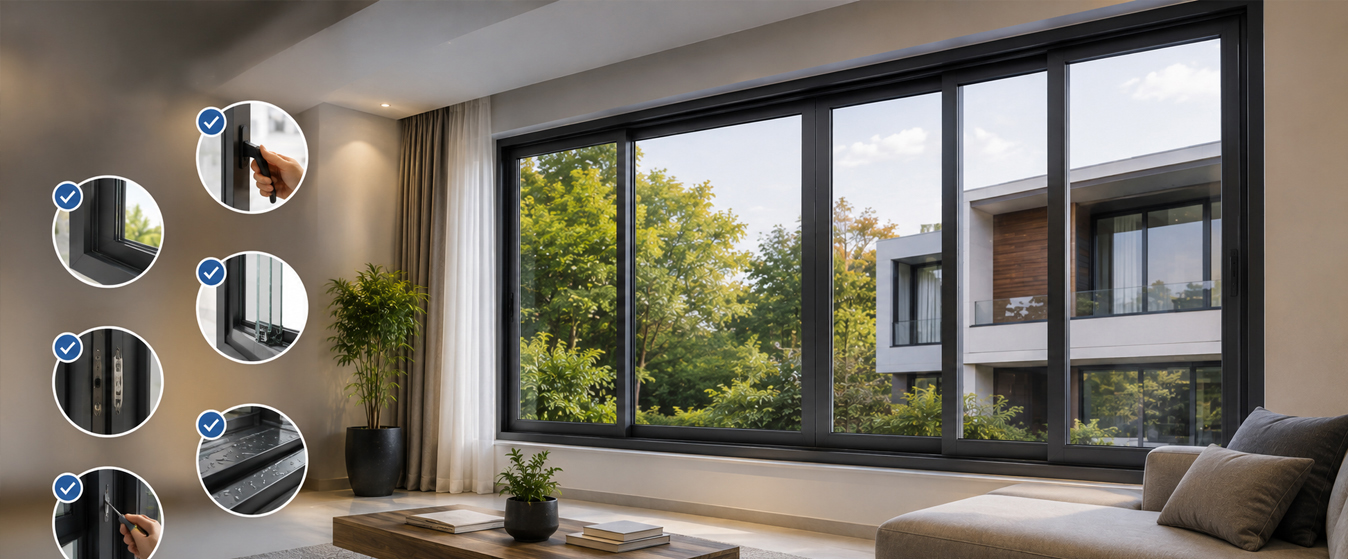
Handles, hinges, rollers and locks influence the ease of opening, closing and locking of the window. Test them before purchasing to ensure they are of high quality, function and anti-corrosion performance.
For sliding windows, test the rollers and tracks. The sash should move smoothly without excessive force, noise or wobbling. For casement windows, inspect the casements and their smoothness on handles and hinges.
The locking system should also offer adequate security to the home. Poor quality hardware can be a problem very quickly, as it is used every day.
4. Check Sealing and Weather Performance
Seals and gaskets close the gaps between the frame and moving parts. They help prevent air, water, and dust from entering when the window is closed.
Ask whether the window has been tested for air permeability, watertightness, and wind-load resistance. Air permeability measures air leakage through a closed window. Water-tightness testing checks whether water enters the system under pressure. Wind-load testing shows how the window handles wind pressure.
These tests matter more in areas that experience heavy rain or strong winds. Ask for test results or performance certifications where available.
5. Consider Thermal and Acoustic Performance
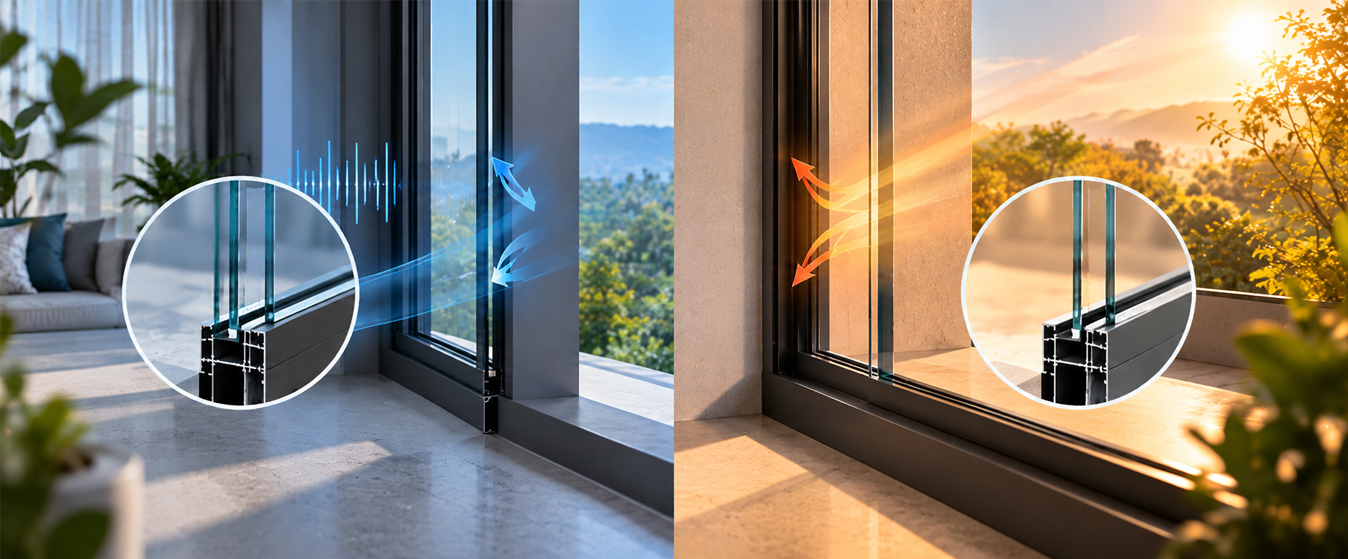
Windows can affect indoor temperature and outside noise. For thermal performance, look at the profile and glazing together. Thermal-break technology can reduce heat transfer through the aluminium frame, while suitable glazing can provide additional insulation and heat control.
Noise is another consideration for homes near busy roads, construction areas or dense urban surroundings. Glass type, frame design and seals all affect sound insulation.
Choose the combination based on the conditions around your home rather than looking at the glass or frame alone.
6. Match the Window Design to Your Space
The window type should suit the room and how you use it. Sliding windows work where opening space is limited. Casement windows provide a wider opening for ventilation. Fixed windows suit areas where you mainly need light and views. Tilt-and-turn windows offer two opening options.
Consider the space around the window, ventilation, sunlight, cleaning and how often you will open it. Aluminium windows for home can support larger openings and slimmer-looking profiles. Choose a finish and colour that works with the home’s architecture.
7. Check Installation, Warranty and After-Sales Support
Poor measurement or installation can affect the window’s sealing, alignment and operation. Ask who will measure the openings and install the windows before placing an order.
Check the warranty terms, including its duration and what it covers. This may include the profile, finish, hardware, and other components.
Also find out how the manufacturer handles service requests after installation. Look at the manufacturer’s experience and after-sales support before making your decision. Aluminium window installation should be handled by trained installers who can measure, fit and seal the system correctly.
Alteza offers aluminium window systems in contemporary designs for residential applications.
Conclusion
Do not compare aluminium windows only by price or appearance. Check the profile, glass, hardware, sealing, thermal and acoustic performance, window type, installation and warranty before you buy.
The right window should suit the room and the conditions around your home. Explore Alteza’s range of aluminium windows for your home.
FAQs
Q1. What is the average lifespan of aluminium windows?
A. Aluminium windows can last for several decades. How long they last depends on the quality of the profile, finish, and hardware, along with installation, maintenance and weather conditions.
Q2. Which type of aluminium window is best for a home in India?
A. Sliding windows work well when space is limited. Casement windows give a wider opening, while fixed windows are useful when you mainly want light and a view. Tilt-and-turn windows give you two ways to open the window. Choose the type based on the room and how you plan to use it.
Q3. Which aluminium thickness is best for windows?
A. The right thickness depends on the window’s size, type, design, glass weight, and structural needs. Instead of choosing a thickness on its own, ask the manufacturer for the profile specifications.
- Double Glazing vs Single Glazing: Which Should You Choose for Aluminium Windows?
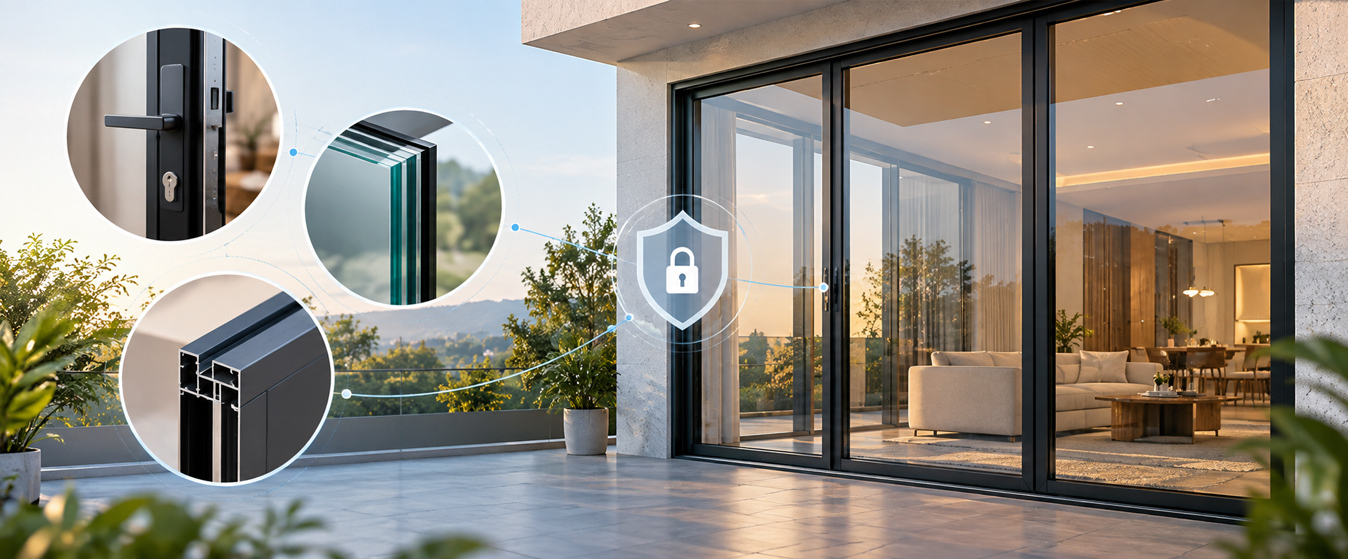
- Are Aluminium Doors Safe for Homes? Security Features to Look For: Locks, Glass, Frames
- Why choose Alteza Aluminium windows and doors? End-to-end service & 10 years of warranty

- 10 Best Roof Railing Design Ideas for a Modern & Royal Home

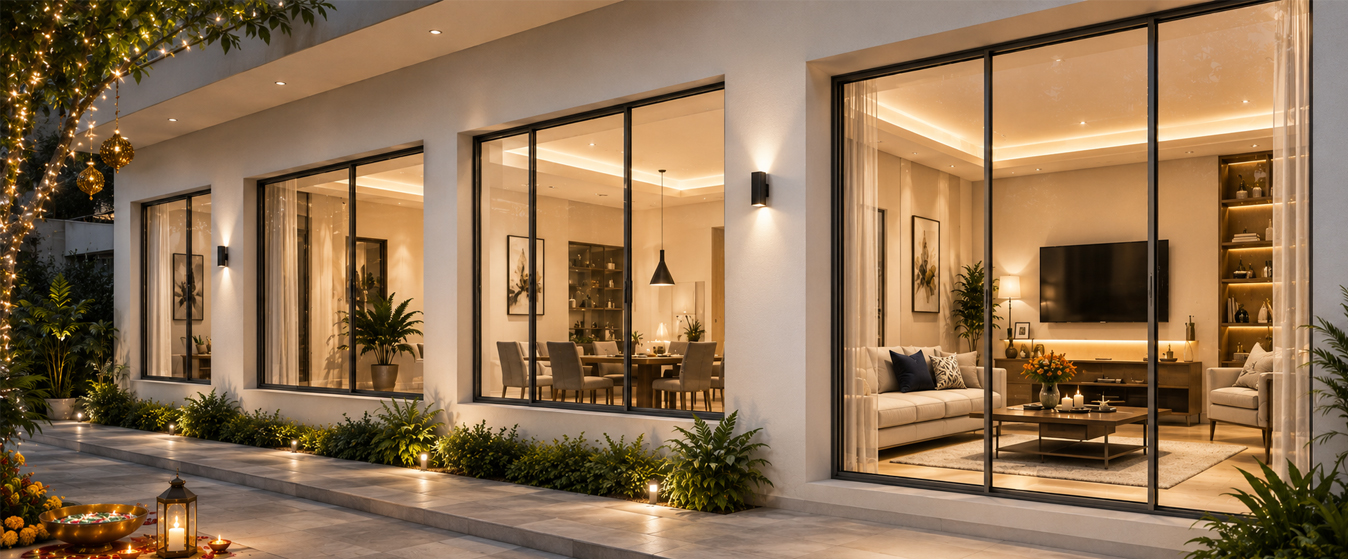
- 10 Premium Aluminium Window Designs to Upgrade Your Home This Festive Season


Related Posts
The Top Reasons to Choose Aluminium Louvers by Alteza
Aluminium louvers have become a popular choice in modern architectural design, and for good reason. These versatile features not only enhance the aesthetic appeal of...

Aluminium vs. Steel Doors: Which is the Better Choice?
Making your dream home’s design decisions involves a lot of deliberations and can lead to a certain confusion. Your vision of your ideal house must...

uPVC vs. Aluminium Windows: Which One is Right for Your Space?
When it comes to choosing the perfect windows for your space, the decision often boils down to two popular materials: uPVC and aluminium. Both offer...

Top Aluminium Sliding Door Designs for Modern Indian Villas
Explore the top aluminium sliding door designs for modern Indian villas. Discover styles that improve natural light, maximise space, and create seamless indoor–outdoor living.

Why Are Ventilator Windows Important for Healthy Interiors?
Choose aluminium ventilator windows for better ventilation, energy efficiency, and low maintenance to keep your interiors cool, dry, and comfortable year-round.

Can old windows be replaced with aluminium windows easily?
Old windows can affect your home’s comfort, energy efficiency, and appearance. Over time, wooden windows may show signs of wear, including cracks, warping, rust, or...