Why Aluminium Sliding Doors Are the Smartest Upgrade for Modern Homes
August 31, 2026
With 36% of India’s population living in urban areas in 2025, according to the World Bank and the UN Population Division’s World Urbanisation Prospects, homes in cities increasingly need thoughtful use of available space. That consideration extends to the smallest details, including the way a door opens and how much space it occupies.
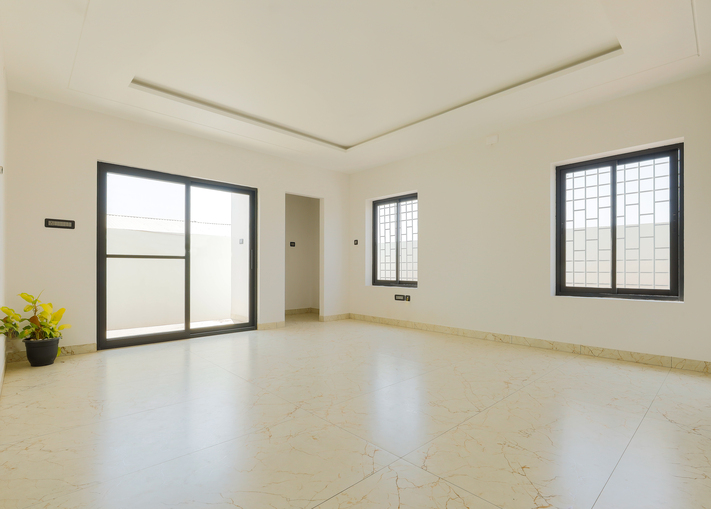
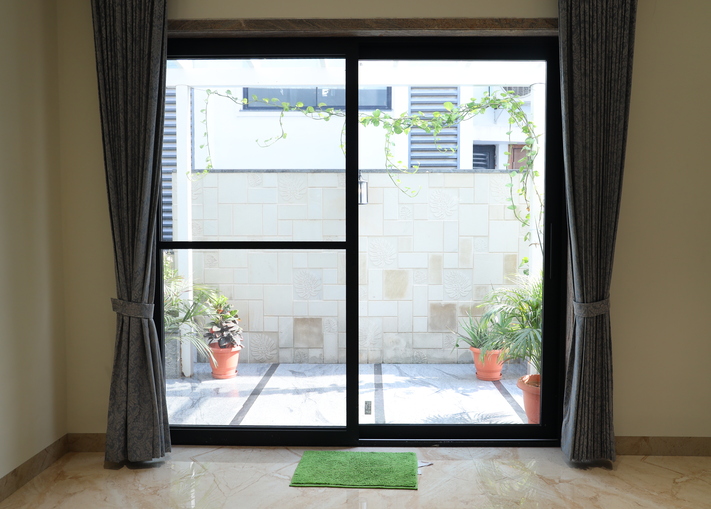
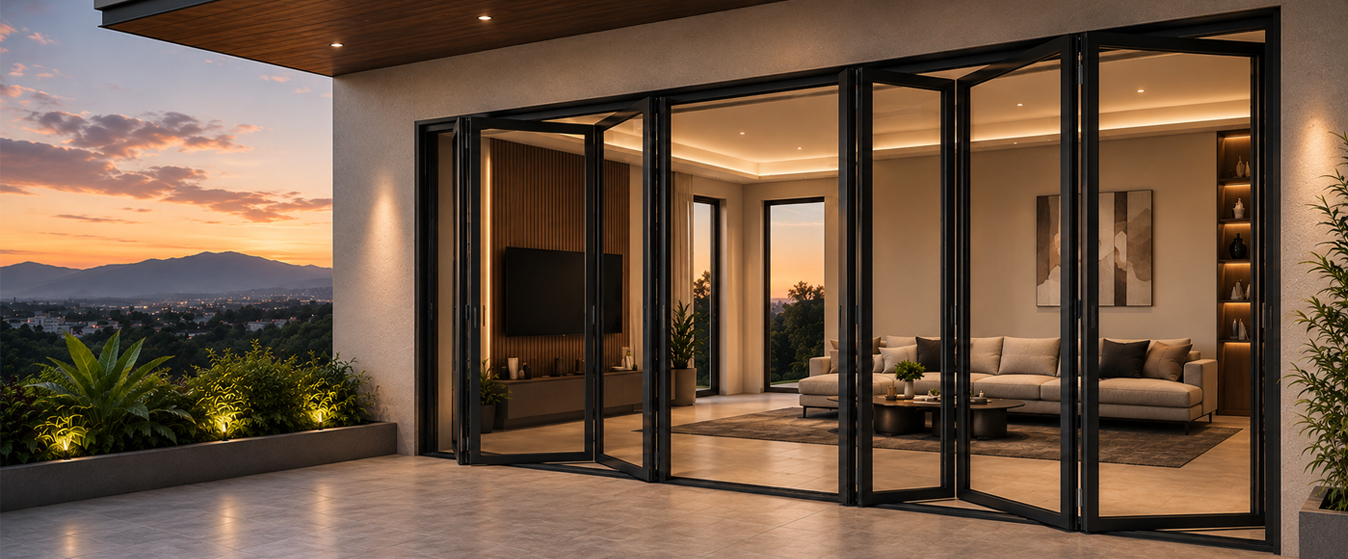
A hinged door requires space to swing, and an aluminium sliding door glides along a track, keeping the rest of the floor area open. It can also create an open and prominent view to the outside when combined with large glass panels and thin frames, and it can be incorporated as part of the overall space design of the home.
So, why are aluminium sliding doors a great addition to modern homes? Let’s examine their features that make them distinct.
What Are Aluminium Sliding Doors?
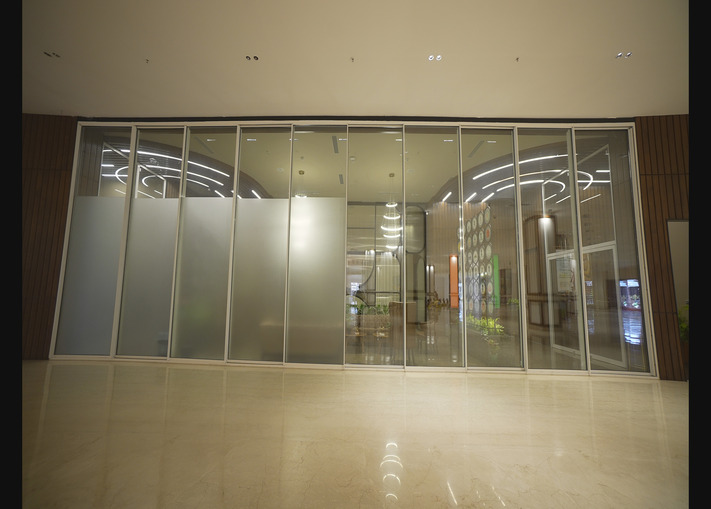
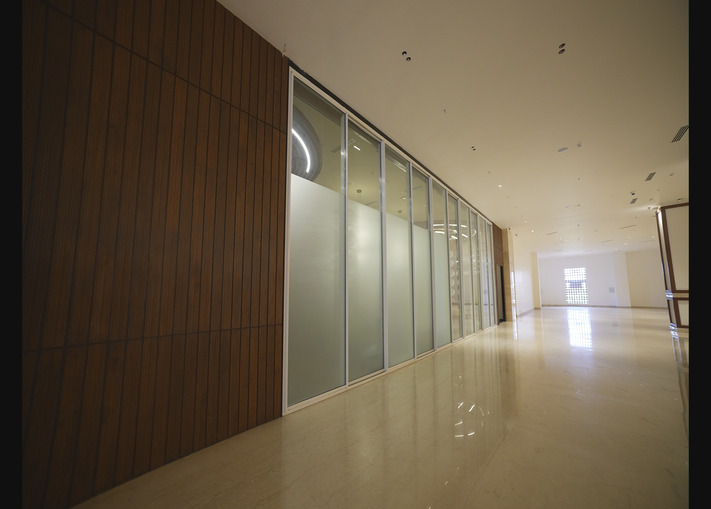
Aluminium sliding doors use panels that move horizontally along a track instead of swinging open on hinges. Manufacturers typically combine aluminium frames with glass panels to create wide openings without adding visual weight.
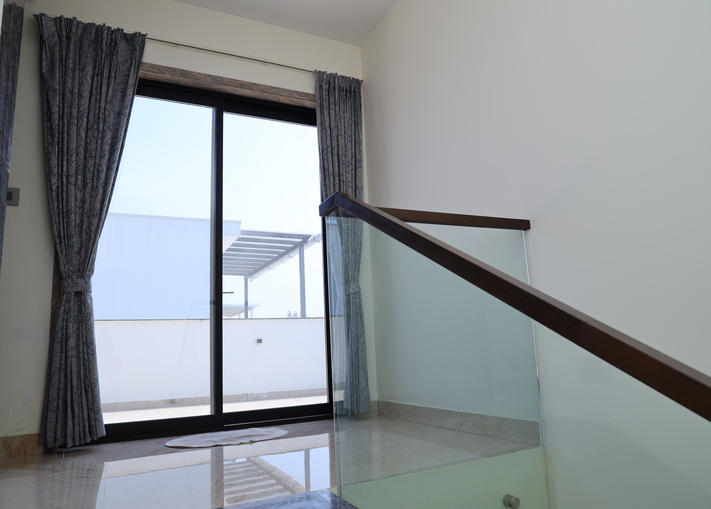
This configuration suits balconies, patios, living rooms, and other areas that benefit from wider access. The aluminium frame supports large glass panels, while the sliding mechanism keeps the floor area around the doorway clear.
Why Are Aluminium Sliding Doors Important for Modern Homes?
Modern homes tend to have open plans, more glazing and a greater sense of connection between inside and out. The door must respect these design choices without restricting movement or consuming unnecessary floor space.
Sliding doors for modern homes address these requirements through their horizontal opening mechanism and large glazing options. They work particularly well for balcony entrances, garden-facing rooms and patios where homeowners want wider openings without using additional floor space.
5 Benefits That Make Aluminium Sliding Doors a Smart Upgrade
1. Make More Of The Space You Have
Doors with hinges require room to swing open. You can’t put furniture there, and the door can make it difficult to get around in small rooms.
Sliding doors avoid this limitation. Their panels move sideways along tracks, so homeowners can use the surrounding floor area for furniture and movement. This arrangement works well in apartments, where floor space often comes at a premium.
The same benefit applies to larger houses. Removing the door swing area gives homeowners more freedom to plan furniture arrangements and circulation patterns.
2. Bring More Natural Light Indoors
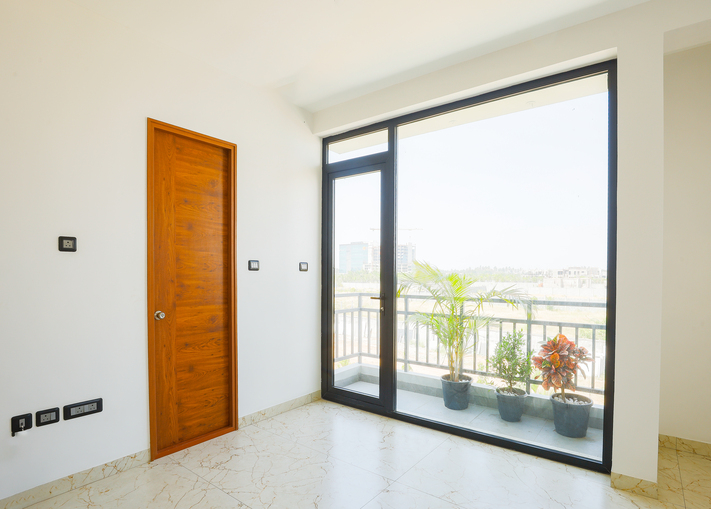
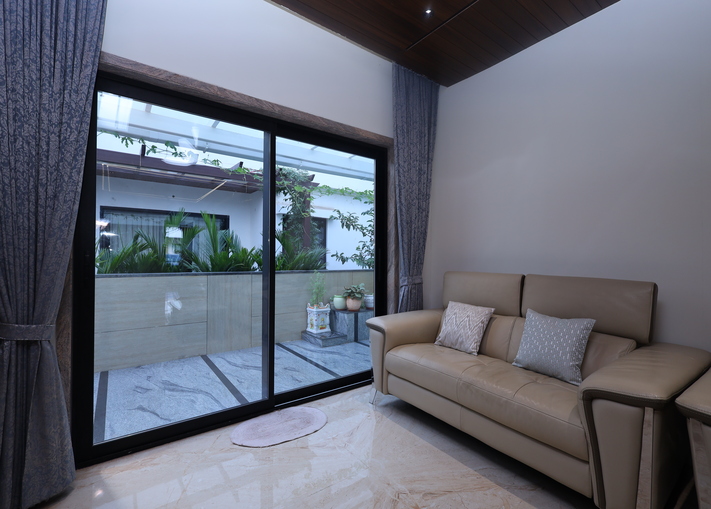
Large glass panels allow more daylight into a room and keep outdoor views visible from inside. Aluminium supports this design because its strength allows manufacturers to use slim profiles around larger areas of glass.
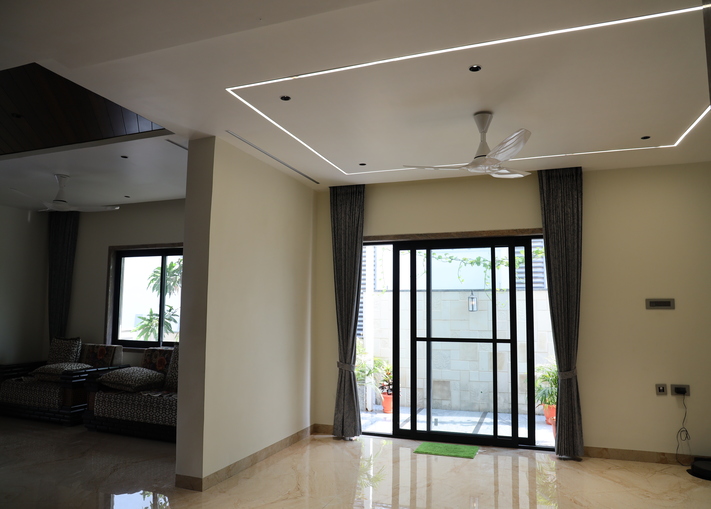
Aluminium glass sliding doors can therefore combine access, daylight and views within one opening. A living room facing a balcony or garden can maintain a stronger visual connection with the outdoors without removing the physical separation between the two areas.
The size of the opening and the selected glass specification will determine the amount of daylight and visibility. However, aluminium and glass provide plenty of scope for creating larger glazed openings.
3. Get Strength Without Bulky Frames
Large glass panels require strong frames, particularly when the door sees frequent use. Aluminium provides a high strength-to-weight ratio, allowing manufacturers to develop sturdy systems without excessively bulky profiles.
This combination supports larger openings while keeping the sightlines relatively slim. Aluminium also resists moisture-related swelling and warping, unlike wood.
The complete door system affects its performance. Profile quality, glass, rollers, hardware, and installation all need consideration when selecting an aluminium sliding door.
4. Keep Maintenance Simple
Aluminium requires much less maintenance than materials that are regularly painted, stained or sealed. The frames can be maintained clean by periodic cleaning with appropriate cleaning chemicals by the homeowner.
Aluminium is also not affected by moisture and does not rot or swell. The use of durable surface finishes may aid in maintaining the frame’s appearance over time.
This not only makes the door easier to maintain in the home but also helps to save the busy family from a lot of routine work.
5. Elevate the Look of Your Home
A large door opening may affect the overall appearance of a room, especially if it leads to an interior space such as a balcony, terrace or garden. In clean-line spaces, modern aluminium sliding doors can be used to maximise the use of the glass in the opening.
Different types of aluminium sliding door designs, colours and finishes are also available for homeowners to choose from so that they can match the other home design elements. Dark hues can help define a minimalist interior, while lighter hues will help create a more understated one.
As the size of the frame, glass and opening are interconnected, homeowners should take into account the door as an integral part of the architectural design.
Aluminium Sliding Doors vs Traditional Hinged Doors
Both systems can fit into residential applications, but they have different space and design requirements.
| Feature | Aluminium Sliding Doors | Traditional Hinged Doors |
| Space | No swing space required | Needs clearance to open |
| Light & views | Large glass areas possible | Depends on design |
| Maintenance | Generally low maintenance | Depends on material |
| Appearance | Slim, clean-lined profiles | Wide range of styles |
For homeowners prioritising wider openings, usable floor space and larger glass areas, a sliding system may provide a better fit.
What Should You Consider Before Choosing Them?
Here are some points to consider before you choose a sliding door:
- Opening Size and Panel Configuration: Determine the opening size and select the appropriate panel configuration to the space.
- Aluminium profiles: Select robust profiles that can maintain the door sizing and resist frequent usage.
- Glass: Select the glass according to your needs for light, view and privacy.
- Hardware and Rollers: Good quality rollers will make it smooth to use the panels regularly.
- Sealing: Ensure all joints are sealed to prevent rain, dust and outside air from entering the building.
- Finish: Pick a frame colour and finish that work with your home’s interiors and exterior.
- Installation: Precise measurements and correct installation guarantee that the door is installed correctly and moves smoothly.
Final Thoughts
The right door can improve the look and performance of a space. Aluminium sliding doors save floor space, provide bigger glass areas, require less maintenance and fit different home styles. They are also ideal for balconies, patios, gardens and other wide openings where you want to have more daylight and a clear view outside.
If you are planning a door upgrade, Alteza aluminium sliding doors offer durable frames, clean designs and smooth everyday operation, helping you create a home that feels more open and connected.
FAQs
Q1. Which material is best for sliding doors?
A. Aluminium is a strong choice for sliding doors because it is durable, lightweight and resistant to moisture. It also allows slimmer frames and larger glass areas, which suit modern homes.
Q2. Which mm glass is best for an aluminium sliding door?
A. The suitable glass thickness depends on the door size, panel dimensions, location and performance requirements. A professional can recommend the right glass thickness based on the specific door system and installation.
Q3. What are the benefits of aluminium sliding doors for home?
A. Aluminium sliding doors save floor space, allow larger glass panels, need relatively little maintenance, and suit balconies, patios, living rooms, and other wide openings.
- Why Aluminium Sliding Doors Are the Smartest Upgrade for Modern Homes
- Upgrade Your Home with Aluminium Windows and Mosquito Nets
- Looking for the Perfect Aluminium Doors? Explore Best Designs
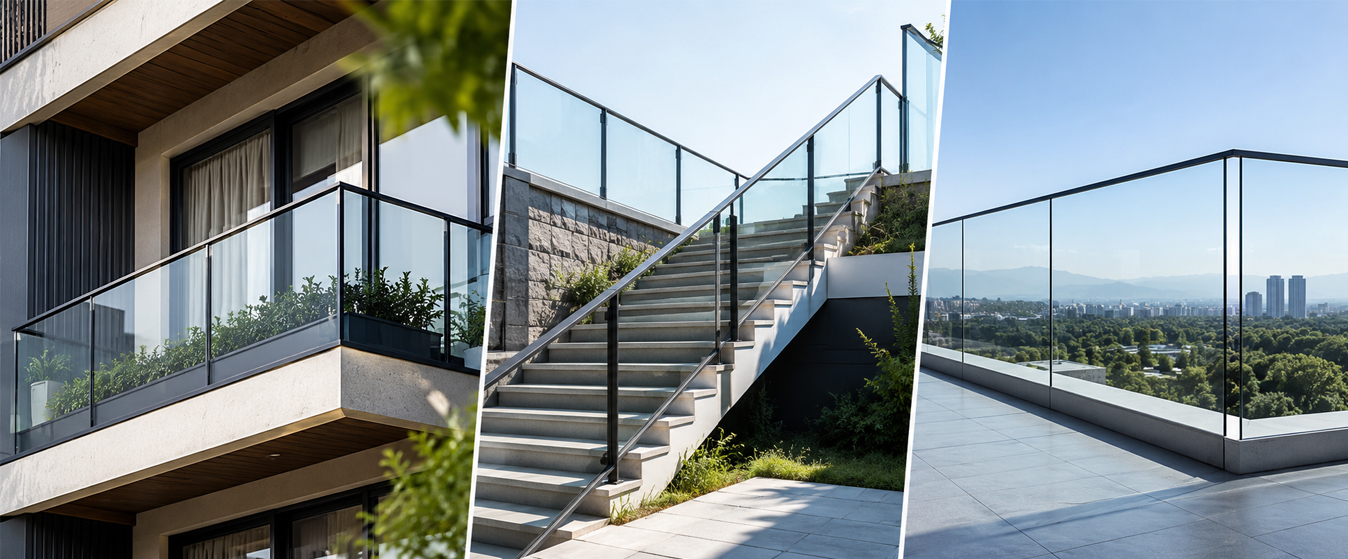
- 10 Modern Aluminium Glass Railing Designs for Balconies, Staircases & Terraces (2026 Guide)
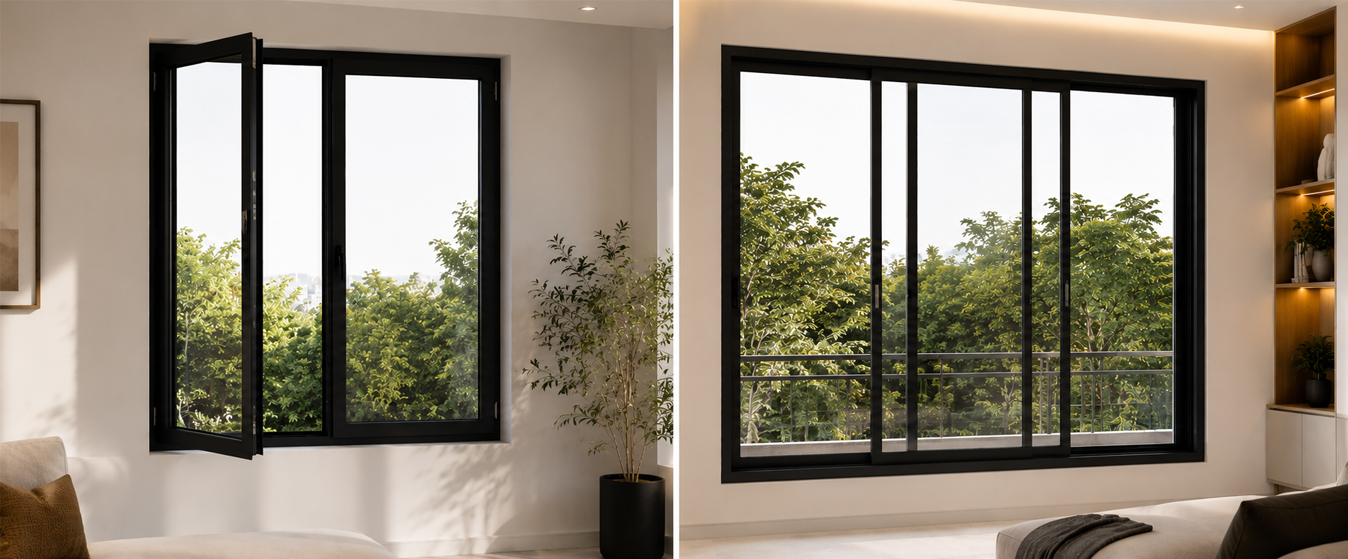
- Aluminium Casement Windows or Aluminium Sliding Windows: Which Suits Indian Homes?

Related Posts

Upgrade your living space: install modern aluminium windows, doors, new flooring , and more ideas
Your living space is more than just a place to reside; it’s a reflection of your personal taste and a space for relaxation and enjoyment....

The Best Modern Aluminium Window Designs for Urban Living
Urban living often comes with space constraints and a desire for connection to the outdoors. Modern aluminium window designs offer the perfect solution, providing ample...
Understanding the Components of a 3 Track Aluminium Sliding Window
Introduction Aluminium sliding windows, particularly the 3 track variety, are a popular choice for modern homes and commercial buildings. Their functionality, ease of use, and...

Branded vs. unbranded aluminium windows: What Indian homeowners need to know
Aluminium windows have become a preferred choice among Indian homeowners. They offer a modern look, require minimal maintenance, and withstand diverse climatic conditions. But as...

How to Childproof Folding Sliding Doors for Family Safety ?
Creating a safe home environment is important for families. Childproofing areas such as aluminium sliding and folding doors can help prevent accidents. These doors are...

The Best Indoor Plants to Place Near Aluminium Sliding Doors
Aluminium sliding doors are a fantastic feature in any home. They offer a modern aesthetic and a strong connection to the outdoors. By carefully selecting...