
10 Best Roof Railing Design Ideas for a Modern & Royal Home
September 21, 2026
A terrace may be at the top of the house, but its railing is often visible long before anyone steps onto it. That makes it more than a safety feature. It can influence how the entire home looks from the street, especially when the upper level forms a prominent part of the facade.
The choices today go well beyond conventional metal bars. Clear glass, slim aluminium profiles, geometric screens, greenery, and subtle lighting can all change the character of a terrace. Whether the home follows a clean contemporary style or has a more grand, royal appearance, the railing can tie the exterior together.
Here are 10 roof and terrace railing design ideas that bring together safety, style, privacy, and a well-finished look.
1. Minimalist Glass Roof Railings
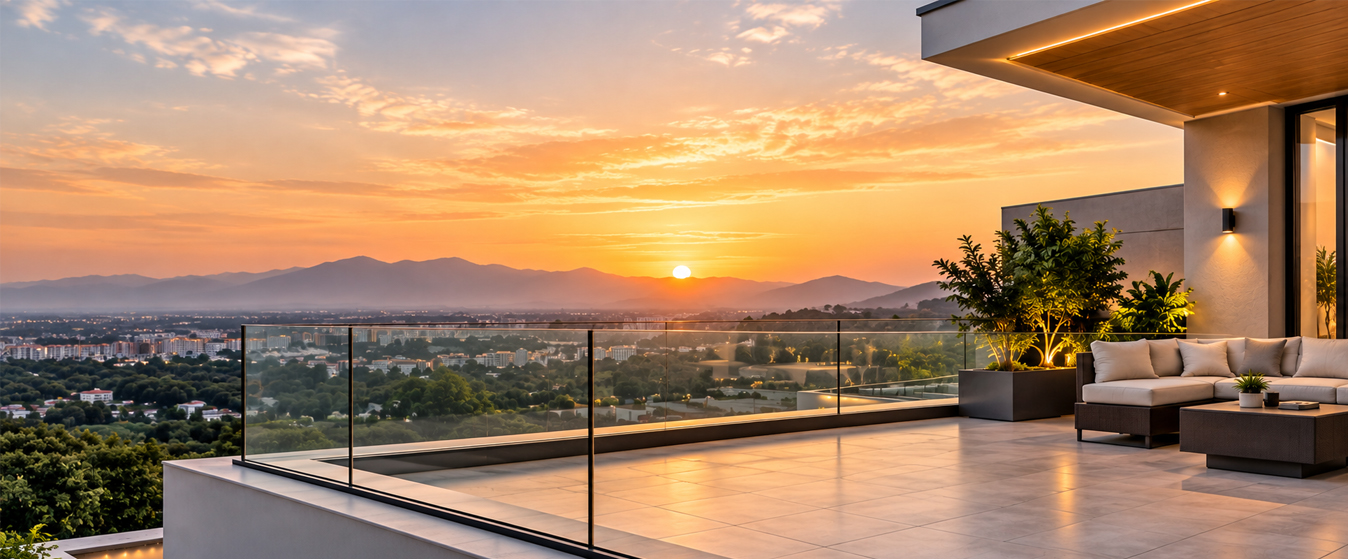
If the surrounding view is a key part of the terrace, glass keeps it within sight. Clear panels give the roof edge a light, uncluttered appearance without visually closing off the space.
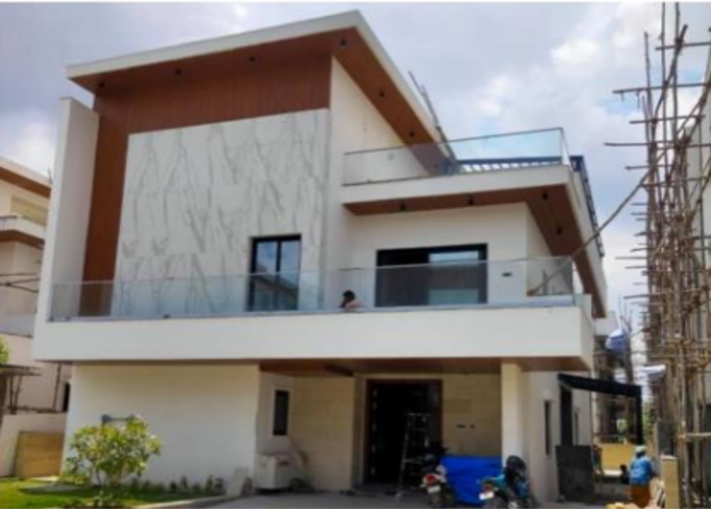
The style sits naturally alongside large windows, simple exterior walls, and open layouts. A slim frame adds definition without drawing attention away from the architecture itself.
2. Sleek Aluminium Railing Designs
A clean-lined railing does not need a bulky structure. Aluminium railings offer a lightweight option with a neat finish, along with resistance to rust and relatively low maintenance for outdoor use.
An aluminium railing design can also be adapted through different profiles, colours, and finishes. Slim sections suit contemporary façades, while more detailed profiles can sit comfortably against larger or traditionally styled homes.
3. Black Metal Railings for a Bold Finish
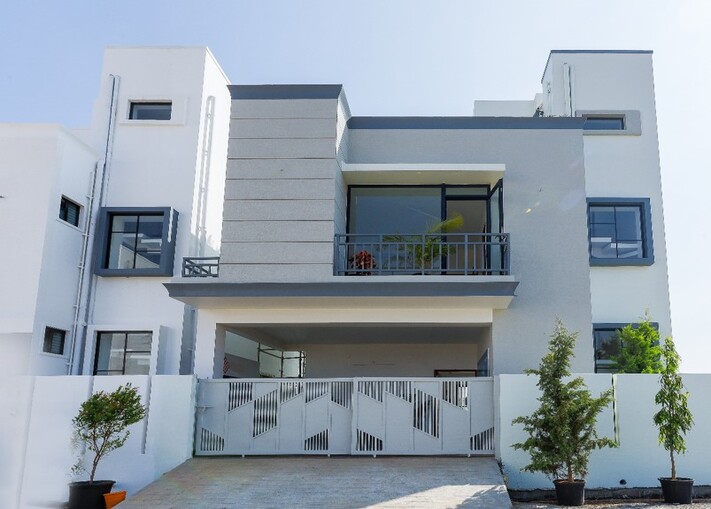
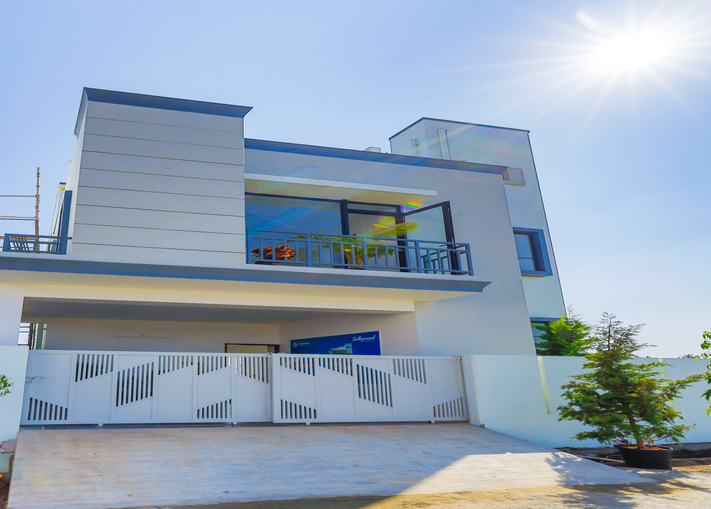
A black railing can give a home’s exterior a sharper edge. Against white, beige, or light-grey walls, the contrast is strong without relying on elaborate ornamentation.
Vertical bars, rectangular frames, or narrow profiles can all create a crisp contemporary appearance. Repeating the same finish on window frames, doors, or other exterior details can help the façade feel considered rather than pieced together.
4. Horizontal Bar Railings
There is something particularly clean about a railing made up of long horizontal lines. They follow the width of the terrace and work naturally with homes built around simple geometric forms.
For a compact roof, this approach can also help the terrace appear broader. Keep the surrounding colours and finishes restrained, and the railing becomes part of the home’s overall geometry rather than a separate visual element.
5. Vertical Spindle Railings
Vertical spindles introduce rhythm along the roofline. The repeated lines give the terrace a clear boundary while retaining a relatively open appearance.
Their versatility is what makes them interesting. Pair them with arches, columns, or stone finishes for a more royal character, or choose a simpler profile for a contemporary home. The basic form remains familiar, but the surrounding architecture changes its expression.
6. Ornate Metal Railings for a Royal Look
Some homes call for more than minimal detailing. Ornate metal railings can bring curves, motifs, and decorative patterns to the terrace, giving the upper level a distinctly traditional and luxurious feel.
There is no need to fill every section with decoration. A balanced pattern with carefully proportioned details can provide the desired grandeur without making the façade appear busy. Textured walls, arches, classic columns, and heritage-inspired finishes can further support this style.
7. Glass and Metal Combination Railings
Aluminium and glass offer two qualities that work particularly well together: openness and structure.
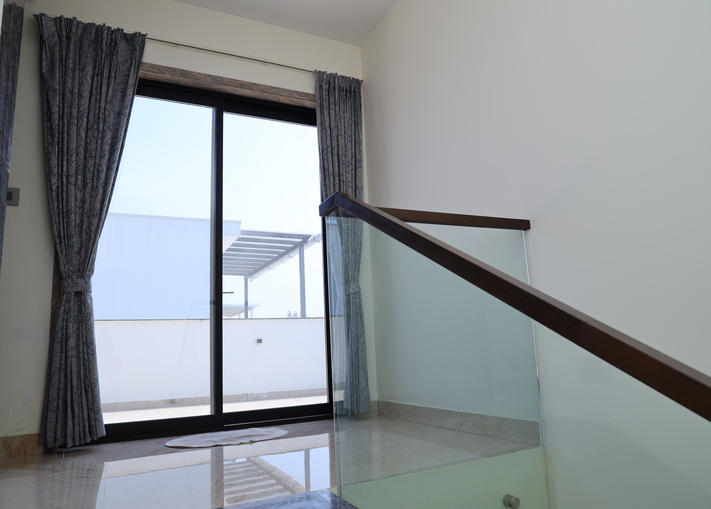
Aluminium glass railings use clear panels within slim metal framing, giving the terrace a defined edge while keeping the view largely unobstructed.
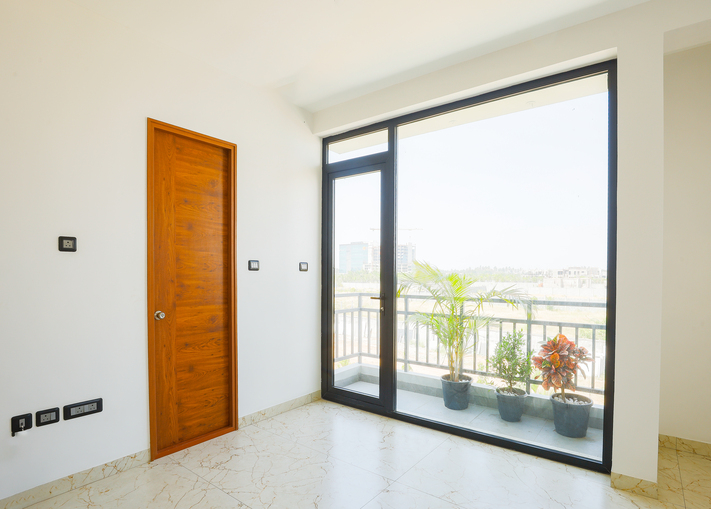
An aluminium glass railing design is especially suited to contemporary façades with large windows and doors. The glass maintains the visual connection with the surroundings, while the frame gives the railing a precise architectural finish.
8. Laser-Cut and Geometric Railings
A railing can also become a statement detail. Laser-cut panels allow geometric shapes, symmetrical patterns, and subtle motifs to be introduced along the terrace edge without relying on conventional bars.
The pattern can be selected according to the character of the home. Clean geometry suits a modern façade, while floral or intricate designs can work with a more royal aesthetic. The panels can also offer some privacy while retaining airflow.
9. Railings with Integrated Planters
Greenery can soften the harder appearance of a terrace filled with metal, glass, and concrete. Built-in planters along the railing bring plants closer to the edge without using up much of the terrace floor.
Small plants or flowering varieties can add colour and texture while making the space feel more inviting. If planter boxes form part of the railing system, proper drainage and secure support need to be considered during installation.
10. Illuminated Roof Railings
A railing can have an entirely different presence after sunset. Small LED lights along the railing, posts, or nearby terrace surfaces can pick out its lines and add a gentle evening glow.
The lighting can also define the terrace edge and improve visibility at night. Warm illumination can sit comfortably with a grand, royal-style exterior, while subtle lighting can complement a more minimalist home.
What to Consider Before Choosing a Roof Railing
A modern roof railing design needs to do more than complement the home’s exterior. Its height, spacing, material, structural support, drainage, and installation method should suit the terrace and project requirements. Weather exposure and maintenance should also be considered before finalising the design.
- Strength and stability: The railing should be properly supported and securely fixed.
- Height and spacing: Follow the applicable building requirements for railing height and openings.
- Weather exposure: Choose materials and finishes suitable for outdoor conditions.
- Drainage: Make sure water does not collect around railing posts, frames, or planter areas.
- Maintenance: Consider how easily the railing can be cleaned and maintained.
- Home design: Match the railing with the windows, doors, walls, flooring, and other exterior elements.
- Installation: Use appropriate fixing methods and professional installation for the project.
How to Choose the Right Roof Railing Design?
Consider these points before choosing a terrace railing design:
- Home style: Pick a design that complements the architecture and exterior details.
- Terrace size: Choose a profile that suits the space without making it feel enclosed.
- Views and privacy: Decide how much of the surrounding view you want to retain and how much privacy you need.
- Material: Consider aluminium for a lightweight, rust-resistant option or glass for an open appearance.
- Design combination: Aluminium glass railings offer the structure of a frame with the openness of glass.
- Exterior coordination: Match the railing with the home’s windows, doors, flooring, lighting, and other finishes.
Conclusion
A roof railing can shape the look of a home while providing a secure boundary for the terrace. Glass, aluminium, metal, and patterned designs can suit different home styles.
For a modern exterior, clean lines, slim profiles, and open designs keep the terrace simple and neat. The same approach can be carried through the home’s windows and doors.
Looking to create a coordinated modern exterior? Alteza offers premium aluminium windows and doors in clean designs that can complement contemporary terrace and façade styles.
FAQs
Q1. Which material is suitable for roof railings?
A. The suitable material depends on the terrace design, appearance, maintenance requirements, weather conditions, and budget. Aluminium is lightweight and resistant to corrosion, while glass can provide a more open appearance.
Q2. Which railing is suitable for a modern home?
A. The choice depends on the home’s architecture, terrace requirements, privacy needs, maintenance, and budget. Aluminium, glass, and aluminium-and-glass railings can work well with modern home designs.
Q3. What should you consider when choosing a roof railing design?
A. Consider the terrace size, home style, privacy, weather exposure, maintenance, installation requirements, and budget. Choose a design that also complements the home’s windows, doors, and exterior finishes.
- 10 Best Roof Railing Design Ideas for a Modern & Royal Home
- 10 Premium Aluminium Window Designs to Upgrade Your Home This Festive Season
- 7 Things to Check Before Buying Aluminium Windows for Your Home
- Benefits of Aluminium Casement Doors for Residential and Commercial Spaces
- Why Aluminium Sliding Doors Are the Smartest Upgrade for Modern Homes
Related Posts

Questions you should ask your Aluminium Window Supplier
As an architect, homeowner or interior decorator, there are several things you should keep in mind in order to choose the best window systems for...
Why you should choose Alteza as your high performance windows option
Aluminium- often known as the green metal is an excellent building material choice for high performance windows and doors that come with quick and easy...

Why aluminium windows and doors are ideal for Indian homes
India’s harsh weather conditions, diverse landscapes, and unique functional needs call for careful consideration while selecting the materials to use in constructing your home. While...

uPVC vs. Aluminium Windows: Which One is Right for Your Space?
When it comes to choosing the perfect windows for your space, the decision often boils down to two popular materials: uPVC and aluminium. Both offer...

Top Aluminium Sliding Door Designs for Modern Indian Villas
Explore the top aluminium sliding door designs for modern Indian villas. Discover styles that improve natural light, maximise space, and create seamless indoor–outdoor living.

Everything You Need to Know Before Buying Aluminium Sliding Windows
Have you ever chosen windows because they looked beautiful, only to realise later that they don’t let in enough air or aren’t easy to use...