
Aluminium Casement Doors: Key Design and Performance Factors Homeowners Should Know
February 10, 2026
Home doors don’t just separate indoor and outdoor spaces anymore. They influence how a home feels, how it breathes, and how comfortably it performs across seasons. Homeowners are increasingly paying attention to factors such as natural light, ventilation, energy efficiency, and long-term durability when selecting door systems.
As modern residential design grows, aluminium has become one of the most reliable materials for doors and windows. Among the many aluminium door options available, aluminium casement doors have gained steady popularity for their balance of performance, aesthetics, and everyday practicality. Their ability to open fully, seal tightly, and complement a wide range of architectural styles makes them a preferred choice for contemporary Indian homes.
This guide explores the key design and performance factors homeowners should understand before choosing aluminium casement doors, which helps make better decisions that support comfort, durability, and visual appeal over the long term.
What Are Aluminium Casement Doors and How Do They Work?
Aluminium casement doors are side-hinged doors that open either inward or outward, much like casement windows. Casement doors swing open on hinges, which allows for a wider and more unobstructed opening.
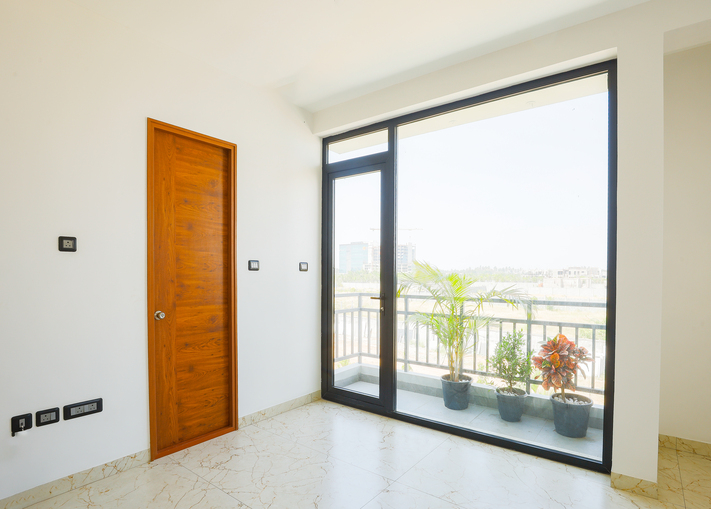
The door frame and shutter are made from aluminium, while the infill typically consists of glass. Depending on the width of the opening, aluminium casement doors can be designed as single-leaf doors or double-leaf doors that open from the centre. This flexibility allows them to adapt easily to different room sizes and layouts.
From a usability perspective, casement doors are appreciated for their simplicity. They open smoothly, close firmly, and create a strong seal when shut. This makes them suitable for spaces where homeowners want maximum ventilation, better insulation, and a stronger connection between indoor and outdoor areas.
Why Aluminium Is the Preferred Material for Casement Doors?
The choice of material is an essential factor in how a door performs over time. Aluminium stands out because it combines strength, stability, and longevity in a way few other materials can.
One of the biggest advantages of aluminium is its resistance to environmental damage. Unlike wood, aluminium does not warp, swell, or crack due to moisture. Unlike certain plastics, it does not fade or become brittle under prolonged sun exposure. This makes aluminium casement doors particularly suitable for Indian weather conditions, which can vary from extreme heat and heavy monsoons to high humidity and pollution.
Aluminium is also lightweight yet structurally strong. This allows for slimmer door profiles without compromising stability. Slim frames support larger glass panels, which enhance natural light and improve overall aesthetics.
From a long-term perspective, aluminium doors require very little maintenance. They do not need repainting or polishing, and their surface finish remains intact for years. For homeowners looking for a durable and low-maintenance solution, aluminium becomes a clear choice.
How do aluminium casement doors fit different home styles?
One of the reasons aluminium casement doors are so widely used today is their design versatility. Their clean lines and refined appearance allow them to blend effortlessly into different architectural styles.
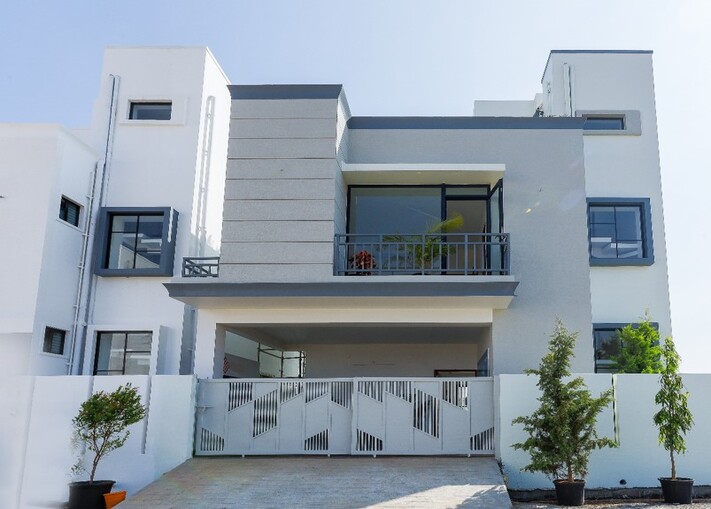
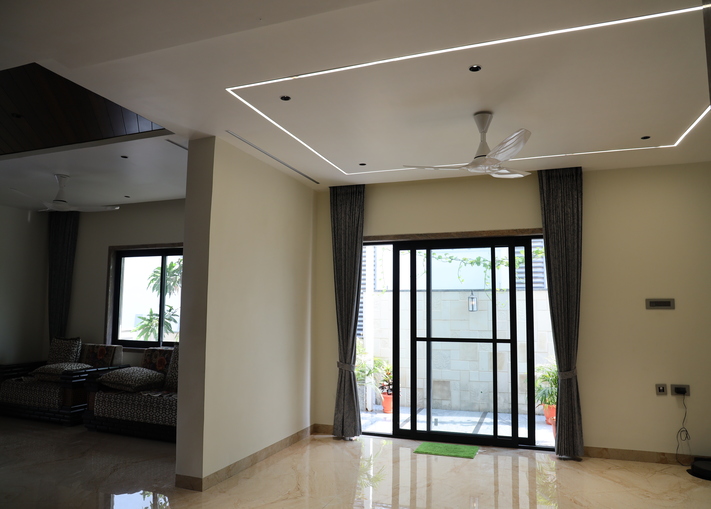
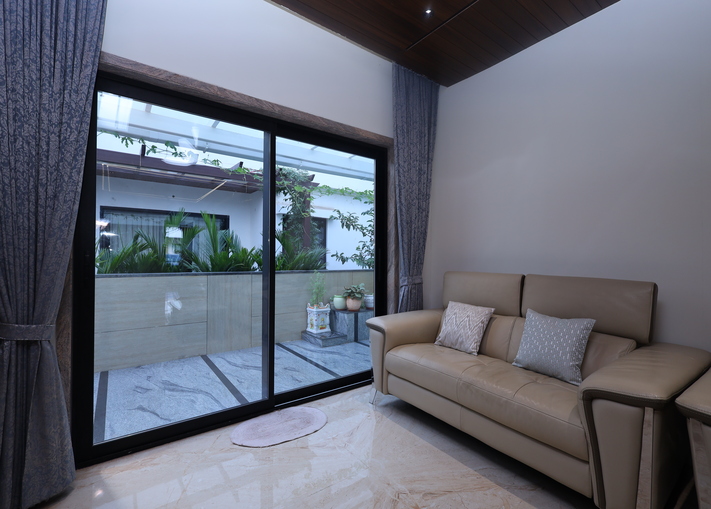
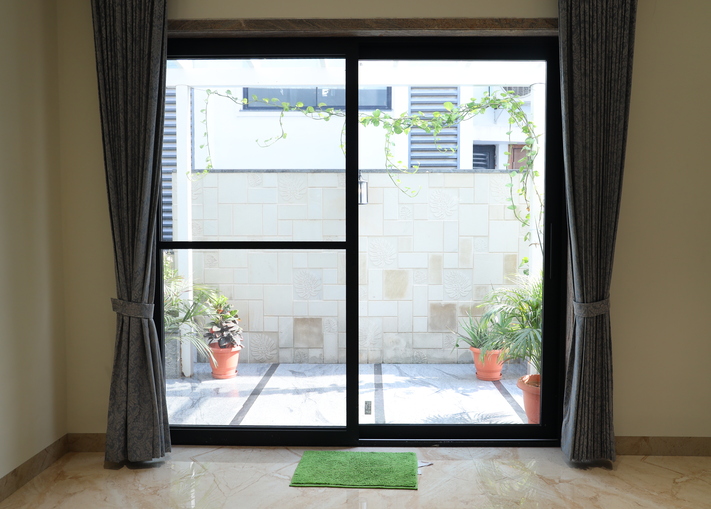
In modern homes, aluminium casement doors complement minimalist interiors with their slim frames and understated finish. They work particularly well in living rooms, balconies, and patios where uninterrupted views and openness are a priority.
For homes with transitional or slightly traditional interiors, aluminium doors can be customised with neutral colours, textured finishes, or classic hardware to maintain visual harmony. Powder-coated finishes offer a wide range of colour options while ensuring long-lasting surface protection.
Custom sizing further enhances design flexibility. Aluminium allows for taller and wider doors without visual heaviness, helping homeowners achieve proportionate and balanced aluminium door design across different spaces.
Everyday Comfort Benefits Homeowners Actually Notice
1. Improved airflow throughout the home:
Aluminium casement doors open fully, allowing fresh air to circulate more freely and creating a naturally ventilated living environment.
2. Brighter interiors during the day:
Larger glass panels allow more natural light to enter the space, reducing dependence on artificial lighting and enhancing visual comfort.
3. More stable indoor temperatures:
When closed, casement doors form a tighter seal, helping maintain comfortable indoor conditions across changing seasons.
4. Reduced reliance on cooling systems:
Better ventilation and sealing can lower the need for constant air-conditioning, supporting long-term energy savings.
5. Stronger connection between indoor and outdoor spaces:
Opening the doors fully helps balconies, patios, and gardens feel like seamless extensions of the living area.
6. A healthier living environment:
Improved air movement reduces indoor stagnation, contributing to a fresher and more comfortable home atmosphere.
Key Performance Factors Homeowners Should Understand
1. Structural stability that lasts over time:
Well-engineered aluminium frames resist sagging, bending, and misalignment even with frequent daily use.
2. Energy efficiency through better sealing:
Casement doors close firmly against the frame, limiting air leakage and improving overall thermal performance.
3. Noise reduction for urban comfort:
When paired with suitable glass, aluminium casement doors help reduce external noise in busy or high-traffic areas.
4. Reliable performance in all weather conditions:
Quality systems are designed to withstand rain, wind, humidity, and temperature fluctuations without leakage or damage.
5. Better security through multi-point locking:
Locking at multiple points along the frame improves resistance to forced entry compared to conventional doors.
Aluminium Casement Doors vs Other Common Door Types
| Factor | Aluminium Casement Doors | Sliding Doors | Wooden Hinged Doors |
| Opening Style | Full swing opening | Partial horizontal opening | Swing opening |
| Ventilation | Excellent airflow | Limited | Moderate |
| Natural Light | High | High | Moderate |
| Energy Efficiency | High | Moderate | Low to moderate |
| Weather Resistance | Excellent | Moderate | Low |
| Maintenance | Very low | Low | High |
| Durability | Long-lasting | Good | Prone to wear |
| Suitability for the Indian Climate | Very high | High | Limited |
This comparison shows why aluminium casement doors are often chosen for homes that prioritise comfort, durability, and low maintenance. Their ability to perform consistently across different conditions gives them a practical advantage over traditional alternatives.
Glass and Hardware: How They Influence Overall Door Performance
While the aluminium frame provides structural strength, glass and hardware play an equally important role in determining how the door performs.
Glass selection affects insulation, safety, and sound control. Double-glazed or laminated glass improves thermal comfort and reduces noise, making the door more effective in busy or exposed locations.
Hardware quality influences daily usability. Hinges, handles, and locking systems must be durable and corrosion-resistant to ensure smooth operation over time. Poor-quality hardware can compromise even the best aluminium frame.
Well-designed aluminium casement doors balance frame strength, glass performance, and reliable hardware to deliver consistent comfort and functionality year after year.
Where Aluminium Casement Doors Work Best in Homes?
Aluminium casement doors are versatile and can be used in various parts of a home.
They are commonly used for balconies and patios, where full opening and ventilation are desirable. Garden-facing living rooms benefit from the openness and light these doors provide.
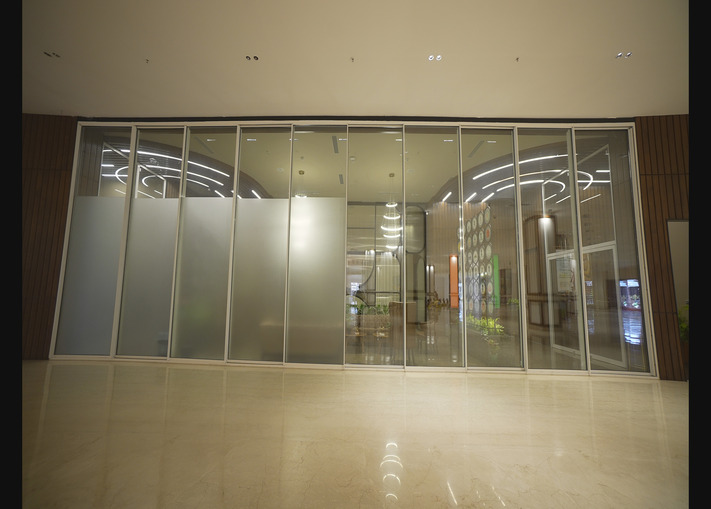
In kitchens and utility areas, casement doors offer controlled ventilation and easy access. They are also used as room dividers in spaces where light flow and visual openness are important.
Both apartments and independent homes can benefit from aluminium casement doors, provided the opening direction and space availability are carefully planned.
Things Homeowners Should Consider Before Choosing Casement Doors
Before finalising aluminium casement doors, homeowners should consider a few practical aspects.
Understanding the available space and deciding whether the door should open inward or outward is essential. Accurate measurements ensure smooth installation and long-term performance.
It is also important to match the door system to daily usage patterns. High-traffic areas require robust frames and hardware that can handle frequent operation.
Choosing a system-based solution from a reliable aluminium casement doors manufacturer ensures consistency in quality, performance, and finish. Professional consultation helps homeowners select the right configuration and avoid common installation issues.
Final Thoughts
Aluminium casement doors offer a well-rounded solution for homeowners seeking a balance of design, comfort, and long-term performance. Their ability to adapt to different architectural styles, withstand demanding weather conditions, and improve everyday living makes them a valuable addition to modern homes.
When thoughtfully designed and correctly installed, aluminium casement doors deliver lasting value through durability, energy efficiency, and visual appeal. Choosing the right system and manufacturer plays a key role in ensuring that these benefits are fully realised.
Alteza offers precision-engineered aluminium door systems designed to meet the demands of contemporary living. With a focus on performance, durability, and refined aluminium door design, our premium solutions are crafted to suit Indian homes while offering comfort, reliability, and architectural elegance.
- Why choose Alteza Aluminium windows and doors? End-to-end service & 10 years of warranty
- 10 Best Roof Railing Design Ideas for a Modern & Royal Home

- 10 Premium Aluminium Window Designs to Upgrade Your Home This Festive Season
- 7 Things to Check Before Buying Aluminium Windows for Your Home
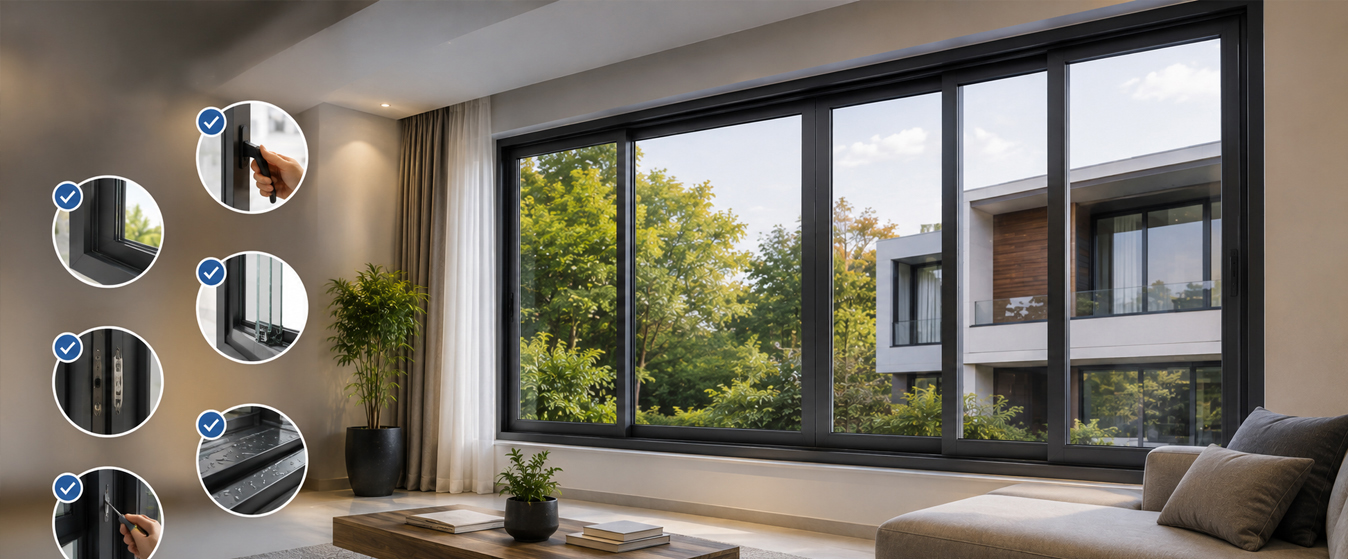
- Benefits of Aluminium Casement Doors for Residential and Commercial Spaces
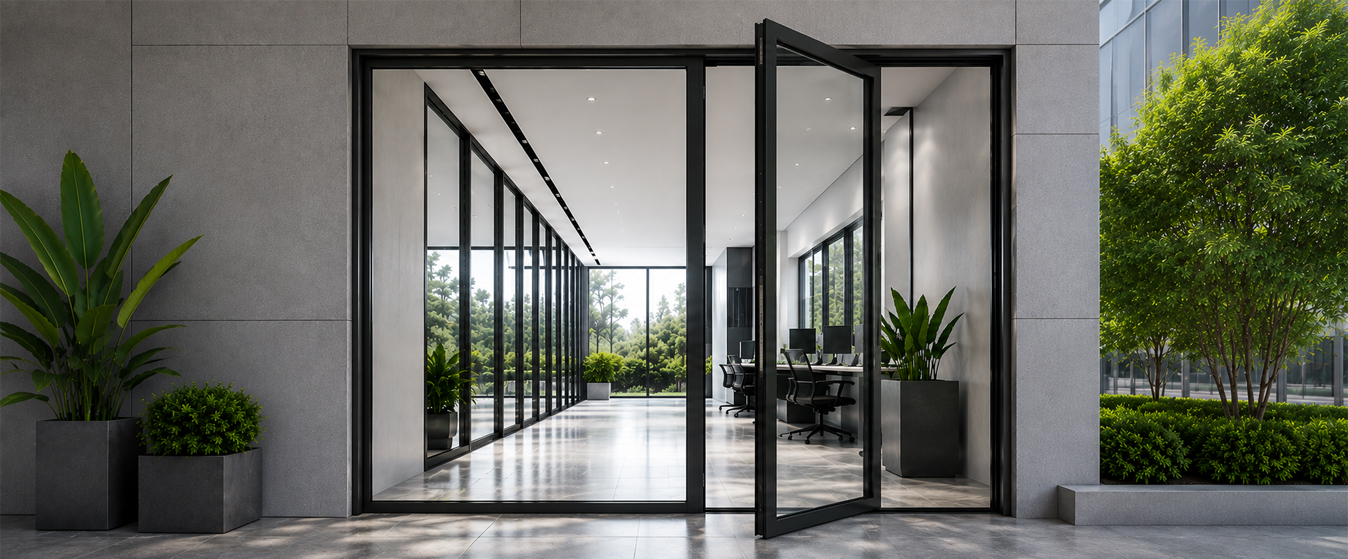


Related Posts

Are there anti-theft options for aluminium sliding doors?
Enhance home security with anti-theft features in aluminium sliding doors – like multi-point locks, toughened glass, and anti-lift blocks – without compromising style.

Aluminium vs. Steel: Choosing the Ideal Material for Your Glass Stair Railings
When it comes to adding elegance and openness to staircases, glass railings are a popular choice. The choice of the frame material, aluminium or steel,...
The Advantages of Aluminium Doors for Home Security
Apart from the looks and functionality, security is a paramount concern for homeowners highlighting the need for stronger doors. As we strive to protect our...

How to Fix Sliding Aluminium Windows?
Sliding aluminium windows have emerged as a brilliant option for modern homes where style and substance are as important as practicality. These windows occupy lesser...
Maximizing Your Home’s Style and Functionality with Aluminium Sliding Doors
Because of their traditional beauty, wide availability, and perceived superiority, wooden doors and windows were for a long time the only option of fixtures for...

What are the benefits of using slim frames in aluminium windows?
Windows do much more than just let in light and air. They define the look of a home, impact energy efficiency, and influence long-term maintenance...