
What Factors Should You Consider When Choosing Aluminium Windows for Homes?
April 27, 2026
A home can look perfect on paper and still fall short once you start living in it. Rooms heat up faster than expected. Outside noise doesn’t stay outside. Windows that seemed fine at first begin to show small but persistent issues—air gaps, stiffness, even water finding its way in.
More often than not, the problem traces back to the windows.
Indian homes deal with a lot, such as intense summers, dust-heavy air, humidity, sudden downpours. Materials are constantly under pressure. When windows aren’t built for this, comfort takes a hit. So does energy efficiency, and eventually, maintenance becomes unavoidable.
This is exactly where Aluminium Windows stand out. Modern systems aren’t just about clean frames and large glass panels. They’re designed to manage heat, handle daily use smoothly, and stay reliable over time. Still, choosing the right aluminium windows for home isn’t something to rush.
Here’s what actually matters.
Factor 1: Aluminium Grade and Frame Quality
Why Aluminium Grade Matters
Everything begins with the material. High-performance systems typically use architectural-grade aluminium like 6063-T5 or 6063-T6. These aren’t random labels—they’re specifically developed for window and door applications.
They offer better strength, a smoother finish, and more consistent performance than lower-grade options.
Structural Strength and Durability
The frame carries the load—literally. It supports the glass and resists external forces like wind pressure. If the aluminium lacks strength, the frame can shift over time. Alignment goes off, sealing weakens, and operation becomes difficult.
A solid frame avoids all of that.
Surface Finish and Protection
The finish isn’t just for appearance. Powder coating or anodising protects the frame from corrosion, scratches, and fading. Without it, the surface starts to deteriorate faster under sunlight and rain.
Long-Term Impact
Better material reduces long-term issues. Fewer repairs. Less maintenance. More consistent performance year after year.
Factor 2: Choosing the right window design and system
Common Aluminium Window Designs
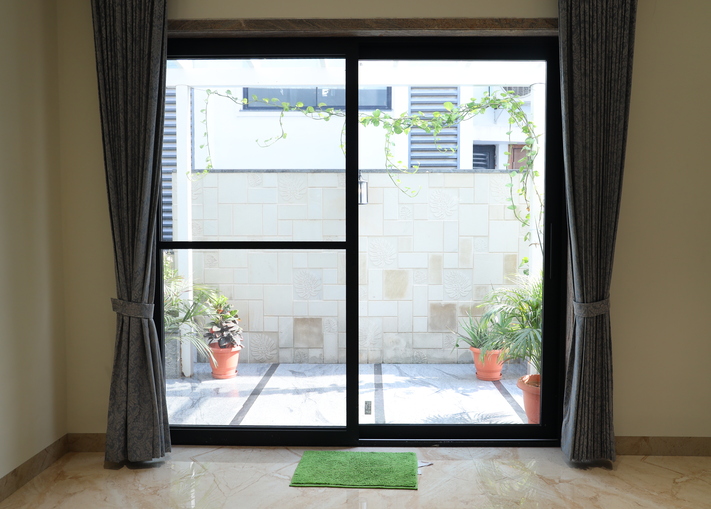
Different homes require different window systems. The most common types include sliding windows, casement windows, fixed windows, and tilt-and-slide systems.
Each design offers a different balance of airflow, space usage, and functionality.
Space and Functionality
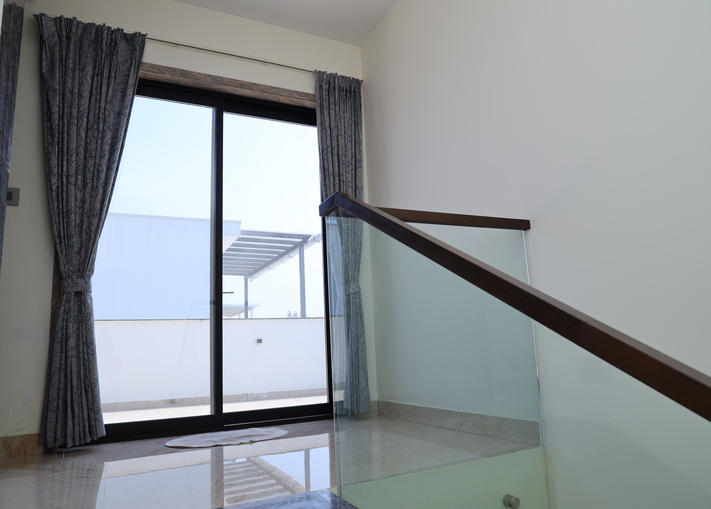
Sliding windows are ideal for compact spaces because they do not require extra room to open. Casement windows, on the other hand, open fully and allow better ventilation.
Choosing the right system depends on how the space is used daily.
Ventilation and Ease of Use
Good aluminium windows for the home should support proper airflow while being easy to operate. Smooth sliding tracks, balanced opening systems, and ergonomic design improve everyday usability.
Aesthetic Value
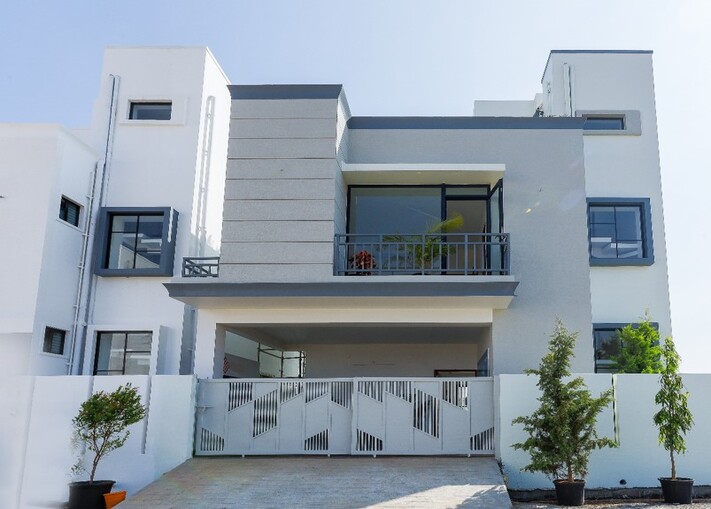
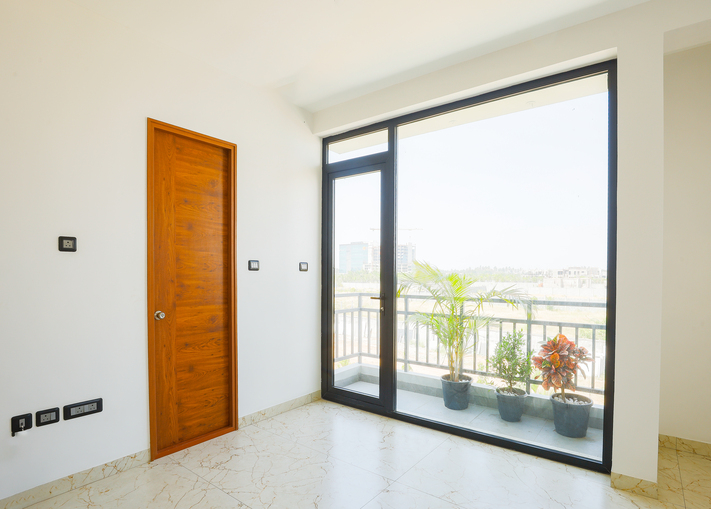
Modern architecture focuses on clean lines and large glass surfaces. Aluminium frames support this design approach by offering slim profiles and minimal visual obstruction.
This makes homes look brighter and more spacious.
Factor 3: Thermal Insulation and Energy Efficiency
Why Thermal Performance Matters
In many Indian cities, indoor temperatures rise quickly during summer. Poor insulation allows heat to enter easily, making rooms uncomfortable and increasing reliance on cooling systems.
Aluminium and Heat Transfer
Aluminium naturally conducts heat. Without proper design, it can transfer outdoor heat inside the home, affecting comfort.
Insulated Systems
Modern aluminium windows use thermal break technology or insulated frames to reduce heat transfer. These systems improve energy efficiency and help maintain stable indoor temperatures.
Practical Benefits
Better thermal insulation reduces electricity consumption, improves comfort, and creates a more balanced indoor environment throughout the year.
Factor 4: Glazing Options and Glass Performance
Types of Glazing
Glass selection has a direct impact on performance. The most common options include single, double, and triple glazing.
Double glazing is widely used in modern homes because it offers a good balance of performance and cost.
Noise and Heat Control
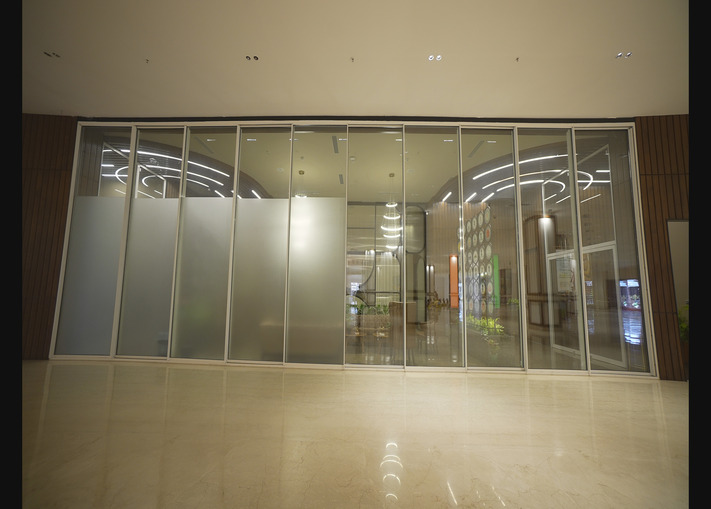
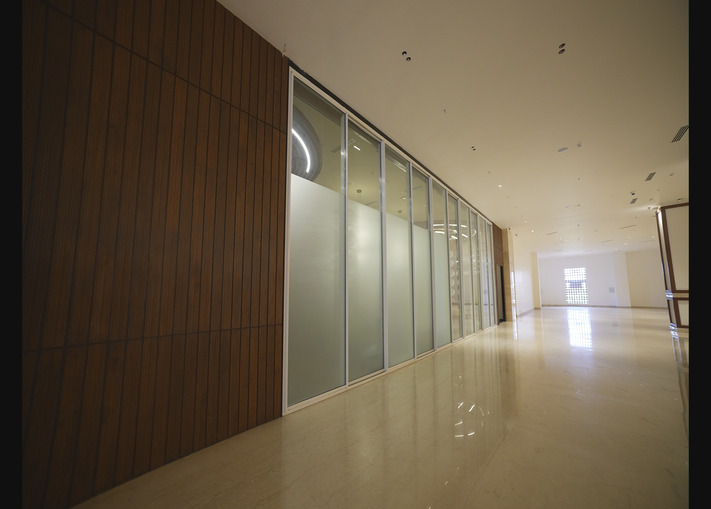
Double or triple glazing helps reduce heat transfer and blocks external noise. This is especially useful in urban areas where traffic and construction noise are common.
Safety Considerations
Toughened and laminated glass improves safety by reducing the risk of breakage. They also enhance security and durability.
Right Choice for Homes
For most house aluminium windows, double glazing is sufficient to deliver comfort, insulation, and energy efficiency without increasing costs significantly.
Factor 5: Weather Resistance and Environmental Performance
Indian Climate Challenges
Windows in Indian homes must handle heat, dust, heavy rain, and humidity. Poor-quality systems often fail under these conditions.
Water Tightness
A good window system prevents rainwater from entering the home. Proper sealing and drainage channels ensure water flows away from the frame.
Air Tightness
Well-designed aluminium windows reduce air leakage and prevent dust from entering indoor spaces. This improves hygiene and comfort.
Wind Resistance
In high-rise buildings, strong wind pressure can affect window stability. High-quality aluminium systems are designed to withstand these forces without deformation.
Factor 6: Safety, Security, and Locking Systems
Importance of Security
Windows are a key entry point in any home. Strong frames and secure locking systems help improve safety.
Multi-Point Locking Systems
Multi-point locks secure the window at multiple points along the frame. This makes forced entry more difficult and improves overall protection.
Factor 7: Cost, Maintenance, and Long-Term Value
Initial Cost vs Long-Term Value
While Aluminium Windows may cost more initially, they offer better long-term value due to durability and low maintenance requirements.
Low Maintenance Advantage
Aluminium does not rust, warp, or require repainting. Simple cleaning is enough to maintain its appearance and performance.
Durability Over Time
High-quality systems last for decades without major issues. This makes them a practical long-term investment for homeowners.
Better ROI
Compared to wood or steel, aluminium offers better returns over time due to lower repair and replacement needs.
Factor 8: Compliance, Standards, and Installation Quality
Importance of Proper Installation
Even the best window system will not perform well if it is not installed correctly. Proper alignment, sealing, and fitting are essential for long-term performance.
Common Installation Issues
Incorrect installation can lead to leakage, air gaps, or difficulty in operation. These issues affect both comfort and durability.
Compliance with Standards
Following proper building standards ensures the safety and consistent performance of house aluminium windows.
Key Factors to Compare When Choosing Aluminium Windows
| Factor | What to Check | Why It Matters for Your Home |
| Aluminium Grade | 6063-T5 / 6063-T6 or architectural-grade aluminium | Ensures strength, corrosion resistance, and long-term durability |
| Frame Quality | Thickness, rigidity, and finish (powder-coated/anodised) | Prevents bending, warping, and surface damage over time |
| Window Design | Sliding, casement, tilt, fixed systems | Impact ventilation, space usage, and functionality |
| Thermal Insulation | Thermal break systems or insulated frames | Reduces heat gain/loss and improves indoor comfort |
| Glazing Type | Single, double, or triple glazing | Affects energy efficiency, sound insulation, and safety |
| Weather Performance | Water tightness, air sealing, and drainage design | Protects against leakage, dust, and humidity |
| Window Resistance | Load-bearing capacity of frames | Important for high-rise homes and exposed areas |
| Security Features | Multi-point locks, strong profiles, toughened glass | Improved safety and prevents forced entry |
| Maintenance Needs | Resistance to fading, corrosion protection | Ensures low upkeep and long-term appearance |
| Installation Quality | Sealing, alignment, and fitting accuracy | Ensures proper performance and avoids future issues |
Conclusion
Choosing the right Aluminium Windows isn’t only about how they look. It affects how your home feels every day, temperature, noise, safety, and upkeep all come into play.
Material quality, design, insulation, glass selection, and installation—each factor contributes to the final outcome. When everything works together, the difference is noticeable. Cooler interiors. Less outside disturbance. Reliable performance over time.
If you’re planning to upgrade aluminium windows for home, focus on systems that balance strength, efficiency, and design. Alteza’s aluminium window solutions are built with Indian conditions in mind—designed to last, and built to perform without compromise.
FAQs
Q1. How do you know if aluminium windows are good quality?
A. Check if the Aluminium Windows feel strong, open and close smoothly, and have tight sealing. Good quality frames use proper powder coating or anodising, strong joints, and reliable locking systems. No air or water leakage is also a clear sign of good quality.
Q2. What is the best grade of aluminium for windows?
A. The best grade for aluminium windows for the home is 6063-T5 or 6063-T6. These are strong, corrosion-resistant, and built for long-term use in different weather conditions.
Q3. What is the cheapest time of year to replace windows?
A. Replacement is usually cheaper during off-peak construction periods when demand is lower. Installers may offer better pricing and quicker availability during these times.
- Double Glazing vs Single Glazing: Which Should You Choose for Aluminium Windows?
- Are Aluminium Doors Safe for Homes? Security Features to Look For: Locks, Glass, Frames
- Why choose Alteza Aluminium windows and doors? End-to-end service & 10 years of warranty
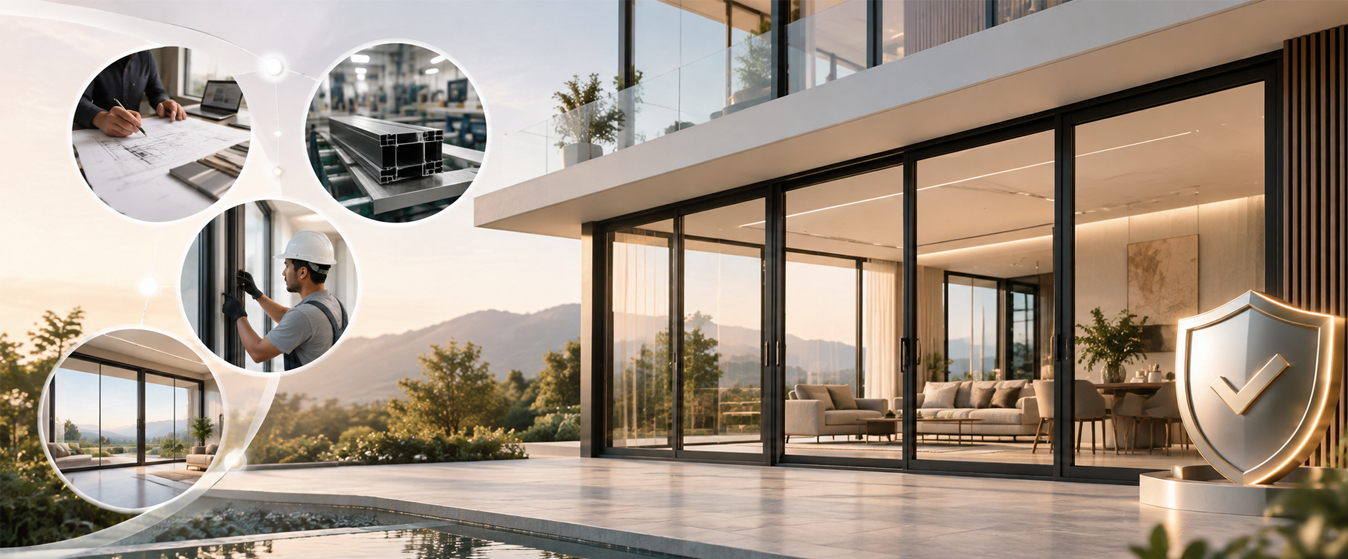
- 10 Best Roof Railing Design Ideas for a Modern & Royal Home

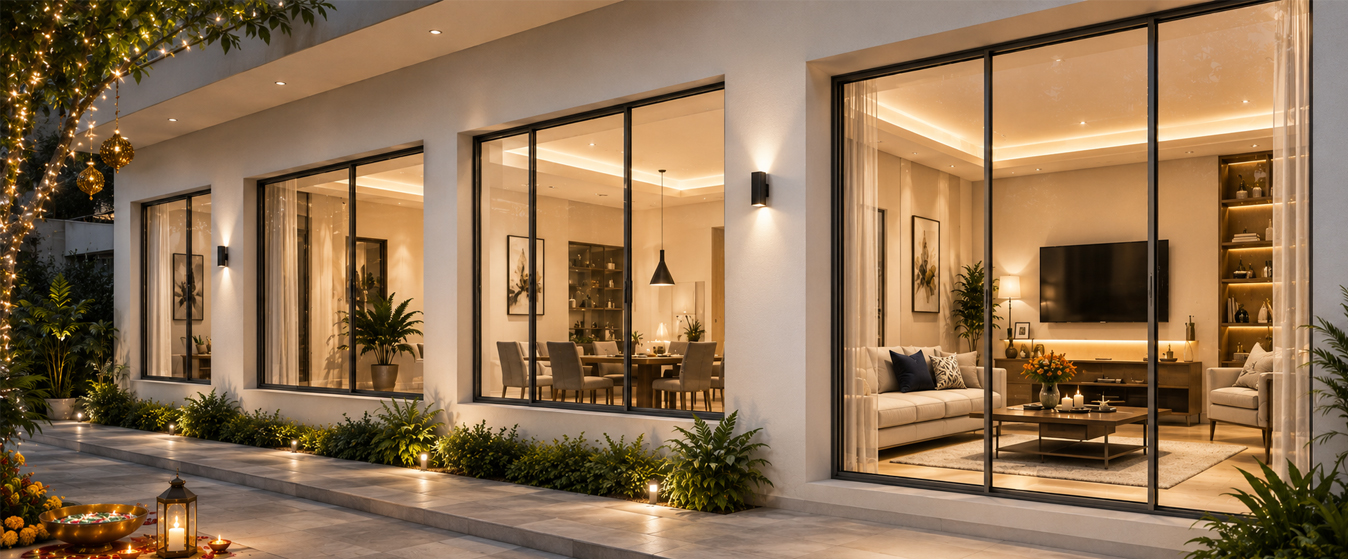
- 10 Premium Aluminium Window Designs to Upgrade Your Home This Festive Season


Related Posts
Bifold Doors vs Sliding Doors
Glass doors, whether bifold or sliding, are among the most common fixtures in contemporary homes and renovation projects. These doors were formerly only used in...

Why aluminium windows and doors are ideal for Indian homes
India’s harsh weather conditions, diverse landscapes, and unique functional needs call for careful consideration while selecting the materials to use in constructing your home. While...

How Can Aluminium Railings Withstand Harsh Weather Conditions?
Aluminium railings withstand rain, heat, humidity, and coastal air with ease. They offer low maintenance, modern design flexibility, and long-lasting performance for Indian homes and...
Maintaining and Caring for Your Sliding Doors: Tips for Longevity
Sliding doors are a great value addition to any property. They provide the perfect blend of contemporary design and functionality. Aluminium sliding doors let in...

Aluminium Sliding Doors for Your Dream Penthouse
If you value privacy, peace, and an abundance of open space, then a penthouse is the right living space for you. It is exclusive and...

Aluminium Window Design: How to Choose the Right Style, Profile, and Glass for Every Room
Find the right aluminium window design for each room with guidance on styles, aluminium profiles and glass types to improve light, ventilation and home comfort.