How Long Do Aluminium Doors Usually Last Compared to Other Door Materials?
July 15, 2026
A new door should be more than just a complement to your home’s design. It should be durable for years to come, even with everyday use and changing weather.
There are many door materials for homeowners to choose from today, including wood, steel, and aluminium. Each has its own advantages, but they differ significantly in wear, maintenance, and longevity.
So, how long do aluminium doors usually last? Are they a better long-term choice than traditional materials?
In this blog, we will compare the average lifespans of different door materials and explore why a high-quality aluminium door for the home offers lasting value, minimal maintenance, and dependable performance.
How Long Do Different Door Materials Usually Last?
All doors have different life expectancies. It is contingent upon the quality of the material, the manufacturing process, installation, weather conditions, and how well you maintain it.
Here’s a general comparison.
| Door Material | Average Lifespan | Maintenance Required |
| Aluminium | 30–45+ years | Low |
| Solid Wood | 20–40 years | High |
| Steel | 20–30 years | Moderate |
These numbers are only estimates. A well-made door that is installed correctly and maintained regularly can easily last longer. On the other hand, poor-quality materials or improper installation can reduce the lifespan of even the most expensive door.
That’s why it’s important to look beyond the purchase price. Think about how much time and money you’ll spend on maintenance over the years.
Pro Tip
Just because a door is cheaper doesn’t mean it is a good choice. A more durable and less demanding door can be more cost effective than a less expensive door that must be repaired or replaced on a regular basis.
Why Are Aluminium Doors Built to Last?
Aluminium door systems are a great choice for homeowners looking for a durable and contemporary door system. Unlike some traditional materials, aluminium does not require much maintenance and will retain its strength and appearance for decades.
Let’s try to find out why aluminium is a durable material.
1. Doesn’t Rust or Corrode Easily
The main advantage of aluminium is its self-protective property from corrosion.
Aluminium doesn’t rust when exposed to moisture. Rather, it creates a thin protective layer of oxide on its surface. This layer prevents further damage to the metal and guards it against rain, humidity and changing weather.
This makes aluminium an ideal material for use in homes that happen to be in heavy rain, high humidity or coastal regions.
2. Doesn’t Warp, Swell, or Crack
Weather changes can affect many traditional door materials.
During the monsoon, wooden doors take in moisture, and in hot, dry months they release it. moisture. Over time, the constant expansion and contraction can cause the door to warp, swell or crack.
Aluminium acts differently.
It is stable regardless of the temperature and humidity variations throughout the year. The door does not lose its original shape and functions smoothly for many years.
As a result, homeowners spend less time dealing with sticking doors or alignment issues.
3. Strong Yet Lightweight
Although aluminium is lightweight, it is incredibly strong.
A high strength-to-weight ratio helps manufacturers to produce structurally sound doors without adding weight. This helps to alleviate stress on hinges, rollers and other hardware, making them last longer.
Another benefit is flexibility of design.
Aluminium is strong and this makes it possible to make larger doors that have slimmer frames. It also lets more sunlight into your house while providing a clean and contemporary appearance.
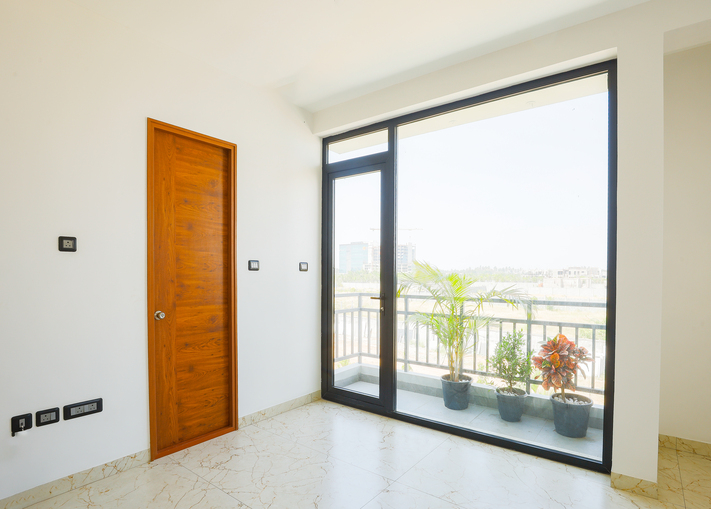
Aluminium door design is both functional and aesthetic, whether you’re opting for sliding doors, French doors or spacious balcony openings.
4. Powder-Coated Finishes Last for Years
Today’s good quality aluminium doors are offered with long-lasting powder coated finishes.
The powder coating is firmly attached to the aluminium surface. This makes it more resistant to:
- Peeling
- Chipping
- Fading
- Everyday scratches
The finish also ensures that the door will remain new and fresh for years, without needing to be repainted often.
Usually, routine cleaning on a soft cloth and mild soap will suffice to keep its appearance.
5. Low Maintenance Adds to Its Lifespan
Aluminium scores well here because it requires very little maintenance.
You don’t need to:
- Sand the surface regularly
- Repaint it every few years
- Worry about termite attacks
- Protect it from moisture damage
A simple cleaning routine and occasional inspection of the hardware are usually enough to keep aluminium door systems functioning smoothly.
Aluminium vs Wooden Doors
Wooden doors are always appreciated for their organic texture as well as classic style. They work well in a variety of architectural styles but require regular upkeep to keep them looking and functioning beautifully.
Wood pieces will swell when they are wet and shrink when they are dry. As time passes, these changes might cause the door to begin swelling, cracking or becoming hard to open and close. It is also more vulnerable to the attacks of termites and fungus if it is not treated.
Keeping a wooden door in good condition often involves:
- Periodic polishing or repainting
- Protection against moisture
- Termite inspections
- Timely repairs to surface damage
An aluminium door for a home doesn’t face these challenges. It remains stable through changing seasons and delivers consistent performance with minimal upkeep, making it a practical choice for everyday living.
Aluminium vs Steel Doors
Steel doors are well known for their strength and are commonly used where security is a priority. However, they require proper protection against moisture.
If the protective coating gets damaged, rust can develop over time. Steel doors are also heavier, which puts greater pressure on hinges and hardware during regular use.
Aluminium door systems offer a good balance of strength and ease of operation. Their lighter weight allows smooth movement while supporting large door sizes with slim frames. This combination makes aluminium suitable for entrance doors, balconies, patios, and other large openings.
Why Should Lifespan Be Part of Your Buying Decision?
Buying a door is a long-term investment. Looking beyond the initial price helps you make a better decision for your home.
A longer-lasting door can help you:
- Reduce maintenance costs
- Avoid frequent replacements
- Maintain its appearance for years
- Get better value from your investment
Final Thoughts
The material you choose plays a major role in how your door performs over the years. Compared to wood and steel, aluminium doors offer an excellent balance of durability, strength, and long-term value. With an average lifespan of 30 to 45 years or more, they continue to perform reliably with minimal maintenance.
If you’re planning to upgrade your home with high-quality aluminium doors, explore Alteza’s range of thoughtfully engineered solutions. From elegant designs to dependable performance, our doors are built to enhance modern living for years to come.
Frequently Asked Questions
Q1. What type of door lasts the longest?
A. Aluminium doors are among the longest-lasting door options. They typically last 30–45 years or more, resist corrosion, and require very little maintenance, making them a reliable choice for long-term use.
Q2. Are aluminium doors suitable for Indian weather?
A. Aluminium doors perform well in India’s diverse climate, including hot summers, heavy rainfall, humid conditions, and coastal regions. They retain their strength and appearance for many years.
Q3. How long do aluminium doors usually last?
A. High-quality aluminium doors usually last for several years. Proper installation and basic maintenance help maximise their lifespan and ensure smooth performance over time.
- Are Aluminium Doors Safe for Homes? Security Features to Look For: Locks, Glass, Frames
- Why choose Alteza Aluminium windows and doors? End-to-end service & 10 years of warranty
- 10 Best Roof Railing Design Ideas for a Modern & Royal Home

- 10 Premium Aluminium Window Designs to Upgrade Your Home This Festive Season
- 7 Things to Check Before Buying Aluminium Windows for Your Home


Related Posts

Why Should You Choose Aluminium Windows Over Traditional Options?
Discover why aluminium windows are better than wood, steel, or uPVC. They are strong, durable, and stylish, perfect for modern Indian homes. They also offer...
Enhancing Natural Light in Your Home with Aluminium Windows and Doors
Natural light plays a vital role in our day-to-day life. Its presence can brighten our day and add greatly to our home’s look and feel....

Why do architects trust Alteza Aluminium’s world-class aluminium windows and doors?
Although they don’t sound particularly glamorous, windows and doors are crucial for indoor comfort, security, and energy efficiency. They shield your loved ones and your...
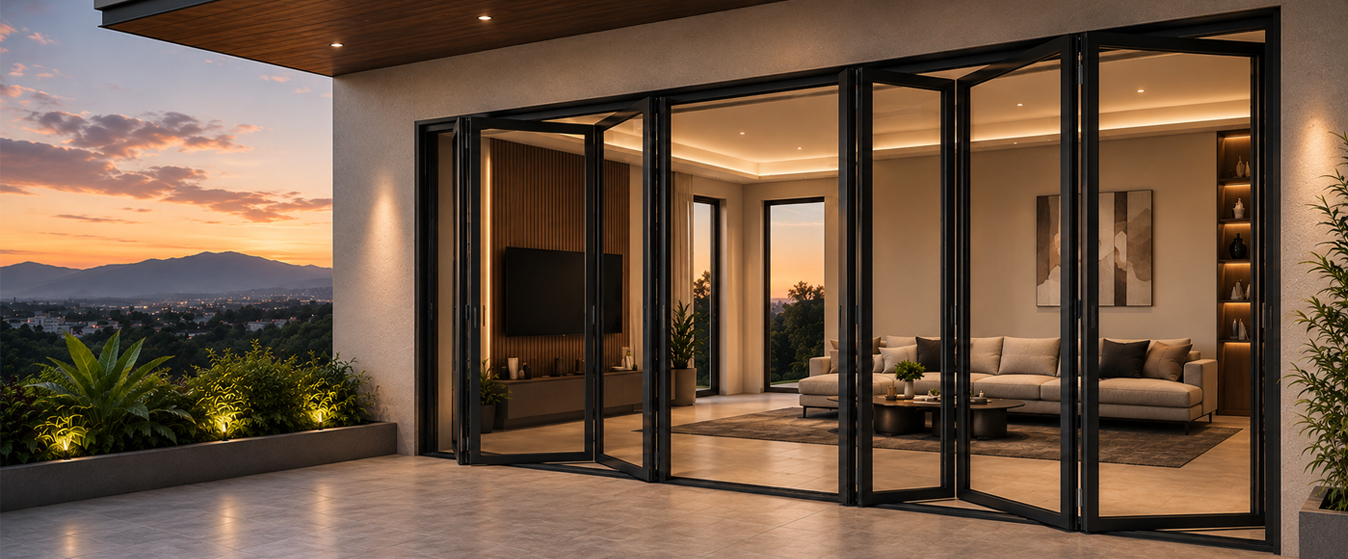
Looking for the Perfect Aluminium Doors? Explore Best Designs
A door can change the look and feel of a home. It affects how much natural light enters a space, how easily you connect indoor...

How to Choose Aluminium Window Systems Based on Room Type: Living Room, Bedroom & Kitchen
Learn how to choose aluminium window systems for living rooms, bedrooms, and kitchens based on light, ventilation, privacy, comfort, and everyday performance needs.

Why aluminium windows and doors are ideal for Indian homes
India’s harsh weather conditions, diverse landscapes, and unique functional needs call for careful consideration while selecting the materials to use in constructing your home. While...