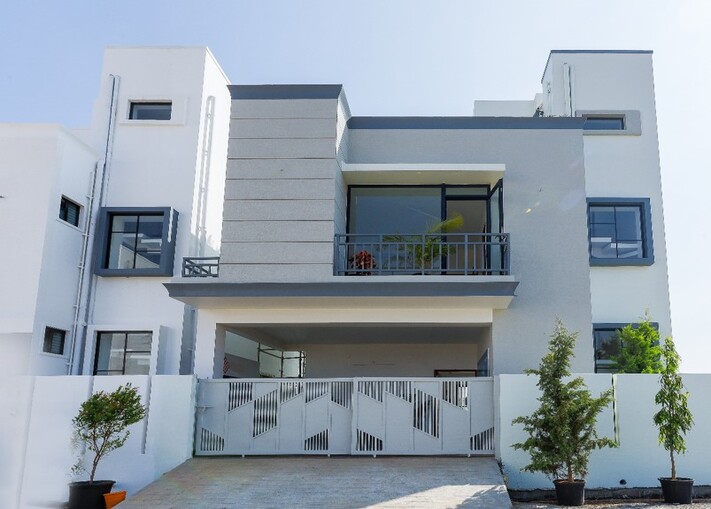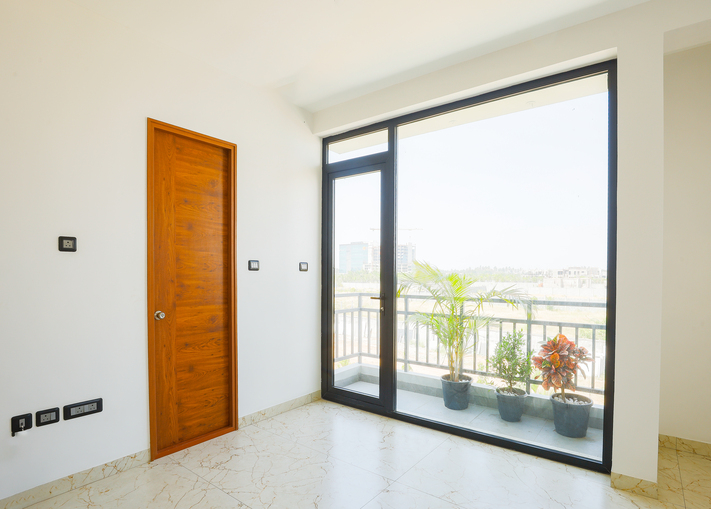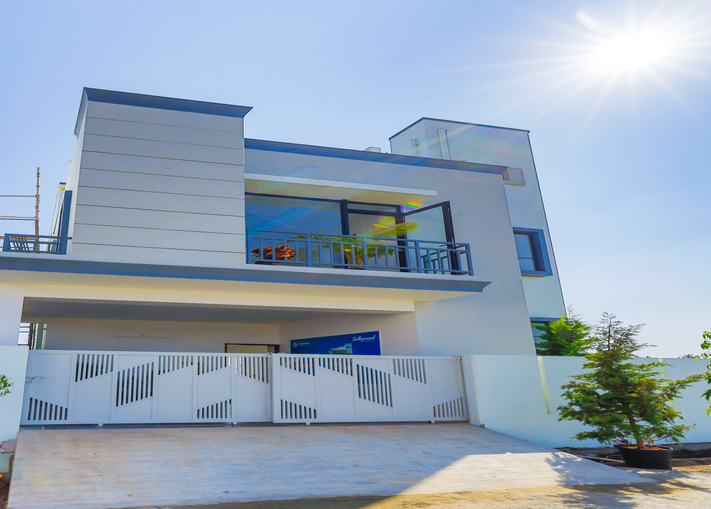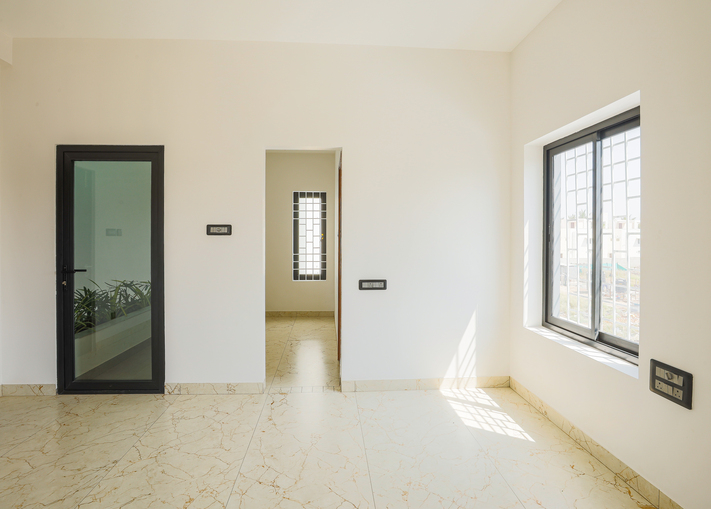

How Aluminium Ventilation Windows Improve Airflow and Indoor Comfort in Homes?
April 21, 2026
Modern homes don’t really fail in design. They fail in how they feel once you start living in them.
You walk into a new home, and everything looks perfect. Clean interiors, large glass panels, good lighting, and a modern layout. On paper, it all feels well planned. But after spending some time inside, you start noticing something off. Rooms feel slightly closed, air becomes heavier, and that fresh, open feeling doesn’t stay for long.
The real issue is not what you see, but what you breathe. Air inside the home is not moving enough. When airflow is weak, heat gets trapped, humidity builds up, and indoor freshness slowly reduces. Fans and air conditioners help only to a limit because they keep circulating the same indoor air instead of bringing in fresh air from outside.
This is where aluminium ventilation windows make a real difference. They help the home breathe in a more natural way by supporting steady airflow in and out of the space. With strong frames, slim profiles, and practical opening designs, they improve air movement without making things complicated.
In this blog, we will talk about how aluminium ventilation windows improve airflow and indoor comfort in homes.
What are Ventilation Windows?
Ventilation windows are designed with one clear purpose: air movement inside the home.
Unlike standard windows that focus mainly on outside view or daylight, these windows are built to improve airflow. They allow fresh air to enter, move through the room, and exit naturally.
In everyday use, the difference is easy to notice. A room doesn’t feel stagnant. Kitchens don’t hold smells for long. Bathrooms dry faster. Bedrooms feel lighter even without switching on cooling systems.
They are not about adding more openings. They are about making existing openings work better for airflow.
Key Aspects of Ventilation Windows
- Micro-ventilation: This is the ‘Locked Crack mode’. The window stays locked, but a tiny gap lets air flow so the room doesn’t get stuffy.
- Automatic Vents: These are ‘Smart Flaps’. They open and close by themselves to let air in or out, depending on how hot or cold it is.
How Airflow Works Inside a Home?
Airflow inside a home is not random. It follows pressure and temperature differences.
Warm air rises and tries to move out. Cooler air enters from another opening to replace it. This movement creates circulation inside the room. When this cycle continues smoothly, the indoor environment feels fresh and balanced.
But problems start when this path is blocked.
Sometimes windows are placed only on one side. Sometimes openings are too small. Sometimes furniture blocks movement. In such cases, air enters but does not exit properly. It stays trapped, and the room starts feeling heavy.
Good ventilation design solves this by creating a clear entry and exit route for air. That is where proper window systems become important.
Why Ventilation is Important in Indian Homes?
Indian weather conditions make ventilation even more important than many people realise.
In summer, heat builds up quickly inside closed rooms. In the monsoon, humidity rises, and moisture stays trapped. In urban areas, dust and pollution make indoor air feel stale.
When ventilation is poor, these conditions become more noticeable:
- Rooms feel warmer than the outside temperature
- Moist air lingers in corners
- Smells stay longer in kitchens and bathrooms
- Sleep quality reduces due to discomfort
- More reliance on air-conditioners
Good airflow changes this experience. It helps regulate temperature naturally, reduces humidity, and keeps indoor air moving. The home feels more comfortable without depending completely on cooling systems.
Why Aluminium is Used for Ventilation Windows?
Modern ventilation systems are dominated by the use of aluminium which is known to support strength and flexibility in ventilation systems.
A slim structure is one of the largest benefits of this. Thin frames imply more glass and more space between the opening. That directly enhances airflow without having to expand windows.
It can also do well in various weather conditions. It does not dilute in moisture, splinter in heat or deteriorate as time passes. This stability guarantees that windows will open smoothly over the years.
Maintenance is another crucial aspect. Aluminium does not need serious attention. Simple cleaning is sufficient to have it functional.
That is why many aluminium ventilators manufacturers choose aluminium systems as the models to design modern airflow oriented windows. It enables accuracy, stability and long-term functionality within a single material.
Types of Aluminium Ventilation Windows
1. Casement Windows
Casement windows open fully outward. This allows maximum air to enter the room.
When the wind flows outside, these windows catch it directly and push it inside. That creates strong natural ventilation. They are commonly used in bedrooms and living rooms where airflow is needed most.
The wide opening makes a clear difference in how quickly a room feels fresh.
2. Sliding Windows
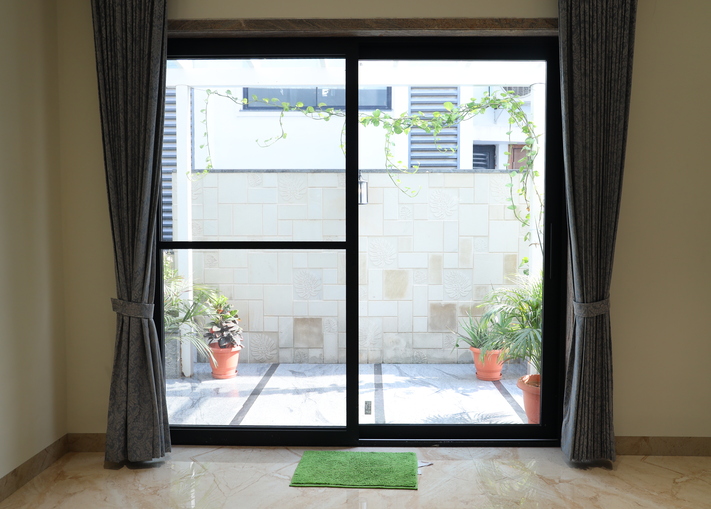
Sliding windows move horizontally along a track. They do not open fully, but they still allow steady airflow.
They are useful in spaces where a full opening is not possible. Kitchens, balconies, and compact rooms often use them.
The airflow here is more controlled and consistent, rather than strong bursts of air.
3. Tilt and Turn Windows
These windows offer two ways of opening.
In tilt mode, the top part opens slightly, allowing safe and controlled airflow. In turn mode, the entire window opens like a casement.
This flexibility makes them suitable for apartments and high-rise buildings where safety and ventilation both matter.
You can adjust airflow based on need, which makes them very practical.
4. Ventilator Windows
Ventilator windows are small and placed higher on the walls.
They are designed for continuous air movement. Even when the main windows are closed, they allow hot air to escape.
Bathrooms and kitchens benefit the most from them because moisture and heat naturally rise in those spaces.
They help maintain freshness without any effort.
Comparison of Aluminium Ventilation Window Types
| Window Type | Airflow Level | Best Use Area | Key Advantages |
| Casement | High | Bedrooms, Living rooms | Strong breeze intake, wide opening |
| Sliding | Medium | Kitchens, Balconies | Space-saving, steady airflow |
| Tilt & Turn | Medium-High | Apartments, Bedrooms | Flexible and safe ventilation |
| Ventilator | Low-Continous | Bathrooms, Utility Areas | Constant air release |
How Aluminium Ventilation Windows Improve Workflow?
Airflow improves through efficient design and wider opening capacity.
Aluminium ventilation windows allow controlled air movement with smooth and easy operation throughout the day.
Precision-engineered frames maintain alignment over time and ensure consistent performance without gaps or distortion.
In simple terms, the system supports steady and reliable natural airflow.
1. Enhanced Environmental Quality
Good ventilation improves indoor conditions by reducing heat build-up and maintaining fresh air circulation.
2. Improved Physical Well-being
Continuous airflow reduces discomfort and supports better focus by keeping the indoor environment comfortable.
3. Structural and Functional Efficiency
Strong aluminium frames maintain shape and smooth function over long use, ensuring reliable performance every day.
What is Cross Ventilation?
Cross ventilation happens when wind or air enters from one side of the room and exits from another.
This creates a continuous flow of fresh air inside the space. The room cools down naturally as air keeps moving.
Aluminium windows make this more effective because they follow flexible placement and larger openings on opposite sides of a room.
The result is faster air exchange and better comfort without mechanical cooling.
How Better Airflow Improves Indoor Comfort?
Comfort inside a home is closely linked to air quality.
When airflow is better:
- Rooms feel cooler naturally
- Humidity reduces over time
- Air feels lighter and fresher
- Odours do not stay trapped
- Dependence on AC reduces
It is not a dramatic change. It is a subtle improvement that builds up every day and changes how the home feels to live in.
Conclusion
Homes today need more than visual design. They require adequate ventilation to be whole.
The balance is achieved in an easy and simple manner with the assistance of aluminium ventilation windows. They ensure the natural flow of air, minimize indoor discomfort, and enhance the daily living experience without strain.
Modern window solutions are getting efficient and reliable with the help of highly developed systems by aluminium ventilator manufacturers. An aluminium ventilation frame constructed in proper way guarantees that this performance remains the same over the years.
When you want to upgrade your home or even find an improved way to have windows, you can consider Alteza as a premium quality aluminium window system, which is well-designed to take into consideration comfort, durability and the modern lifestyle.
Better airflow is not a luxury aspect at the end. It is what makes home a home.
FAQs
Q1. Do aluminium ventilation windows reduce outside noise as well?
A. Yes, quality aluminium ventilation windows reduce outside noise. Their ability depends on features like glazing (double or triple), airtight seals, and thick glass.
Q2. Can ventilation windows be used without compromising home security?
A. Yes, Modern hardware like lockable restrictors and tilt-and-turn windows lets you air out your home securely, even when windows are partially open.
Q3. How do ventilation windows impact energy consumption in homes?A. Ventilation windows improve natural airflow through cross-ventilation and the stack effect, reducing energy consumption.
- Double Glazing vs Single Glazing: Which Should You Choose for Aluminium Windows?
- Are Aluminium Doors Safe for Homes? Security Features to Look For: Locks, Glass, Frames
- Why choose Alteza Aluminium windows and doors? End-to-end service & 10 years of warranty

- 10 Best Roof Railing Design Ideas for a Modern & Royal Home

- 10 Premium Aluminium Window Designs to Upgrade Your Home This Festive Season


Related Posts
Why you should choose Alteza as your high performance windows option
Aluminium- often known as the green metal is an excellent building material choice for high performance windows and doors that come with quick and easy...

How to Choose the Right Sliding Door Design Based on Style, Material, and Size for Your Space?
Explore the expert guide for selecting the right sliding door design. Compare styles, materials, and sizes to achieve a modern, spacious, and energy-efficient home.
Top 10 Aluminium Door Designs for Modern Indian Homes
Discover the top Aluminium Door Designs for modern Indian homes. Explore stylish, durable, and low-maintenance doors perfect for balconies, bathrooms, and entrances.
Exploring the Different Styles of Glass Railing with Aluminium for Your Staircase
Stairways significantly enhance the appearance of the house. They add style and flair to your home which is why you must pay great attention to...

Aluminium sliding windows and their advantages
Why aluminium is the ideal choice for window frames Before we get into the features and advantages of aluminium sliding windows, let us take a...

The Advantages of Aluminium Doors for Home Security
Apart from the looks and functionality, security is a paramount concern for homeowners highlighting the need for stronger doors. As we strive to protect our...