
Aluminium Sliding Doors: A Complete Guide to Types, Sizes, and What Works Best for Indian Homes
May 5, 2026
There’s been a noticeable shift in how Indian homes are being planned today. Spaces feel more open. Layouts are less boxed-in. Natural light and ventilation are no longer good to have as they used to be.
But even with these changes, a few everyday challenges haven’t gone anywhere. Rooms still heat up quickly. Dust finds its way inside. Noise from outside seeps in, especially in cities. And in many homes, space is still limited.
This is exactly where aluminium sliding doors start to make sense. They aren’t just about how a home looks. They solve practical problems quietly, without demanding attention. Better airflow, more usable space, and a cleaner layout all come into play. Over time, they’ve moved from being a premium feature to a more practical, everyday choice.
What Are Aluminium Sliding Doors and How Do They Work?
At their core, aluminium sliding doors are quite straightforward. Instead of opening inward or outward, the panels move sideways along a track. That single change alters how a space functions.
The system includes a few key parts, like aluminium frames, glass panels, rollers, and tracks. The rollers allow the panels to glide smoothly, while the tracks guide the movement. Since there’s no swing involved, you don’t lose space around the door.
This becomes especially useful in compact homes or areas where furniture placement is tight. You don’t have to plan the layout around the door’s movement. It simply works within the space, making it a preferred option among modern aluminium doors.
Why Aluminium Works Better for Indian Conditions?
Material choice often gets overlooked, but it plays a major role in long-term performance. Aluminium stands out because it handles Indian conditions without much trouble.
It doesn’t warp when temperatures rise. It doesn’t crack with seasonal changes. In coastal areas, it resists corrosion. In cities, where pollution levels are high, it holds its finish without constant upkeep. That reliability matters.
There’s also the strength factor. Aluminium allows for slimmer frames while still supporting large glass panels. The result? More light, better views, and a cleaner visual line, which is a key part of modern aluminium sliding door design.
Another point worth noting is that aluminium lasts for years. It is recyclable, durable, and doesn’t need frequent replacements. When you look at it over time, it turns into a practical investment rather than just a design upgrade.
Key Benefits That Improve Everyday Living
Better Natural Light
Larger glass panels allow sunlight to travel deeper into the room, reducing the need for artificial lighting and making spaces feel more open.
Improved Ventilation
Wider openings help air circulate more effectively, especially during moderate weather when air conditioning isn’t required.
Space Efficiency
Since the doors slide instead of swinging, they don’t take up extra room—ideal for compact apartments.
Stronger Indoor-Outdoor Connection
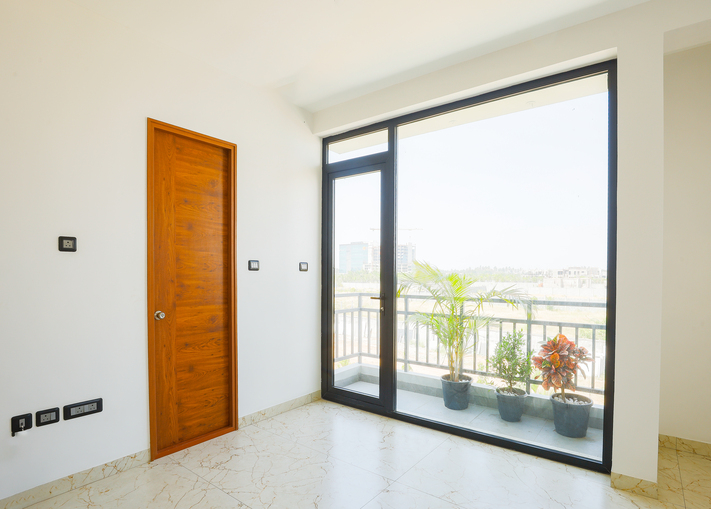
Balconies and terraces feel like a natural extension of the living space rather than a separate area.
Enhanced Indoor Comfort
With the right glass, heat transfer is controlled better and outside noise is reduced.
Types of Aluminium Sliding Doors (With Use Cases)
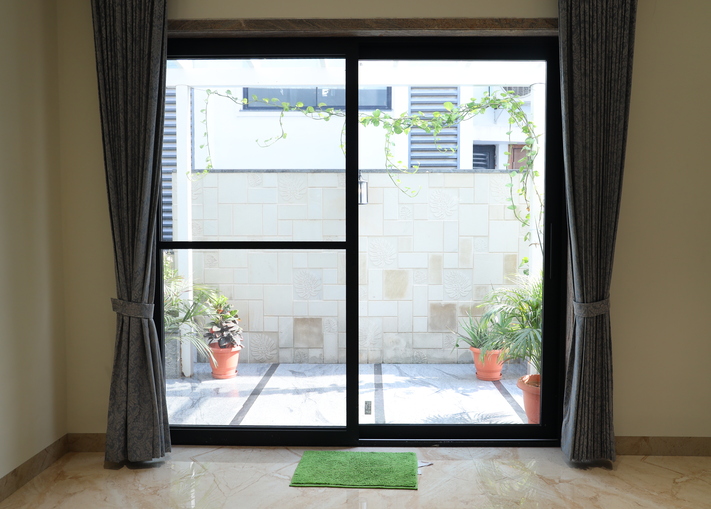
1. Two-Track Sliding Doors
Best suited for bedrooms and small balconies where space is limited and a simple solution works well.
2. Three-Track Sliding Doors
Allow a wider opening, making them ideal for living rooms and medium-sized balconies with better airflow.
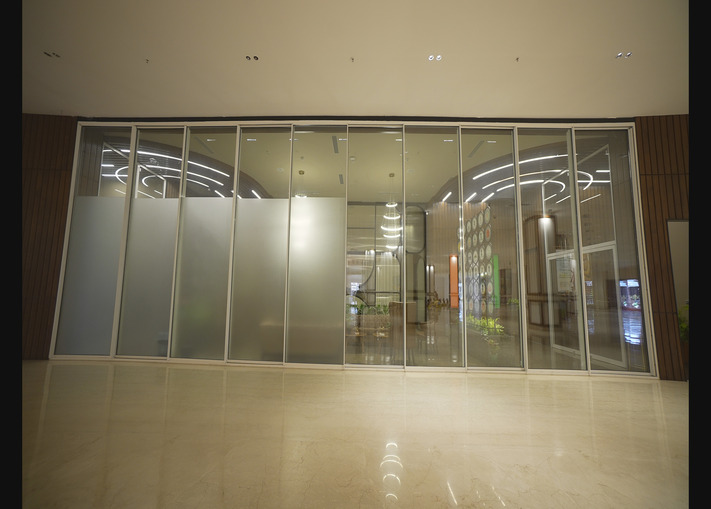
3. Multi-Panel Sliding Systems
Designed for large openings in villas or spacious homes where uninterrupted views are important.
4. Corner Sliding Doors
Open up two sides without a fixed corner, creating a seamless, panoramic effect in premium layouts.
5. Pocket Sliding Doors
Slide into a concealed wall cavity, offering a clean and minimal look, which is ideal for interiors.
6. Bifold Doors
Fold to one side, clearing most of the opening—useful for patios and spaces that need full access.
7. Full-Height Sliding Doors
Extend from floor to ceiling, maximizing light and adding a strong visual impact to modern homes.
Quick Comparison: Types of Sliding Doors and Where They Work Best
Each type solves a different need. What works in one space may not work in another, so the choice should always come down to how the area is used.
| Type of Sliding Door | Best For | Space Requirement | Opening Capacity | Key Advantage |
| Two-Track | Small balconies, bedrooms | Compact | 50% opening | Simple and efficient |
| Three-Track | Living rooms, medium balconies | Moderate | Up to 75% | Better ventilation |
| Multi-Panel | Villas, large openings | Large | High | Wide, uninterrupted views |
| Corner Sliding | Premium layouts | Large | Maximum | Panoramic design |
| Pocket Sliding | Interiors, compact spaces | Minimal visible space | Full opening | Hidden, clean look |
| Bifold | Patios, flexible spaces | Needs folding area | Near full opening | Complete access |
| Full-Height Sliding | Modern living spaces | Requires height | Depends on design | Maximum light |
Sizes, Configurations, and What Actually Matters
Size isn’t just about filling a gap, but it also affects how the door performs.
In most homes, sliding doors fall somewhere between 7 and 10 feet in height. Width depends on the number of panels and the size of the opening. While larger panels look appealing, they need to be balanced with ease of use and structural safety.
Track configuration also matters. More tracks allow a wider opening, but they require better alignment and precision during installation.
Glass thickness plays a key role too. Thicker glass improves safety and helps with insulation and sound control. It also adds to the overall stability of the system.
Custom sizes are common, especially when working with an experienced aluminium sliding doors manufacturer who can ensure proper balance between design and performance.
Where Aluminium Sliding Doors Work Best in Indian Homes?
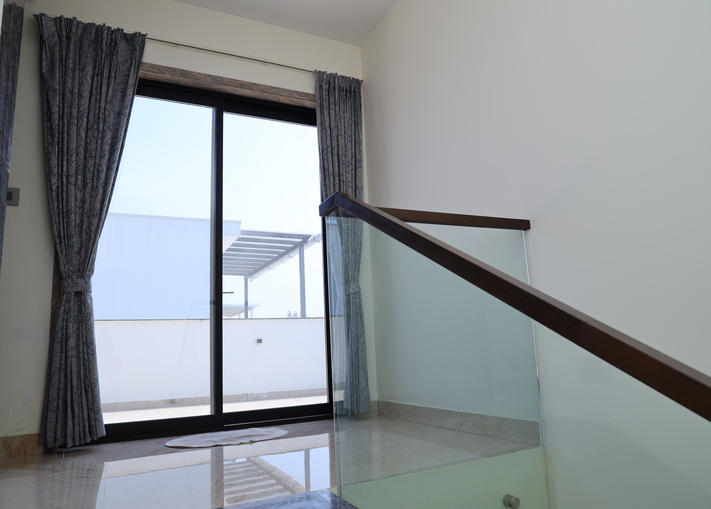
Balconies are the most obvious fit. Aluminium sliding doors create a clean transition while keeping the space functional.
Living rooms connected to terraces or gardens benefit even more. The space feels larger, and the connection to the outside becomes seamless.
Bedrooms also gain from better light and airflow without sacrificing usable space.
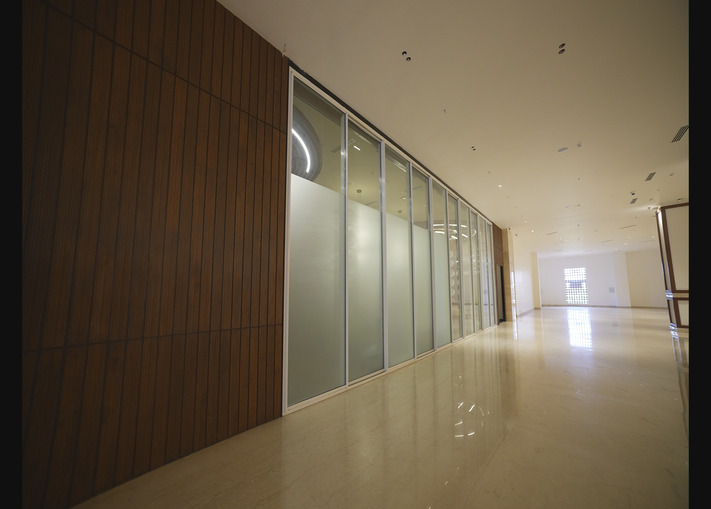
They are increasingly used inside homes as well, for partitions that can open up or close off areas as needed. This adds flexibility without making the layout feel rigid.
That said, not every space needs a sliding door. The decision should always be based on function, not just aesthetics.
Performance Factors That Are Often Overlooked
Design tends to get the most attention, but performance is what holds everything together over time.
Wind resistance becomes important in taller buildings. A good system stays stable even when wind pressure increases.
Water tightness is critical during heavy rains. Poor sealing can lead to leakage, which becomes a long-term issue.
Air sealing helps keep dust and pollution out, something most urban homes struggle with.
Noise reduction is another factor. With proper sealing and the right glass, outside noise can be reduced significantly.
These aren’t always visible features, but they make a noticeable difference in everyday comfort.
What Influences Cost in India?
The cost of aluminium sliding doors can vary quite a bit.
Size and configuration are the main factors. Larger systems with more panels naturally cost more.
Glass type also plays a role. Laminated or double-glazed options add to the cost but improve performance.
Hardware quality matters more than it seems. Smooth movement depends on good rollers, tracks, and locking systems.
Frame thickness and finish affect durability and appearance. Better finishes tend to last longer with less maintenance.
Installation is just as important. Even a well-designed system won’t perform properly if it isn’t installed correctly.
Going for the cheapest option usually leads to higher costs later—repairs, replacements, and ongoing issues.
Choosing the Right Sliding Door for Your Home
The right aluminium sliding doors depend on the size of the space, how often they’ll be used, and how exposed they are to weather conditions. Budget matters, of course, but it shouldn’t come at the cost of quality.
A well-built system with reliable hardware and proper installation will always perform better in the long run.
Maintenance and Long-Term Performance
Maintenance is simple, but it does need consistency.
Tracks should be cleaned regularly to prevent dust from building up. This keeps the movement smooth. Frames and glass can be wiped down with mild cleaning solutions to maintain their appearance.
Rollers benefit from occasional lubrication. It helps avoid stiffness over time. Seals should also be checked once in a while to ensure they’re still effective.
With basic care, aluminium doors continue to perform well for years without much effort.
Final Thoughts
Aluminium sliding doors have become a practical part of modern Indian homes because they strike a balance between design and function. They bring in more light, improve ventilation, and make better use of available space, while keeping the overall look clean and minimal.
Choosing the right system, however, requires attention to detail. Type, size, performance, and installation all play a role in how well it works over time.
For homeowners looking to invest in reliable aluminium sliding doors, Alteza offers systems designed to handle Indian conditions while maintaining a refined, modern finish.
FAQs
Q1. Are aluminium sliding doors safe for homes with children?
A. Yes, with toughened/laminated glass and proper locking systems, aluminium sliding doors are safe for homes.
Q2. Do aluminium sliding doors keep mosquitoes out?
A. Yes, but only when they are combined with mesh for protection.
Q3. Can they be installed in existing homes?
A. Yes, aluminium sliding doors can be installed on an existing home with minor adjustments to the opening if required.
- Benefits of Aluminium Casement Doors for Residential and Commercial Spaces
- Why Aluminium Sliding Doors Are the Smartest Upgrade for Modern Homes
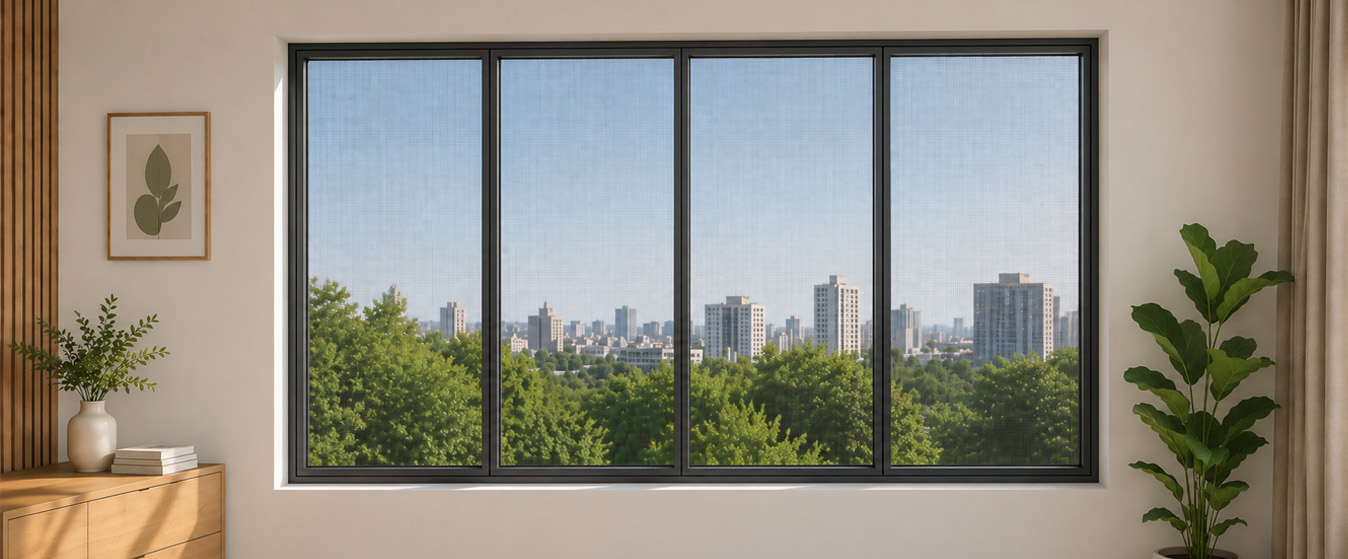
- Upgrade Your Home with Aluminium Windows and Mosquito Nets
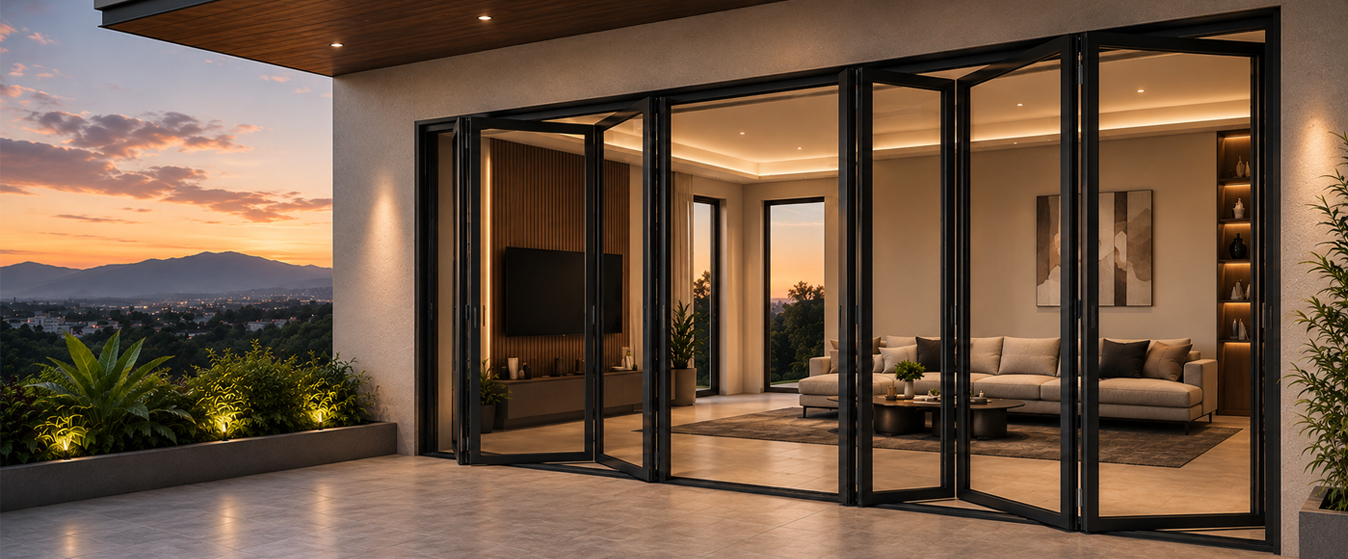
- Looking for the Perfect Aluminium Doors? Explore Best Designs
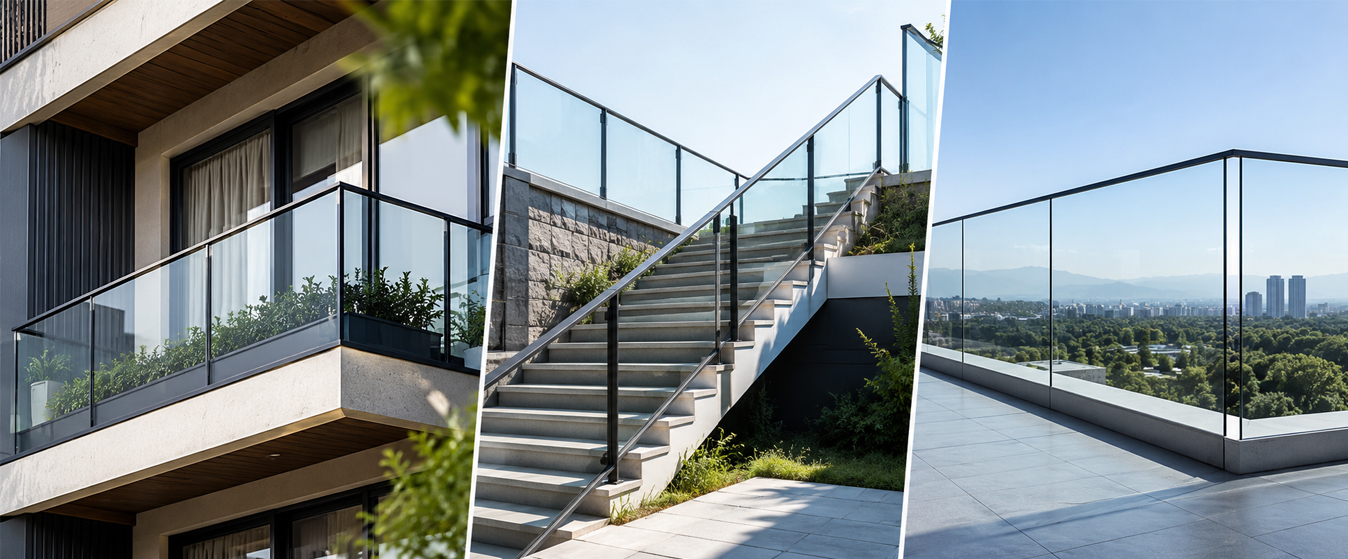
- 10 Modern Aluminium Glass Railing Designs for Balconies, Staircases & Terraces (2026 Guide)
Related Posts
What are single and double glazed aluminium windows?
Aluminium windows are becoming increasingly popular among architects, designers and homeowners as they contribute significantly to energy efficiency and are relatively easier to clean and...

How to Choose the Right Modern Balcony Railing Design for Your Home?
Discover expert tips for choosing a modern balcony railing design that blends safety, style, and durability to boost your home’s beauty and value.

Mosquito mesh for slide-and-fold doors: check these useful insights
Slide-and-fold doors have become a defining feature of modern Indian homes. Their ability to create wide, open spaces that blend indoor and outdoor living has...

How to brighten a dark room? From installing aluminium sliding doors to opting for lighter colored furniture pieces – check these insights
Dark rooms often look dull and dreary. By brightening a dark room, you can make it appear larger and more cheerful. By adding natural light,...

Different types of aluminium windows available
Today, more than ever before, you have a wide range of window types to choose from. With the option of customization available to you, your...

Upgrade your living space: install modern aluminium windows, doors, new flooring , and more ideas
Your living space is more than just a place to reside; it’s a reflection of your personal taste and a space for relaxation and enjoyment....